Traumatic Brain Injury from Motorcycle Accidents: Mechanisms, Diagnosis, and Treatment Approaches
By Dr. Ellia Ciammaichella, DO, JD, Triple Board-Certified
Quick Insights
Traumatic brain injury from motorcycle accident Reno involves sudden head trauma causing brain dysfunction. Immediate medical evaluation is vital, and legal analysis often centers on linking the high-impact mechanism to lasting impairment.
Key Takeaways
- Most TBI cases in motorcycle crashes stem from forceful head contact or rapid deceleration.
- Helmet use can reduce risk of brain injury by up to 74%, as studies show.
- Causation reports rely on understanding both injury patterns and state-specific legal standards.
- Dr. Ciammaichella serves TX, CA, NV, UT, CO, and more—enabling multistate medico-legal reviews.
Why It Matters
For attorneys, accurately connecting a traumatic brain injury from motorcycle accident to the incident is crucial for defensible legal outcomes. Current research highlights that reliable, evidence-backed causation analysis helps address common pain points in litigation and supports timely, objective case decisions.
Introduction
As a physician and attorney with triple board certification, I have evaluated countless cases of traumatic brain injury from motorcycle accidents—each presenting unique clinical and legal challenges. Learn more about Dr. Ellia Ciammaichella’s dual qualifications as a DO and JD and the unique perspective this brings to both medical and legal cases.
Traumatic brain injury from a motorcycle accident is a disruption in normal brain function caused by a direct blow or rapid acceleration-deceleration event during a motorcycle crash. Clinically, this can range from a mild concussion (brief alteration of consciousness) to severe, life-altering deficits.
For the attorney, the ramifications are insurmountable; accurate assessment and documentation of injury severity form the backbone of defensible legal claims, while patients and families must navigate complex health and functional consequences.
Dual training in medicine and law provides a distinctive advantage; my evaluations for both litigants and insurers intertwine objective diagnostic findings, functional estimates, and precise legal causation standards. According to recent observational research, over 70% of cases involve moderate or severe head trauma, with men aged 35 most represented.
Clear, comprehensive medical evidence—documented with future litigation in mind—can determine the entire course of a TBI case.
Understanding TBI in Motorcycle Accidents
A traumatic brain injury from a motorcycle accident is a disruption of normal brain function caused by a direct blow to the head or rapid acceleration-deceleration forces during a crash. This can result in a spectrum of clinical presentations, from mild concussion to severe, life-altering deficits.
Definition and Epidemiology
In my dual role as a physician and attorney, I have seen that the epidemiology of traumatic brain injury from motorcycle accidents is shaped by demographic and behavioral factors.
Recent research demonstrates that among 1,000 motorcycle crash victims with head injuries, 38.4% were riders and 61.6% were pillion passengers, with a mean age of 34.6 years and 74.4% being male. Alcohol use was present in 21.7% of cases, and only 19% wore helmets at the time of injury.
These statistics underscore the importance of targeted prevention strategies. In my experience, the low rate of helmet use and high prevalence of alcohol consumption are persistent challenges in both clinical management and legal causation analysis.
Helmet Use, Alcohol, and Risk Factors
Helmet use is the single most effective protective measure against severe brain injury in motorcycle crashes. Research shows that quality helmets reduce the risk of death by over six times and the risk of brain injury by up to 74%.
Extensive outcome data confirm this significant reduction. Alcohol intoxication, on the other hand, significantly increases the likelihood of high-impact trauma and worsens outcomes.
From my perspective, the interplay of these risk factors must be carefully documented in medico-legal reports. Attorneys often require a clear delineation of how helmet use or intoxication contributed to the injury mechanism and subsequent impairment.
Based on treating hundreds of individuals involved in these accidents, I have found that even seemingly minor violations—such as improper helmet fit—can influence the severity of brain injury, a detail frequently overlooked in standard legal reviews.
Mechanisms of Injury and Legal Causation
High-impact trauma in motorcycle accidents causes traumatic brain injury through direct blows, rapid deceleration, or rotational forces, leading to brain tissue damage. Legal causation is established by linking the mechanism of injury to the clinical findings and functional deficits.
High-Impact Trauma and Brain Injury Link
The mechanism of injury in motorcycle accidents typically involves high-velocity impacts, ejection from the vehicle, or direct collision with stationary objects. These forces can result in skull fractures, contusions, subdural hematomas (bleeding beneath the brain’s outer covering), and diffuse axonal injury (widespread shearing of nerve fibers).
In my practice, I have observed that the severity and pattern of brain injury often correlate directly with the nature of the impact. For example, rotational forces are more likely to cause diffuse axonal injury, which is associated with a poor prognosis.
Research confirms that common injury mechanisms—such as rapid deceleration and rotational acceleration—are central to both clinical outcomes and legal causality. A comprehensive analysis of injury types supports this link.
Clinical observation statement: In my extensive experience evaluating individuals with spinal cord and brain injuries, I’ve found that detailed functional assessments are crucial for accurately delineating damages, which can be particularly relevant in legal contexts.
Detailed functional assessments can offer insights into the impact of high-impact trauma, complementing findings from imaging studies.
Proving Causation: Medical-Legal Standards
Establishing legal causation requires a systematic approach. I rely on objective clinical findings, imaging results, and a detailed account of the accident to construct a causation narrative.
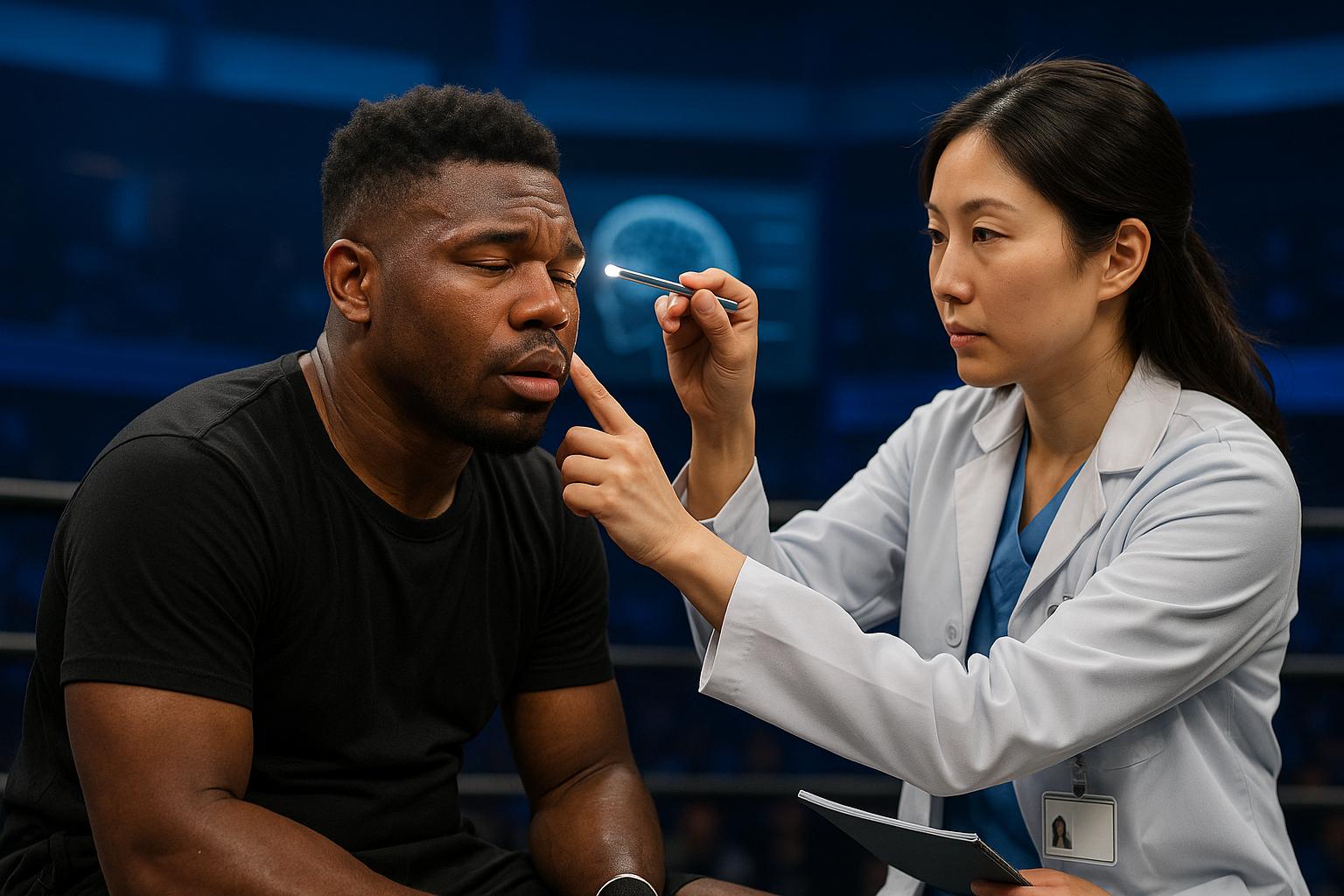
National guidelines recommend timely evaluation, monitoring of vital signs, and Glasgow Coma Scale (GCS) assessment for all suspected TBI cases. Current clinical protocols emphasize the necessity of fast, guideline-based triage.
With extensive experience in both medical and legal fields, I aim to translate complex medical findings into documentation that outlines functional limitations for legal teams.
While some practitioners focus on listing diagnoses, I prioritize comprehensive functional assessments to better understand how documented injuries may translate to real-world limitations and needs.
In my experience, the most defensible causation opinions are those that clearly connect the mechanism of injury to the observed deficits, while accounting for pre-existing conditions and contributory factors. This approach ensures that my reports withstand scrutiny in both deposition and trial settings.
Injury Patterns, Severity, and Outcomes
The most common injury patterns include skull fractures, subdural hematomas, and diffuse axonal injury. Severity is graded using clinical scales and imaging, while outcomes depend on injury type, timely intervention, and rehabilitation.
Severity Grading and Imaging
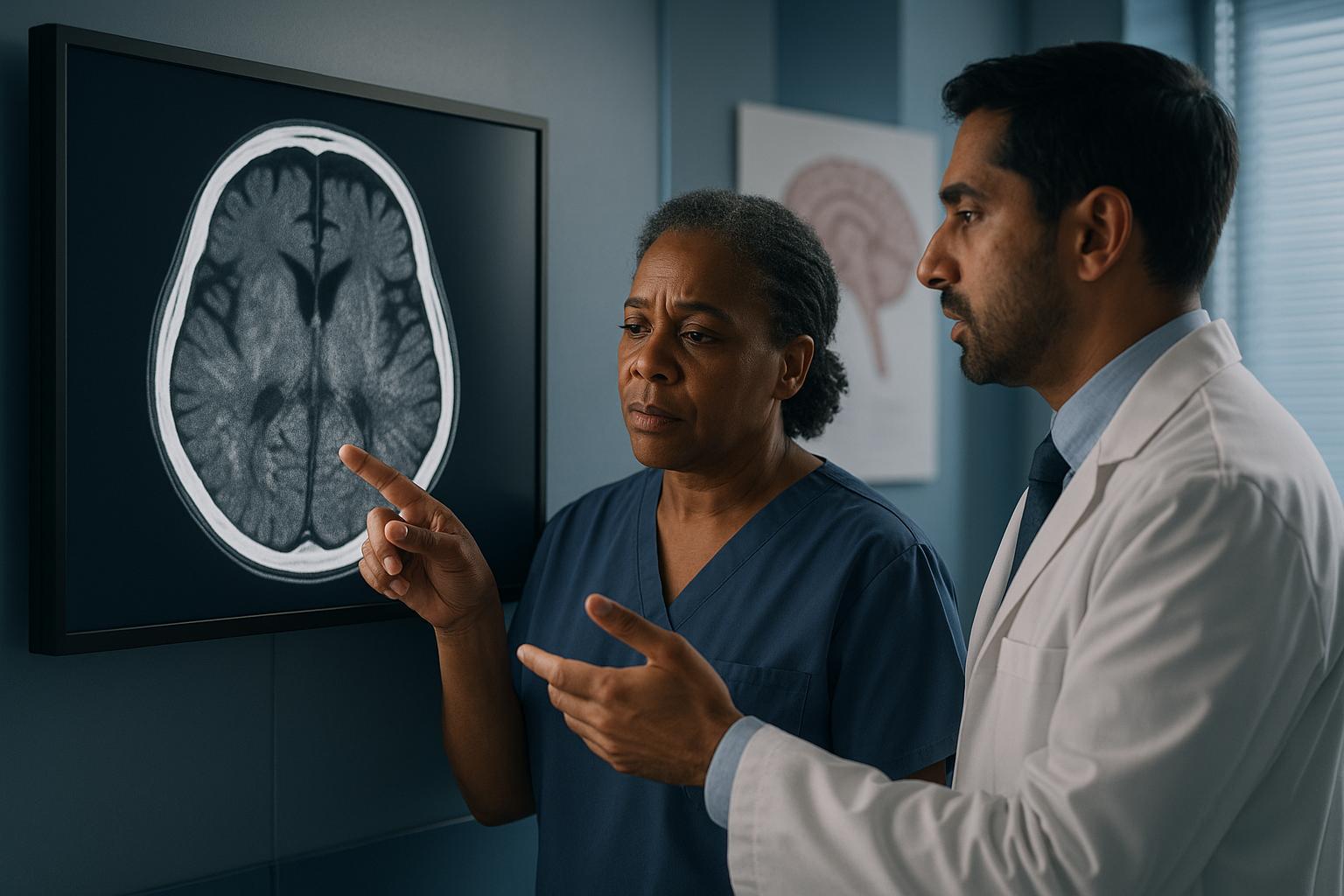
The severity of traumatic brain injury is typically classified as mild, moderate, or severe based on the Glasgow Coma Scale and neuroimaging findings. In my evaluations, I use both clinical assessment and advanced imaging to determine the extent of injury.
Standardized grading protocols are essential for consistency in both clinical management and legal testimony.
Most motorcycle accident-related TBIs are mild to moderate, with 70.3% managed conservatively. However, severe cases often require surgical intervention and carry a higher risk of long-term disability. In cases where litigation involves the degree of impairment, I aim to correlate imaging findings with reported functional deficits, recognizing that such correlations can be complex.
Common Complications
Complications following TBI can include intracranial bleeding, seizures, cognitive deficits, and neurobehavioral changes. I have found that early identification and management of these complications are critical for optimizing outcomes.
Enhanced protective measures, such as stricter helmet enforcement, have been shown to reduce the incidence and severity of these complications. Recent studies reinforce these findings.
Through extensive experience with spinal cord injury cases, I’ve observed that accurate functional assessment and documentation can be valuable for both plaintiffs seeking fair compensation and defendants requiring objective analysis.
A balanced approach to tracking complications aims to maintain objectivity and withstand cross-examination.
Seek immediate evaluation by a physician if there is loss of consciousness, persistent confusion, or focal neurological deficits (such as weakness or speech changes) after a motorcycle accident.
Prognosis and Rehabilitation Insights
Recovery after traumatic brain injury depends on injury severity, patient engagement in rehabilitation, comorbidities, and time to therapy initiation. Comprehensive rehabilitation is essential for maximizing functional outcomes.
Recovery Pathways and Outcome Predictors
In my experience, early and intensive rehabilitation is associated with better functional recovery. Prognosis is influenced by the initial mechanism of injury, the presence of comorbidities, and the patient’s level of engagement in therapy. Meta-analysis data also support that strong rehabilitation involvement correlates with more favorable outcomes and greater independence.
While some experts focus on medical stabilization, a neurorehabilitation approach that includes customized therapy and ongoing functional measurements can inform medical care and may assist in damage estimates for legal cases.
Rehabilitation Approaches and Access
Rehabilitation for motorcycle TBI includes physical, occupational, and speech therapy, as well as neuropsychological support. I emphasize a multidisciplinary approach tailored to the individual’s deficits and goals.
Research highlights that timely access to rehabilitation services improves both short- and long-term outcomes. Predictor studies identify patient engagement, comorbidities, and time to therapy as crucial variables in TBI recovery.
In my dual role, I ensure that rehabilitation recommendations are clearly documented for both clinical and legal purposes, supporting accurate damage assessment and future care planning. When I work with attorneys, I frequently provide clarification on the nuances of rehabilitation necessity versus what is customary in regional or national standards.
With experience in both medical and legal fields, I aim to oversee recovery and provide future care recommendations based on outcome tracking.
Expert Witness and IME Services for Brain Injury Cases
An IME provides an objective, evidence-based assessment of injury, causation, and prognosis, supporting legal claims with defensible medical opinions.
IME Process in Multistate Practice
I provide comprehensive case reviews and IMEs across multiple states, analyzing medical records, imaging, and accident details to offer expert opinions on causation, standard of care, and prognosis. Current clinical standards stress the role of standardized methods for IMEs.
My process includes a thorough review of all available evidence, direct examination when possible, and clear, accessible reporting for attorneys and insurers. From my dual-qualified perspective, I am adept at translating complex neuromedical findings into language that serves the needs of both litigants and legal counsel.
With extensive experience in both medical and legal fields, I aim to translate complex medical findings into documentation that outlines functional limitations for legal teams.
Expert Testimony: Standards and Strategy
My testimony is grounded in national clinical guidelines and current research, ensuring that opinions are both scientifically valid and legally defensible. I am equally comfortable supporting defense or plaintiff teams, always maintaining objectivity and clarity. National IME and clinical guidelines directly inform my causation standards and testimony strategy.
While some medical experts focus solely on diagnosis, my approach emphasizes comprehensive functional assessment that provides all parties—physicians, attorneys, and litigants—with clear, accessible documentation of impairments. This ensures that both legal and medical questions are addressed thoroughly within my expert reports.
For comprehensive insight into both medical assessment and legal applications—including IME and expert witness services on traumatic brain injury from motorcycle accident—explore Dr. Ellia Ciammaichella’s medical-legal services.
Why Choose Dr. Ellia Ciammaichella—Medico-Legal Value
As a triple board-certified physiatrist and attorney, I offer a unique perspective that bridges clinical expertise and legal acumen. My dual qualifications enable me to translate complex medical findings into clear, actionable legal opinions. I have provided expert consulting for both plaintiffs and defendants, always focusing on objective, evidence-based analysis.
In my practice, my team and I ensure that both medical details and legal standards are meticulously addressed. My credentials help attorneys and insurers alike receive documentation that stands up to intense legal scrutiny—whether for causation analysis, future care planning, or comprehensive damage assessment.
My approach benefits attorneys seeking reliable causation analysis, thorough damage assessment, and clear communication of medical concepts. I am committed to supporting fair and timely resolution of TBI cases, whether through IME, expert witness testimony, or comprehensive case review.
My Approach to Patient Care and Medico-Legal Expertise
Patient care in cases of traumatic brain injury from motorcycle accidents demands a rigorous, evidence-based approach that integrates both clinical and legal perspectives. My dual qualifications as a physician and attorney, combined with triple board certification in Physical Medicine & Rehabilitation, Spinal Cord Injury Medicine, and Brain Injury Medicine, uniquely position me to address the complex needs of both litigants and legal professionals.
In my practice, I emphasize meticulous documentation, objective functional assessment, and strict adherence to national clinical guidelines. This ensures that every evaluation—whether for treatment or independent medical examination—meets the highest standards of accuracy and defensibility.
My experience spans hundreds of cases, allowing me to provide nuanced causation analysis and future care recommendations that withstand legal scrutiny.
I am committed to advancing the standard of care for individuals affected by high-impact trauma, while also supporting attorneys and insurers with clear, actionable medical opinions. My approach is grounded in current research, professional integrity, and a dedication to fair, timely resolution of complex TBI cases.
For those seeking a comprehensive, dual-perspective evaluation, my practice offers a rare combination of clinical acumen and legal insight that is difficult to find elsewhere.
Traumatic Brain Injury from Motorcycle Accident: Reno-Based Expertise with Multi-State Reach
As a physician based in Reno, I recognize the unique challenges that traumatic brain injury from a motorcycle accident presents to my local community. The region’s active motorcycling culture, combined with variable helmet use and diverse road conditions, contributes to a distinct pattern of high-impact trauma cases requiring specialized assessment.
My Reno-based practice serves as a central hub for both medical evaluation and legal consulting, offering in-person and telemedicine services to attorneys, claims adjusters, and litigants throughout Nevada and beyond. With licensure in Texas, California, Colorado, and several additional states, I am able to provide expert witness testimony and independent medical examinations across a broad geographic area, while maintaining a strong local presence.
Regional legal standards and healthcare infrastructure can significantly influence both the causation analysis and rehabilitation pathways for TBI cases. My familiarity with Nevada’s legal environment, as well as multi-state jurisdictional nuances, allows me to deliver tailored, defensible opinions that address the specific needs of Reno-area clients and those in neighboring states.
If you are an attorney, physician, or litigant in Reno or the surrounding region seeking authoritative guidance on traumatic brain injury from motorcycle accident, I invite you to connect with my practice for a virtual second opinion or to request an IME consultation. My commitment is to provide clarity, objectivity, and actionable recommendations—locally and across all licensed states.
Conclusion
A traumatic brain injury from a motorcycle accident is a disruption of normal brain function caused by high-impact trauma, often resulting in complex medical and legal challenges. In summary, timely medical evaluation, comprehensive documentation, and a clear causation narrative are essential for both optimal recovery and defensible legal outcomes.
My dual qualifications as a triple board-certified physician and attorney enable me to bridge clinical management with precise legal analysis, ensuring that every case receives a thorough, objective assessment.
Based in Reno, I provide specialized services across multiple states, including Texas, California, and Colorado, as well as others, through both telemedicine and in-person consultations. I am willing to travel as an expert witness, offering flexibility that benefits litigants and attorneys managing complex, multi-jurisdictional cases.
To conclude, proper care and documentation not only support medical recovery but also strengthen legal claims. I encourage you to schedule a consultation to discuss your case and secure the best possible medical outcome, as well as ensure your legal documentation is comprehensive and defensible. Prompt action can make a critical difference in both health and litigation, providing peace of mind during challenging times.
This article is for educational purposes only and should not be used as a substitute for professional medical advice, diagnosis, or treatment. Always seek the advice of your physician or other qualified healthcare provider with any questions you may have regarding a medical condition or treatment options. Never disregard professional medical advice or delay in seeking it because of something you have read in this article.
Frequently Asked Questions
What is a traumatic brain injury from a motorcycle accident, and how is it evaluated?
A traumatic brain injury from a motorcycle accident is a disruption of brain function due to direct impact or rapid movement of the head during a crash. Evaluation includes clinical assessment, imaging, and standardized scales to determine severity. Accurate documentation is crucial for both medical management and legal proceedings, as it establishes the link between injury and functional impairment.
How can I access your expertise if I am not located in Reno?
You can access my specialized traumatic brain injury services through telemedicine consultations in all states where I am licensed, including Texas, California, and Colorado. I also travel for in-person evaluations and expert witness testimony when needed. This multi-state practice model ensures that individuals and attorneys across the country receive consistent, high-level care and analysis.
How does your dual medical and legal background benefit attorneys handling TBI cases?
My combined experience as a physician and attorney allows me to deliver objective, evidence-based causation analysis and detailed functional assessments. This approach ensures that legal teams receive clear, defensible reports that meet both clinical and jurisdictional standards, supporting fair and timely resolution of complex traumatic brain injury claims.
About the Author
Dr. Ellia Ciammaichella, DO, JD, is a triple board-certified physician specializing in Physical Medicine & Rehabilitation, Spinal Cord Injury Medicine, and Brain Injury Medicine. With dual degrees in medicine and law, she offers a rare, multidisciplinary perspective that bridges clinical care and medico-legal expertise. Dr. Ciammaichella helps individuals recover from spinal cord injuries, traumatic brain injuries, and strokes—supporting not just physical rehabilitation but also the emotional and cognitive challenges of life after neurological trauma. As a respected independent medical examiner (IME) and expert witness, she is known for thorough, ethical evaluations and clear, courtroom-ready testimony. Through her writing, she advocates for patient-centered care, disability equity, and informed decision-making in both medical and legal settings.
Medical Expert Services
Dr. Ciammaichella provides expert medical consulting for attorneys handling complex injury cases: