Spinal Cord Injury Prognosis: Understanding Recovery Expectations and Long-Term Outcomes
By Dr Ellia Ciammaichella, DO, JD, Triple Board-Certified (PM&R, Spinal Cord Injury Medicine, Brain Injury Medicine)
Quick Insights
SCI prognosis is the expected level of function and long-term outcomes after a spinal cord injury, shaped by injury details and rehab response. Attorneys should weigh both medical facts and legal implications for life care planning.
Key Takeaways
- Fewer than 1% of SCI patients achieve full neurologic recovery at hospital discharge.
- Early, intensive rehabilitation may enhance mobility outcomes after SCI.
- Disability forecasts must consider costs—annual SCI care can exceed $716 million nationally.
- Licensed support spans Nevada, Texas, and eight other states for comprehensive case review.
Why It Matters
SCI prognosis directly shapes life care plan evidence and defensible expert opinions. For attorneys needing reliable documentation, research indicates early rehab interventions and detailed disability forecasts are essential to build strong, court-ready cases and address long-term client needs.
Introduction
As both a Doctor of Osteopathic Medicine and Juris Doctor (DO/JD), I occupy a rare intersection—where the precise science of spinal cord injury medicine meets the evidentiary demands of legal proceedings.
SCI prognosis is the anticipated level of function and recovery following a spinal cord injury; it defines not only what is medically possible but also what must be proven for defensible life care plans and accurate disability forecasts.
For litigants and their counsel, understanding SCI prognosis means navigating a landscape shaped by both clinical realities and legal standards, where objective documentation underpins every claim and counterclaim.
Having performed comprehensive case reviews for both plaintiffs and defendants, I recognize that clear, research-backed medical evidence is indispensable.
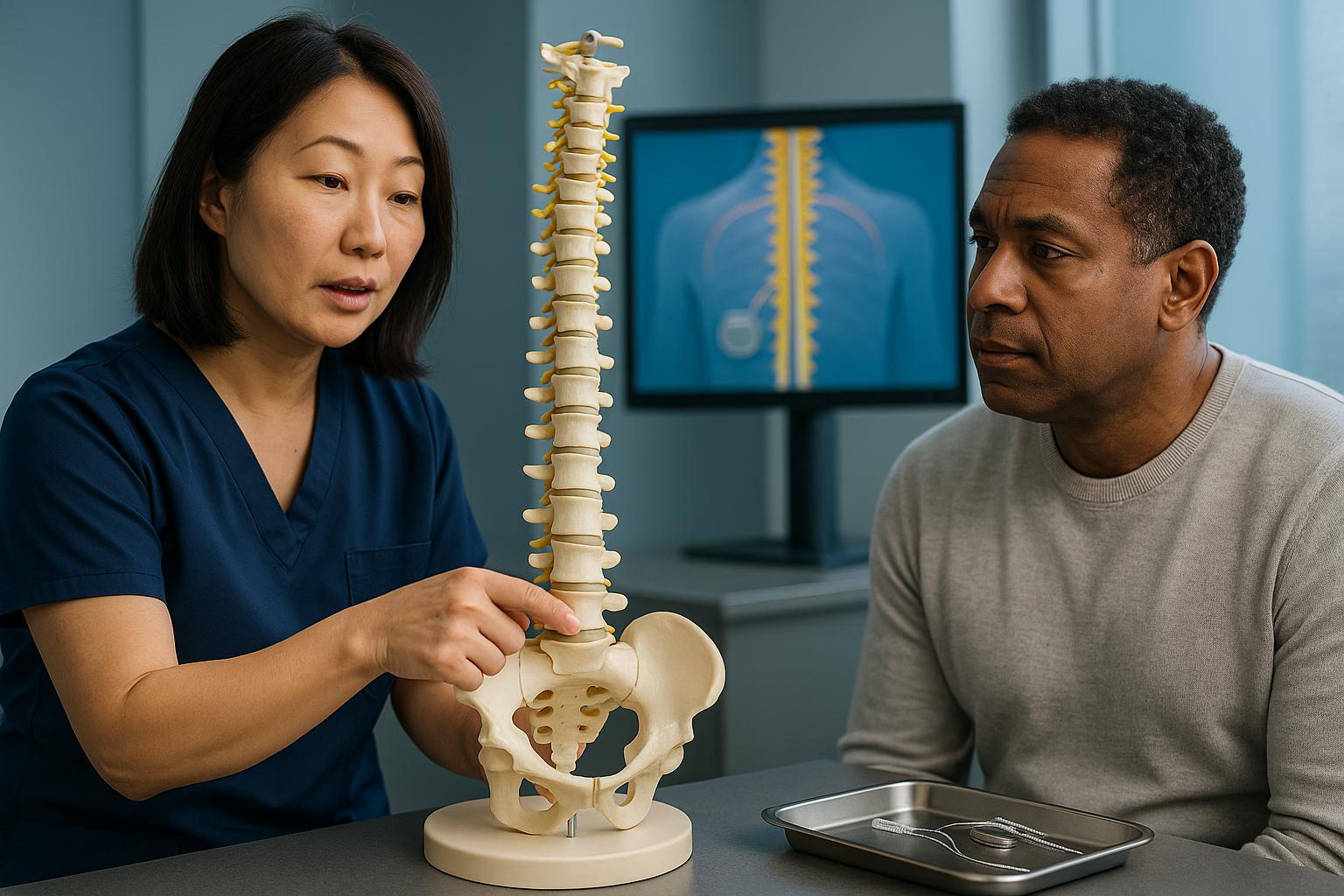
Current clinical trials, such as those evaluating spinal cord stimulation, are advancing our understanding of rehabilitation outcomes and shaping the standards by which legal damages are assessed.
If you require SCI prognosis evidence that withstands scrutiny and supports robust legal arguments, this article will clarify the essential medical-legal considerations you need.
Understanding SCI Prognosis
SCI prognosis (the anticipated degree of recovery following a spinal cord injury) is determined by a constellation of clinical, anatomical, and temporal factors. The level and completeness of the injury, the timing of intervention, and the presence of comorbidities all play pivotal roles in shaping outcomes.
Less than 1% of individuals with SCI achieve full neurologic recovery by hospital discharge, underscoring the gravity of these injuries and the necessity for precise, evidence-based forecasting.
Key legal and rehabilitation evidence points:
- Injury level and completeness dictate functional potential.
- Early, intensive rehabilitation correlates with improved outcomes.
- Prognosis can be documented with objective metrics, which may aid in legal defensibility.
- Life care plans typically integrate both medical and functional forecasts.
In my dual role as a physician and attorney, I have found that the most defensible SCI prognosis reports are those that clearly delineate the interplay between injury characteristics and rehabilitation response, using standardized outcome measures and transparent documentation.
“In my 15+ years of practice evaluating individuals with spinal cord and brain injuries, I’ve found that detailed functional assessment, beyond basic diagnosis, is essential for accurately delineating damages in legal proceedings.”
This means that, for attorneys seeking robust evidence, it is not sufficient to simply cite the neurological level of injury; granular documentation of functional abilities—mobility, self-care, communication, and respiratory independence—forms the backbone of a truly rigorous prognosis.
Key Prognostic Factors
The most critical determinants of SCI prognosis include:
- Neurological level of injury (cervical, thoracic, lumbar).
- Completeness (total vs. partial loss of function).
- Time to intervention (earlier is generally better).
- Age and comorbidities
I have observed that even subtle differences in the initial neurological exam can dramatically alter long-term outcomes. For attorneys, it is essential to ensure that all these factors are explicitly addressed in any expert report.
From my perspective as a triple board-certified physiatrist with legal expertise, I often see functional discrepancies overlooked when only medical records are summarized. Clients with similar cervical injuries may exhibit varying use of assistive devices or independent living potential, which can impact the accuracy and defensibility of claimed life care costs.
Typical Recovery Timelines
Recovery after SCI follows a predictable but highly individualized trajectory. Most neurological improvement occurs within the first 3–6 months post-injury, with the greatest gains seen in incomplete injuries. However, functional progress may continue for up to two years, especially with ongoing rehabilitation.
In my experience, setting realistic expectations for both litigants and legal teams is crucial. Prognosis should always be grounded in current research and tailored to the specifics of each case.
While some practitioners may provide generalized timelines for recovery, my approach emphasizes correlating actual milestones and rate of progress to individualized life care needs, ensuring that attorneys receive evidence matched to the lived experiences of the person affected.
When to Seek Medical Attention
Seek immediate evaluation by a physician if an individual with SCI experiences:
- Sudden loss of function below the injury level.
- New or worsening respiratory distress.
- Signs of autonomic dysreflexia (severe headache, high blood pressure).
Functional Recovery and Rehab Outcomes
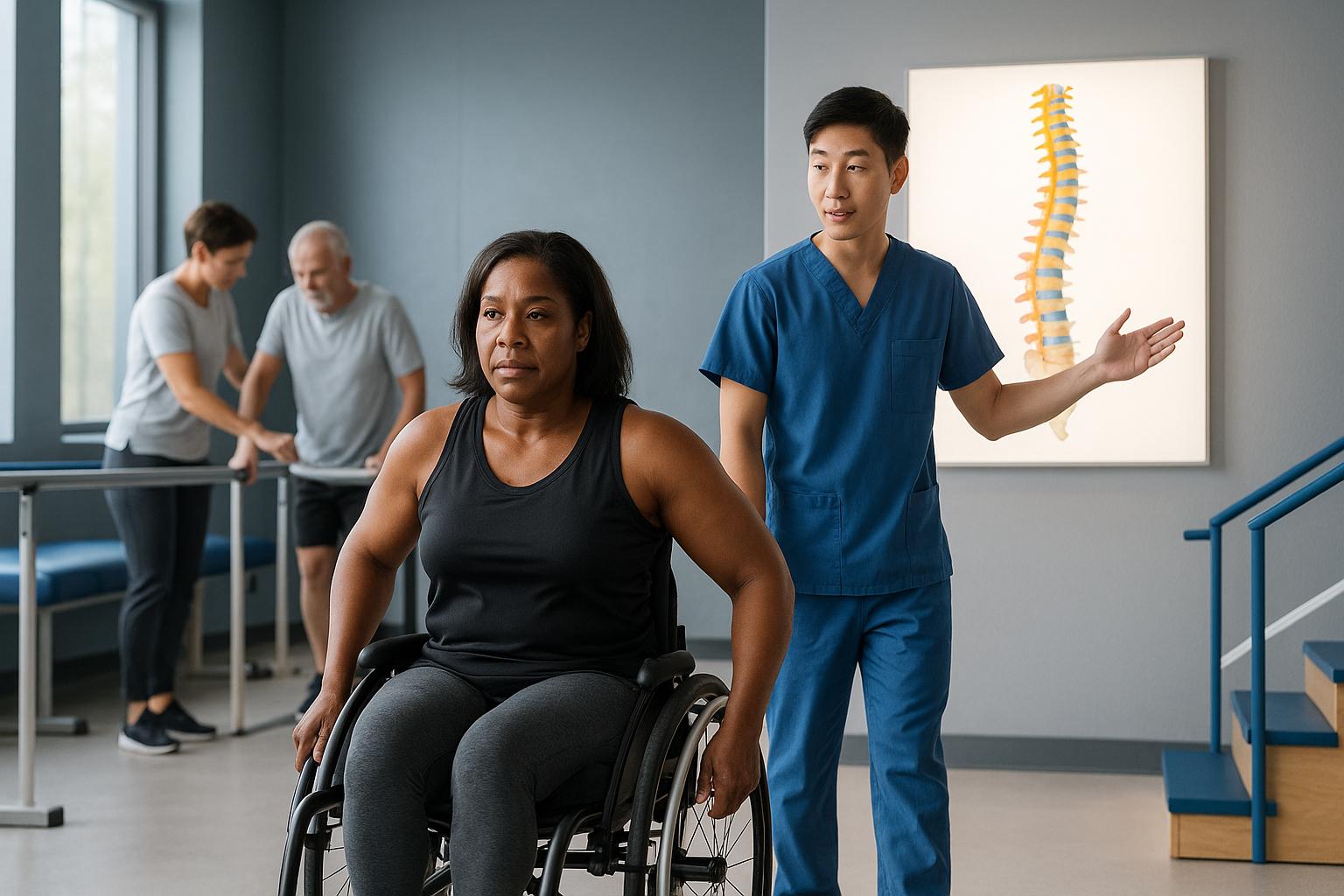
Functional recovery after SCI is shaped by the intensity and timing of rehabilitation. Interventions delivered during the early post-injury period, when neuroplasticity is heightened, can yield greater improvements in mobility and independence evidenced by recent studies. I have seen that early, high-intensity therapy often translates into more favorable long-term outcomes.
As someone who has treated hundreds of individuals with diverse severities of spinal cord injury, I can attest that the period for optimal neurorehabilitation may be limited, and missed opportunities during this phase can potentially reduce eventual independence.
Variations in outcomes can be considered during litigation when determining the reasonableness of future care projections.
Rehabilitation Milestones
Key milestones in SCI rehabilitation include:
- Regaining the ability to sit unsupported.
- Achieving independent transfers.
- Walking with or without assistive devices (when possible).
- Mastery of wheelchair mobility and self-care.
These milestones are not only clinically significant but also serve as objective benchmarks for legal documentation.
In my practice, I have witnessed the difference it makes when rehabilitation progress is tracked using standardized criteria. Not only does this provide clarity for all parties involved, but it strengthens the evidentiary value of life care plans and IME reports—whether supporting plaintiff or defense objective measure guidelines.
Measuring Progress: 6MWT and Other Metrics
The 6-Minute Walk Test (6MWT) is a validated measure of walking endurance and is recommended for tracking progress at all stages post-injuryAmerican Physical Therapy Association guidelines. Additional metrics include the ASIA Impairment Scale and functional independence measures.
In my practice, I prioritize these standardized tools to ensure that rehabilitation outcomes are both quantifiable and defensible in court.
Respiratory management is another cornerstone of SCI care, particularly for high cervical injuries. Effective respiratory support can reduce complications and improve overall prognosis.
Based on treating individuals with ventilator-dependence and those who regained partial respiratory autonomy, I always highlight the importance of documenting respiratory milestones as part of the overall functional trajectory in any medical-legal report.
Disability Forecasts: Implications for Attorneys
Forecasting long-term disability after SCI requires a nuanced understanding of both medical and functional trajectories. Direct healthcare expenditures for SCI can exceed $716 million annually, reflecting the profound impact on both individuals and the healthcare system.
Having worked with hundreds of spinal cord injury cases, I’ve found that accurate functional assessment and documentation are equally valuable for plaintiffs seeking fair compensation and defendants requiring objective analysis. This reinforces my commitment to impartial, comprehensive evidence that supports either side of a dispute.
Forecasting Long-Term Disability
Objective disability forecasts should incorporate:
- Injury level and completeness.
- Expected rehabilitation milestones.
- Anticipated complications (e.g., pressure ulcers, bone loss).
- Projected need for assistive technology and personal care.
From my unique perspective with both medical and legal training, I can translate complex medical findings into precise documentation that clearly establishes functional limitations for both plaintiff and defense teams.
Importantly, this dual focus helps ensure that no critical aspect—medical, functional, or legal—is underappreciated in the disability forecast.
Translating Medical Prognosis to Legal Evidence
Translating medical findings into legally admissible evidence demands clarity, objectivity, and adherence to established standards. Prognosis statements must be supported by peer-reviewed research and standardized outcome measures.
In my experience, the most persuasive reports are those that bridge the gap between clinical realities and legal requirements, providing clear, actionable information for all parties involved. For example, aligning rehabilitation milestones with projected life care needs creates a logical, evidence-based narrative that stands up under cross-examination.
Life Care Planning Evidence and Documentation
Robust life care planning hinges on comprehensive, well-documented evidence. Bone loss is a hallmark of severe SCI, producing a 20- to 100-fold higher fracture risk and necessitating long-term orthopedic management.
While some medical experts focus solely on diagnosis, my approach emphasizes comprehensive functional assessment that provides all parties—physicians, attorneys, and litigants—with clear, accessible documentation of impairments. This strategy ensures that my reports support independent, objective testimony and facilitate more robust life care planning discussions.
Essential Elements in Life Care Reports
A defensible life care plan should include:
- Detailed injury description and prognosis
- Rehabilitation milestones and progress metrics
- Anticipated medical complications and interventions
- Cost projections for care, equipment, and therapies
I always ensure that my reports are meticulously documented, with every recommendation traceable to clinical evidence or established guidelines.
Maximizing Defensibility in Court
To withstand legal scrutiny, life care plans must:
- Use objective, reproducible data.
- Reference high-quality research and guidelines.
- Clearly delineate the rationale for each recommendation.
No physical rehabilitation regimen has been shown to consistently prevent bone loss at the most fracture-prone sites, highlighting the need for ongoing risk assessment and documentation.
Based on my field experience, rigorous follow-up and longitudinal documentation are as critical to defensibility as the initial evaluation itself, since evolving complications (like fractures) may profoundly impact the long-term cost projection.
Medical-Legal Consulting: How I Support Your Case
My consulting services are designed to bridge the gap between complex medical facts and legal requirements. I offer medical-legal services integrating clinical assessment with legal applications, including comprehensive case reviews in spinal cord injury medicine, analyzing medical records and providing expert opinions on causation, standard of care, and prognosis.
From my unique perspective with both medical and legal training, I can translate complex medical findings into precise documentation that clearly establishes functional limitations for both plaintiff and defense teams. This dual qualification distinguishes my approach and allows me to clarify the nuances in cases where a simple diagnosis does not reflect the true picture of damages or future needs.
Comprehensive Case Reviews
I conduct thorough reviews of all relevant medical documentation, ensuring that every aspect of the injury and its sequelae is addressed. This process supports both defense and plaintiff teams in delineating damages and clarifying causation.
In my 15+ years of practice evaluating individuals with spinal cord and brain injuries, I’ve found that detailed functional assessment, beyond basic diagnosis, is essential for accurately delineating damages in legal proceedings. Frequently, it is the ability to parse clinical subtleties and translate them for a legal audience that determines the strength and admissibility of the evidence.
Expert Witness and IME Services Across States
As a triple board-certified expert with licensure in over ten states, I provide independent medical examinations (IMEs) and expert witness testimony tailored to the needs of each jurisdiction. My dual training enables me to translate complex medical concepts into clear, actionable legal evidence.
I remain current with advances in SCI therapies and evidence standards, ensuring that my analyses reflect the latest research and best practices.
My Approach to Patient Care and Medical-Legal Expertise
Patient care in spinal cord injury medicine demands not only technical proficiency but also a deep understanding of the lived realities that follow such life-altering events. My dual training as a physician and attorney uniquely positions me to bridge the gap between clinical evidence and legal requirements.
In my practice, I emphasize comprehensive, research-backed functional assessments that go beyond diagnosis. This approach ensures that every aspect of a litigant’s prognosis is documented with the precision necessary for robust life care planning and defensible expert testimony.
My triple board certification in Physical Medicine & Rehabilitation, Spinal Cord Injury Medicine, and Brain Injury Medicine, combined with licensure across more than ten states, allows me to deliver objective, high-standard evaluations for both plaintiffs and defendants.
I remain actively engaged in ongoing research and professional development, ensuring that my analyses reflect the latest advances in SCI prognosis and rehabilitation.
By integrating these standards into every case review, I provide attorneys and their clients with evidence that stands up to scrutiny and supports fair, accurate outcomes in both medical and legal contexts.
SCI Prognosis and Medical-Legal Consulting in Reno
As a physician based in Reno, I recognize the unique needs of the local community when it comes to spinal cord injury prognosis and medical-legal consulting. Reno’s diverse population and regional healthcare infrastructure require a nuanced approach to both clinical assessment and legal documentation.
My practice serves as a hub for both in-person and telemedicine evaluations, supporting not only local physicians and attorneys but also claims adjusters and litigants throughout Nevada and beyond. The climate and active lifestyle in Reno can influence rehabilitation outcomes and long-term care needs, making individualized, regionally informed assessments essential for accurate disability forecasts.
With licensure in Nevada, Texas, California, Colorado, Georgia, Idaho, Montana, North Dakota, Utah, Washington, Pennsylvania, and Kentucky (pending), I am able to provide expert witness and IME services across multiple jurisdictions. This multi-state reach ensures that clients in Reno benefit from both local expertise and national standards of care.
If you are seeking a comprehensive SCI prognosis or require a defensible life care plan for a legal case in Reno or the surrounding region, I invite you to connect with me for a consultation or to schedule a telemedicine IME.
Conclusion
A spinal cord injury (SCI) is a life-altering event that demands both precise medical management and rigorous legal documentation. In summary, SCI prognosis hinges on early intervention, comprehensive rehabilitation, and objective assessment of functional milestones.
For attorneys and litigants, the defensibility of disability forecasts and life care plans depends on transparent, research-backed evidence that aligns with evolving standards of care.
My dual qualifications as a triple board-certified physician and attorney uniquely position me to bridge these domains, ensuring that every case receives a thorough, objective, and legally sound evaluation.
Based in Reno, I provide specialized services across multiple states including Texas, California, and Colorado, and others through both telemedicine and in-person consultations. I am willing to travel as an expert witness, offering flexibility that benefits clients with complex, multi-jurisdictional cases.
I invite you to schedule a consultation TODAY to secure the most accurate SCI prognosis for optimal recovery outcomes and robust legal documentation. Prompt action not only improves medical results but also strengthens your legal position, providing confidence and peace of mind during challenging times. For the latest advances in SCI prognosis and rehabilitation, review current research on new therapies and evidence standards.
This article is for educational purposes only and should not be used as a substitute for professional medical advice, diagnosis, or treatment. Always seek the advice of your physician or other qualified healthcare provider with any questions you may have regarding a medical condition or treatment options. Never disregard professional medical advice or delay in seeking it because of something you have read in this article.
Frequently Asked Questions
What is SCI prognosis, and why is it important for legal cases?
SCI prognosis refers to the anticipated level of recovery and long-term function after a spinal cord injury. It is critical for legal cases because it shapes life care plans, disability forecasts, and the calculation of damages. Objective, research-based prognosis ensures that legal documentation is defensible and accurately reflects the injured individual’s future needs.
How can I access your spinal cord injury expertise regardless of my location?
You can access my spinal cord injury expertise through both telemedicine and in-person consultations. I am licensed in multiple states, including Texas, California, and Colorado, and I am willing to travel for complex cases or expert witness testimony. This multi-state practice model ensures that clients receive specialized care and objective analysis wherever they are located.
How does your combined medical and legal expertise benefit spinal cord injury cases?
My dual training as a physician and attorney allows me to deliver comprehensive, objective evaluations that meet both clinical and legal standards. I translate complex medical findings into clear, actionable legal evidence, supporting both plaintiffs and defendants. This approach ensures that every aspect of the case is thoroughly documented and withstands scrutiny in court or settlement discussions.
About the Author
Dr. Ellia Ciammaichella, DO, JD, is a triple board-certified physician specializing in Physical Medicine & Rehabilitation, Spinal Cord Injury Medicine, and Brain Injury Medicine. With dual degrees in medicine and law, she offers a rare, multidisciplinary perspective that bridges clinical care and medico-legal expertise. Dr. Ciammaichella helps individuals recover from spinal cord injuries, traumatic brain injuries, and strokes—supporting not just physical rehabilitation but also the emotional and cognitive challenges of life after neurological trauma. As a respected independent medical examiner (IME) and expert witness, she is known for thorough, ethical evaluations and clear, courtroom-ready testimony. Through her writing, she advocates for patient-centered care, disability equity, and informed decision-making in both medical and legal settings.
Medical Expert Services
Dr. Ciammaichella provides expert medical consulting for attorneys handling complex injury cases: