T6 Spinal Cord Injury: Unraveling Life-Altering Impacts on Mobility and Recovery
By Dr. Ellia Ciammaichella, DO, JD, Triple Board-Certified
Quick Insights
T6 spinal cord injury affects trunk muscle and sensation control below the mid-chest, often resulting from trauma. Such injuries can impair mobility and vital organ functions; timely medical intervention and legal expertise are crucial for effective outcomes.
Key Takeaways
- T6 injuries impact movement, sensation, and balance below the chest.
- Autonomic changes can affect blood pressure and temperature regulation.
- Symptoms and recovery outcomes may vary based on individual circumstances and available healthcare resources.
- Legal clarity on injury effects aids both patients and defense attorneys.
Why It Matters
A T6 spinal cord injury can fundamentally disrupt daily independence, health, and legal standings. For patients and professionals alike, understanding functional losses and citing evidence is vital to guide care, anticipate prognosis, and inform personal or case decisions.
Introduction
As a triple board-certified physician and attorney (DO/JD), I approach every T6 spinal cord injury with both clinical precision and legal clarity.
A T6 spinal cord injury is damage to the spinal cord at the sixth thoracic vertebral level, disrupting motor, sensory, and autonomic functions below the mid-chest. This injury impairs trunk stability, balance, and internal organ regulation—consequences that affect not only medical care but also the assessment of damages in legal proceedings.
For patients, understanding what a T6 spinal cord injury is means grasping both the physical challenges and the documentation required for fair compensation or insurance coverage.
My dual training enables me to objectively delineate the functional losses and rehabilitation potential that define these cases. Research demonstrates that multimodal rehabilitation can significantly improve function after spinal cord injury, emphasizing the need for evidence-based analysis in both clinical and legal settings.
This article will clarify the T6 vertebrae’s functions, typical symptoms, and the medico-legal implications for individuals and professionals nationwide.
What is a T6 Spinal Cord Injury?
A T6 spinal cord injury is defined as damage to the spinal cord at the sixth thoracic vertebral level, which is situated approximately at the mid-chest. This injury disrupts the transmission of motor, sensory, and autonomic signals below the T6 segment. The result is a constellation of impairments that can include loss of voluntary muscle control, diminished sensation, and compromised regulation of internal organ systems.
In my 15+ years of practice evaluating individuals with spinal cord and brain injuries, I’ve found that detailed functional assessment, beyond basic diagnosis, is essential for accurately delineating damages in legal proceedings. The T6 level serves as a critical anatomical boundary; understanding the precise anatomical significance of this segment is key to identifying which functions are likely to be lost—and which may be preserved—after an injury.
From my unique perspective with both medical and legal training, I can translate complex medical findings into precise documentation that clearly establishes functional limitations for both plaintiff and defense teams. The T6 segment marks the transition where abdominal muscle innervation begins, so injuries here can significantly affect trunk stability and postural control.
From a medico-legal perspective, the precise documentation of neurological deficits at T6 is vital for delineating damages in litigation or insurance claims. The American Spinal Injury Association (ASIA) Impairment Scale is commonly used to classify the severity and completeness of injury, which directly impacts prognosis and compensation calculations.
According to a comprehensive review, level-specific outcomes and literature support the need for detailed, segmental analysis in both clinical and legal settings.
Functions Controlled by the T6 Spinal Cord Segment
The T6 spinal cord segment is responsible for transmitting motor and sensory signals to and from the trunk, chest, and parts of the abdomen. This level is pivotal for maintaining core stability, balance, and certain autonomic functions.
Motor and Sensory Functions
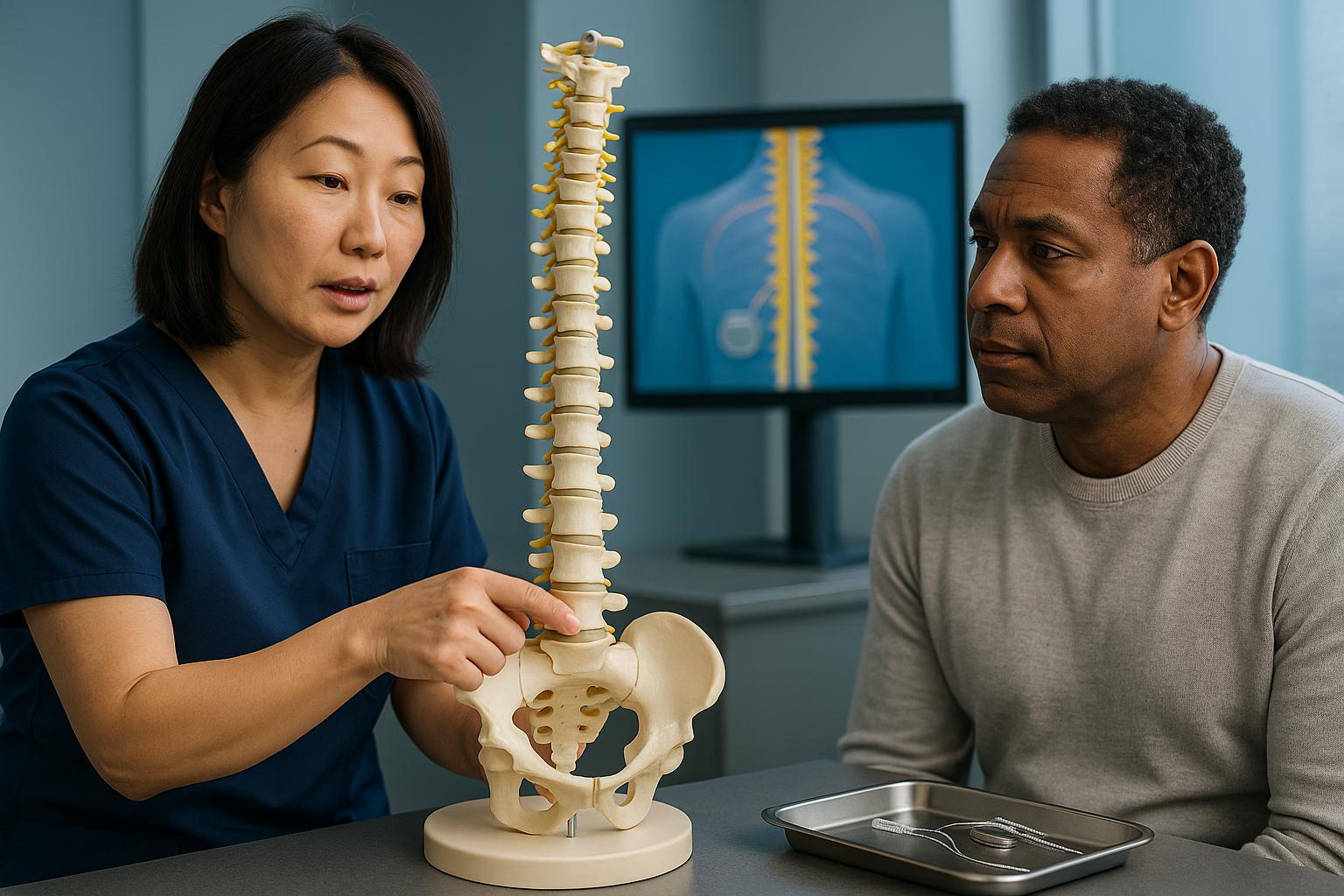
At T6, the spinal cord innervates the intercostal muscles (between the ribs) and the upper abdominal muscles. This control is essential for effective coughing, deep breathing, and maintaining an upright posture. Sensory input from the skin and muscles below the mid-chest is also processed at this level.
Based on treating hundreds of patients with thoracic spinal cord injuries, I’ve seen that even small differences in injury level—such as T6 compared to T7 or T5—can meaningfully change a person’s balance, breathing effectiveness, and risk of secondary complications.
In my clinical practice, I have observed that patients with T6 injuries often retain full use of their arms and hands but experience significant weakness or paralysis in the trunk and lower limbs. This pattern of impairment is consistent with research demonstrating that inspiratory muscle training can enhance both balance and respiratory function in individuals with thoracic spinal cord injuries.
Impact on the Thoracic Region
The thoracic region, particularly at T6, is crucial for trunk control and stability. Loss of function here can lead to difficulties with sitting balance, transfers, and mobility. Additionally, the T6 segment plays a role in autonomic regulation, including blood pressure and temperature control.
While some medical experts focus solely on diagnosis, my approach emphasizes comprehensive functional assessment that provides all parties—physicians, attorneys, and litigants—with clear, accessible documentation of impairments.
Distinguishing between upper and lower thoracic injuries is not just a technical nuance; it directly informs the prognosis, level of independence achievable with rehabilitation, and the quantification of damages or need for accommodations in legal cases. The T6 level often serves as a reference point in both clinical and legal evaluations, as it marks a shift in the pattern of neurological deficits.
Common Symptoms and Signs of T6 Spinal Cord Injury
Symptoms of a T6 spinal cord injury are determined by the extent and completeness of the lesion. The most common manifestations include motor, sensory, and autonomic disturbances below the level of injury.
Physical Symptoms
Typical physical symptoms include:
- Loss of voluntary movement in the trunk and lower limbs
- Reduced or absent sensation below the mid-chest
- Impaired balance and trunk stability
- Spasticity or increased muscle tone in the lower extremities
In my assessment of individuals with T6 injuries, I have consistently noted that the pattern of motor and sensory loss aligns with the anatomical distribution of the T6 segment. I advise legal professionals to pay careful attention to documentation of these patterns, as they can influence both the perceived severity of injury and the ultimate compensation or settlement needs.
Research supports that symptom patterns and patient demographics are critical for accurate diagnosis and prognosis.
Autonomic Dysfunctions
Autonomic dysfunctions are common and may include:
- Difficulty regulating blood pressure (orthostatic hypotension)
- Impaired temperature control
- Disrupted sweating below the level of injury
These symptoms can significantly impact daily activities and require careful management. I emphasize the importance of early recognition and intervention to mitigate secondary complications.
When to Seek Medical Attention
Seek immediate medical attention if you experience:
- Sudden loss of movement or sensation below the chest
- Severe, unrelenting back pain after trauma
- Signs of autonomic dysreflexia (sudden high blood pressure, headache, sweating)
Autonomic Considerations in T6 Spinal Cord Injury
Autonomic dysfunction is a hallmark of T6 spinal cord injuries, affecting cardiovascular, respiratory, and gastrointestinal systems. The disruption of sympathetic pathways at this level can lead to significant clinical challenges.
In my professional opinion, the autonomic challenges seen with a T6 injury go well beyond what many general practitioners expect—prompting the need for a highly tailored approach to both clinical care and legal documentation of damages. Not only does the impaired sympathetic control influence blood pressure and cardiac risks, but it also complicates rehabilitation planning and long-term community reintegration.
Blood Pressure Management
Blood pressure instability, particularly orthostatic hypotension, is common after T6 injuries. The loss of sympathetic tone below the injury impairs vascular resistance, leading to episodes of low blood pressure upon standing.
According to clinical guidelines, different vasopressor agents are recommended depending on the level of injury: mixed adrenergic agents for injuries above T6 and pure alpha-agonists for those below.
In my role as a specialist, I have found that individualized blood pressure management protocols are essential for optimizing neurological recovery and preventing secondary complications. An implantable system to restore hemodynamic stability is under investigation and may offer future therapeutic options.
Bowel and Bladder Impact
T6 injuries often disrupt the autonomic control of bowel and bladder function, resulting in neurogenic bladder and bowel. This can manifest as urinary retention, incontinence, or constipation.
Respiratory complications, including reduced cough effectiveness and increased risk of pneumonia, are also prevalent and represent a leading cause of morbidity and mortality after spinal cord injuryrespiratory management and mortality.
Having worked with hundreds of spinal cord injury cases, I’ve found that accurate functional assessment and documentation are equally valuable for plaintiffs seeking fair compensation and defendants requiring objective analysis.
I routinely counsel patients and legal professionals on the importance of comprehensive autonomic assessment, as these impairments have substantial implications for both quality of life and damage calculations in legal cases.
Functional Outcomes and Prognosis After T6 Injury
The prognosis following a T6 spinal cord injury depends on the severity (complete vs. incomplete) and the timeliness of intervention. Functional outcomes are influenced by the degree of preserved motor and sensory function, as well as the presence of secondary complications.
From my perspective as a dual-degree DO/JD, integrating both medical rehabilitation principles and legal standards, functional outcomes are best established when early, well-documented interventions are applied and supported by research evidence.
This documentation lays the groundwork for both realistic rehabilitation goals and objectively defensible legal positions.
Expected Rehabilitation Progress
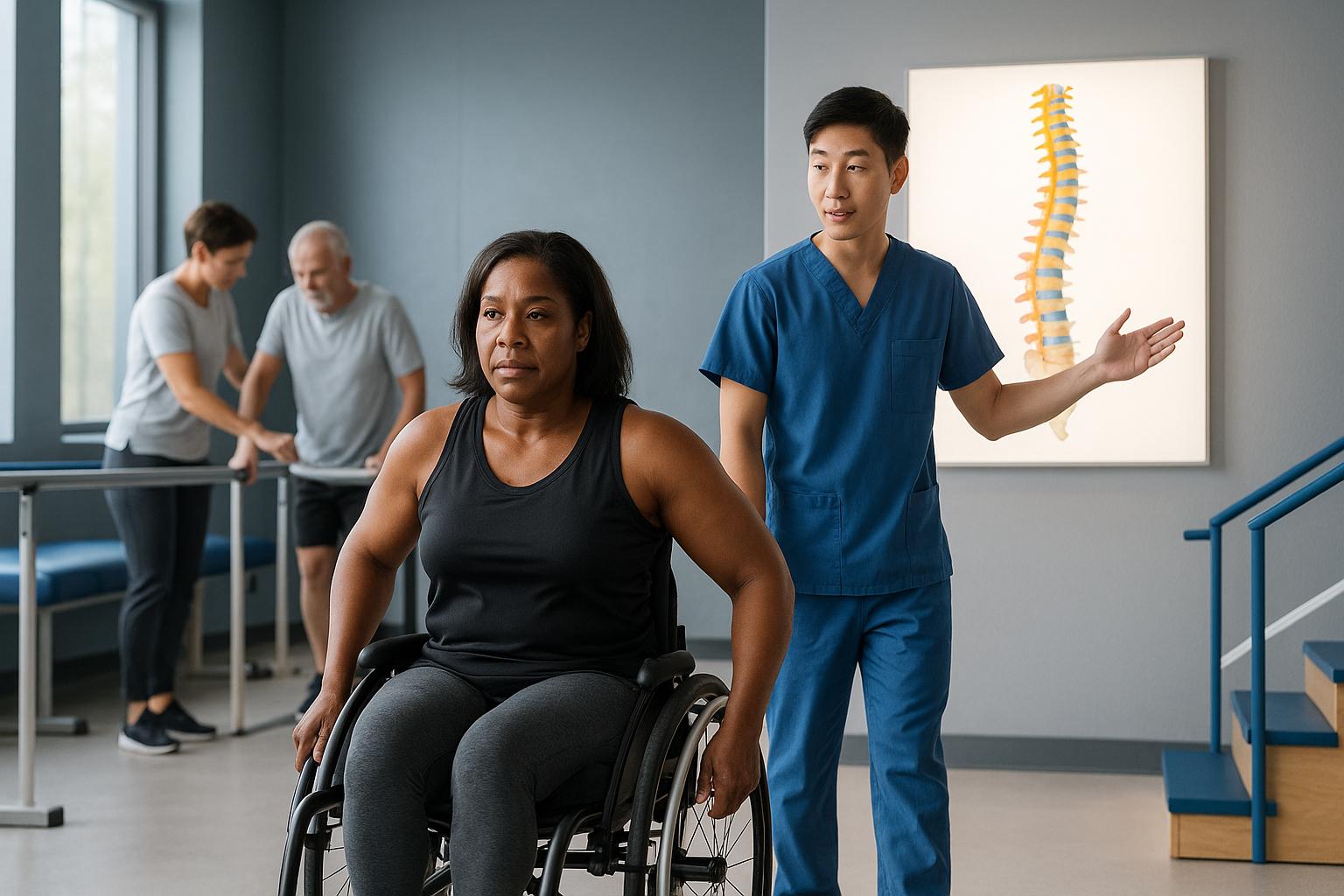
Most individuals with T6 injuries will require a wheelchair for mobility, but many can achieve independence in self-care and transfers with appropriate rehabilitation. Advances in rehabilitation, including multimodal approaches, have demonstrated significant improvements in function and quality of life.
In my practice, I have observed that early, intensive rehabilitation is associated with better outcomes, particularly in incomplete injuries. The use of assistive technologies and adaptive equipment further enhances independence.
Recent Advances in SCI Recovery
Emerging therapies, such as epidural stimulation, have shown promise in restoring voluntary movement and improving the quality of life for individuals with spinal cord injuries. A recent study reported a 78 percent improvement in motor function over twelve months, with gains in voluntary movement and balance.
Cell therapies, neuromodulation, and robotic rehabilitation are also being explored as adjuncts to traditional therapy. I remain cautiously optimistic about these developments, as they offer new avenues for functional recovery and may alter future medico-legal assessments of prognosis.
Daily Implications and Quality of Life
A T6 spinal cord injury has profound effects on daily living, independence, and psychosocial well-being. The loss of trunk control and autonomic function necessitates adaptations in mobility, self-care, and community participation.
Based on my experience providing medical-legal consultation across multiple states, I find that quality-of-life impacts are often underrepresented in legal proceedings unless clearly articulated by an expert able to bridge both clinical and legal domains.
My dual credentials help me translate these complex realities into reports that withstand scrutiny in diverse settings.
Mobility and Independence
Most individuals with T6 injuries use a manual or power wheelchair for mobility. With proper training and environmental modifications, many can achieve a high degree of independence in activities of daily living. Long-term functional impacts, including the need for assistive devices and ongoing therapy, are well-documented in the literature.
In my dual role as a physician and legal consultant, I emphasize the importance of individualized rehabilitation plans that address both physical and psychosocial needs. This approach not only improves patient outcomes but also provides a robust foundation for legal damage assessments.
Telemedicine Support and Resources
Telemedicine has become an invaluable resource for individuals with T6 spinal cord injuries, particularly those in remote or underserved areas. Virtual consultations enable access to specialized care, ongoing rehabilitation, and expert witness services across multiple states.
I have found that telemedicine enhances continuity of care and facilitates timely interventions, which are critical for optimizing outcomes and supporting both clinical and legal processes. Research underscores the need for continued innovation in remote management and support for spinal cord injury populations.
My Approach to Patient Care
Delivering care for individuals with T6 spinal cord injuries requires a nuanced understanding of both the medical and legal complexities inherent to these cases. My dual training as a triple board-certified physician and attorney enables me to approach each evaluation with a level of precision and objectivity that is uncommon in the field.
I prioritize comprehensive functional assessments, ensuring that every impairment—whether motor, sensory, or autonomic—is meticulously documented. This approach not only guides optimal rehabilitation strategies but also provides the clarity necessary for legal proceedings, where the delineation of damages must withstand rigorous scrutiny.
My commitment to advancing standards in spinal cord injury medicine is reflected in my ongoing participation in national professional societies and my service as a committee co-chair within the Association of Spinal Cord Injury Professionals. I remain dedicated to integrating the latest research and evidence-based practices into every consultation.
By combining clinical expertise with legal acumen, I strive to offer patients, attorneys, and fellow physicians a resource that bridges the gap between complex medical realities and the demands of the legal system. This dual perspective is essential for achieving fair outcomes and supporting the highest standards of care in T6 spinal cord injury cases.
For a detailed overview of the medical assessment and legal applications within my expert witness and consulting services, including both objective clinical evaluation and damage quantification, please see my medical assessment and legal consulting services for spinal cord injuries.
Reno-Based Spinal Cord Injury Expertise: Medical and Legal Resources
As a physician based in Reno, I recognize the unique needs of individuals and professionals navigating T6 spinal cord injuries in this region. Factors such as local climate, lifestyle, and availability of specialized rehabilitation resources may influence the management and assessment of spinal cord injuries.
My Reno-based practice serves as a hub for both advanced medical evaluation and expert legal consulting, supporting not only patients but also attorneys, claims adjusters, and fellow physicians throughout Nevada and beyond.
With licensure across multiple states—including Texas, California, Colorado, and others—I am able to provide telemedicine consultations and expert witness services that extend the reach of Reno’s specialized care to a broader audience.
Local patients benefit from in-person assessments and direct access to community resources, while legal professionals in Reno can rely on my dual credentials for objective, evidence-based damage analysis. The integration of telemedicine ensures that even those in remote or underserved areas can access high-level expertise without unnecessary travel.
If you are seeking specialized spinal cord injury care or require a comprehensive medico-legal evaluation in Reno, I invite you to schedule a virtual second opinion or request an IME consultation. My practice is committed to delivering clarity, precision, and support for all parties involved in T6 spinal cord injury cases.
Conclusion
A T6 spinal cord injury disrupts motor, sensory, and autonomic functions below the mid-chest, profoundly affecting both daily life and legal considerations. In summary, these injuries compromise trunk stability, balance, and internal organ regulation, requiring precise medical management and meticulous documentation for legal proceedings.
My dual qualifications as a triple board-certified physician and attorney enable me to deliver comprehensive, objective assessments that support both optimal rehabilitation and defensible damage analysis.
Based in Reno, I provide specialized services across multiple states, including Texas, California, and Colorado, through both telemedicine and in-person consultations. I am willing to travel as an expert witness, ensuring that individuals and professionals with complex cases benefit from my geographic flexibility and expertise.
I invite you to schedule a consultation TODAY to optimize your medical recovery and secure thorough legal documentation. Prompt action can make a critical difference in both health outcomes and legal protection, offering you confidence and clarity during challenging times.
To conclude, proper care and documentation are essential for both recovery and legal success. My unique medical-legal perspective ensures that every aspect of your case is addressed with the highest standard of expertise. See the 2025 Spinal Cord Injury Clinical Guidelines for further reading on clinical guidelines and outcomes.
This article is for educational purposes only and should not be used as a substitute for professional medical or legal advice, diagnosis, or treatment. Always seek the advice of your physician or qualified legal counsel with any questions regarding a medical condition or legal matter. Never disregard professional advice or delay in seeking it because of something you have read in this article.
Frequently Asked Questions
What are the main effects of a T6 spinal cord injury?
A T6 spinal cord injury typically results in loss of movement and sensation below the mid-chest, impaired trunk stability, and autonomic dysfunctions such as blood pressure and temperature regulation issues. Most individuals retain full use of their arms but require a wheelchair for mobility. Early intervention and rehabilitation can improve outcomes and quality of life.
How can I access your spinal cord injury expertise regardless of my location?
You can access my expertise through telemedicine consultations and in-person evaluations across all states where I am licensed, including Texas, California, and Colorado. I am also available to travel for expert witness services or complex assessments, ensuring that patients and legal professionals nationwide benefit from my specialized approach.
How does your combined medical and legal expertise benefit spinal cord injury cases?
My dual training as a physician and attorney allows me to objectively assess injuries, document functional losses, and clarify the medical-legal implications for both plaintiffs and defendants. This comprehensive perspective ensures that all relevant details are addressed, supporting fair outcomes in both rehabilitation planning and legal proceedings.
About the Author
Dr. Ellia Ciammaichella, DO, JD, is a triple board-certified physician specializing in Physical Medicine & Rehabilitation, Spinal Cord Injury Medicine, and Brain Injury Medicine. With dual degrees in medicine and law, she offers a rare, multidisciplinary perspective that bridges clinical care and medico-legal expertise. Dr. Ciammaichella helps individuals recover from spinal cord injuries, traumatic brain injuries, and strokes—supporting not just physical rehabilitation but also the emotional and cognitive challenges of life after neurological trauma. As a respected independent medical examiner (IME) and expert witness, she is known for thorough, ethical evaluations and clear, courtroom-ready testimony. Through her writing, she advocates for patient-centered care, disability equity, and informed decision-making in both medical and legal settings.