Unlocking Functional Independence After SCI: Overcoming Challenges for a Fulfilling Life
By Ellia Ciammaichella, DO, JD
Triple Board-Certified in Physical Medicine & Rehabilitation, Spinal Cord Injury Medicine, and Brain Injury Medicine
Quick Insights
Functional independence after SCI refers to a person’s ability to perform daily activities without assistance. This includes feeding, dressing, bathing, and moving safely. Independence levels vary based on injury location and severity. Research shows that physical capacity, psychological factors, and structured rehabilitation all influence outcomes. Early assessment helps predict long-term independence potential and guides treatment planning.
Key Takeaways
- Injury level and body composition significantly affect long-term independence scores in motor-complete SCI.
- Physical capacity metrics like arm strength correlate with improved functional independence during rehabilitation.
- Feeding independence and pressure injury prevention show strong links to psychological well-being.
- Epidural stimulation combined with activity training can restore independent standing in complete SCI.
Why It Matters
Understanding functional independence after SCI helps families and legal teams evaluate long-term care needs and quality of life. Accurate assessment of independence potential informs case planning, resource allocation, and realistic goal-setting. This knowledge supports informed decisions about rehabilitation investments and future care requirements.
Introduction
As a board-certified physiatrist and attorney, I evaluate spinal cord injury cases where independence potential directly affects legal and care planning decisions. To understand my unique qualifications in this complex field, you can learn more about Dr. Ciammaichella.
Functional independence after SCI refers to a person’s ability to perform daily activities without assistance, including feeding, dressing, bathing, and moving safely. Independence levels vary based on injury location and severity. Research shows that physical capacity, psychological factors, and structured rehabilitation all influence outcomes.
My dual training allows me to assess how medical findings translate into functional and legal significance. Clear documentation of independence potential matters when injuries carry long-term care implications.
This article examines the evidence on functional independence after SCI, including predictive factors, rehabilitation approaches, and emerging interventions that may restore capabilities. For those interested in deeper details, our article on how recovery milestones are evaluated after spinal cord injury provides further insight.
What Functional Independence Means After Spinal Cord Injury
Functional independence after SCI describes the ability to perform essential daily activities without physical assistance from another person. These activities include feeding, dressing, bathing, toileting, transferring between surfaces, and moving safely within one’s environment. Independence levels vary widely based on injury location, completeness, and individual factors.
In my practice of evaluating SCI cases, I focus on measurable independence metrics rather than subjective impressions. The Spinal Cord Independence Measure (SCIM) and Functional Independence Measure (FIM) provide standardized assessments of self-care, mobility, and sphincter management capabilities. These tools help quantify what a person can accomplish independently versus what requires assistance or adaptive equipment.
Research demonstrates that feeding independence and pressure injury prevention show particularly strong correlations with psychological well-being. This connection matters because independence in basic self-care often predicts broader quality-of-life outcomes. Walking ability, while valued by many patients, does not consistently correlate with psychological variables in the same way that self-care independence does.
Understanding these distinctions helps set realistic expectations. A person with tetraplegia may achieve substantial independence through adaptive equipment and environmental modifications, even without ambulation. Conversely, someone who regains walking ability may still require assistance with other essential functions.
Key Factors That Predict Independence Outcomes
Multiple factors influence functional independence trajectories after SCI. Injury level and completeness represent the most significant predictors, but they do not tell the complete story.
Evidence indicates that body structure and function factors most strongly predict discharge outcomes from initial rehabilitation. These include motor scores, sensory preservation, and neurological level. At one-year follow-up, activity and participation factors become more consistent predictors. This shift reflects how initial physical capacity sets the foundation, while ongoing engagement and environmental factors shape long-term independence.
Body composition also affects outcomes. Obesity and increased waist circumference correlate with lower independence scores in motor-complete SCI. Time since injury influences independence as well, with some individuals showing gradual declines related to secondary complications or aging effects.
When reviewing medical records in these cases, I look closely at baseline assessments and documented progression. Early motor scores, sensory sparing patterns, and initial rehabilitation response provide important prognostic information. However, individual variability means that predictions must remain probabilistic rather than absolute.
Psychological factors, social support, and access to appropriate equipment all contribute to independence potential. A comprehensive assessment considers medical, functional, and contextual variables together.
How Rehabilitation Shapes Daily Living Skills
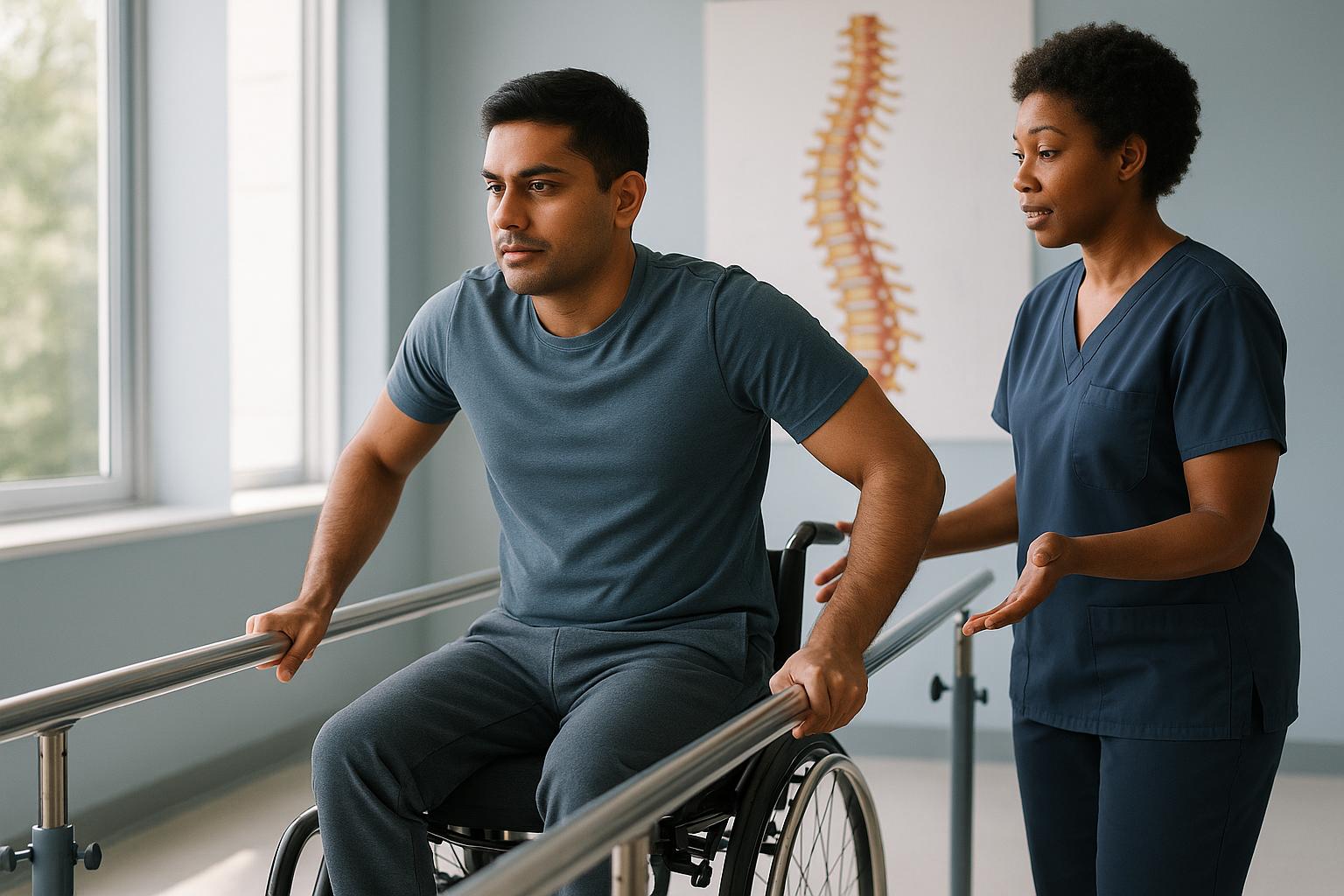
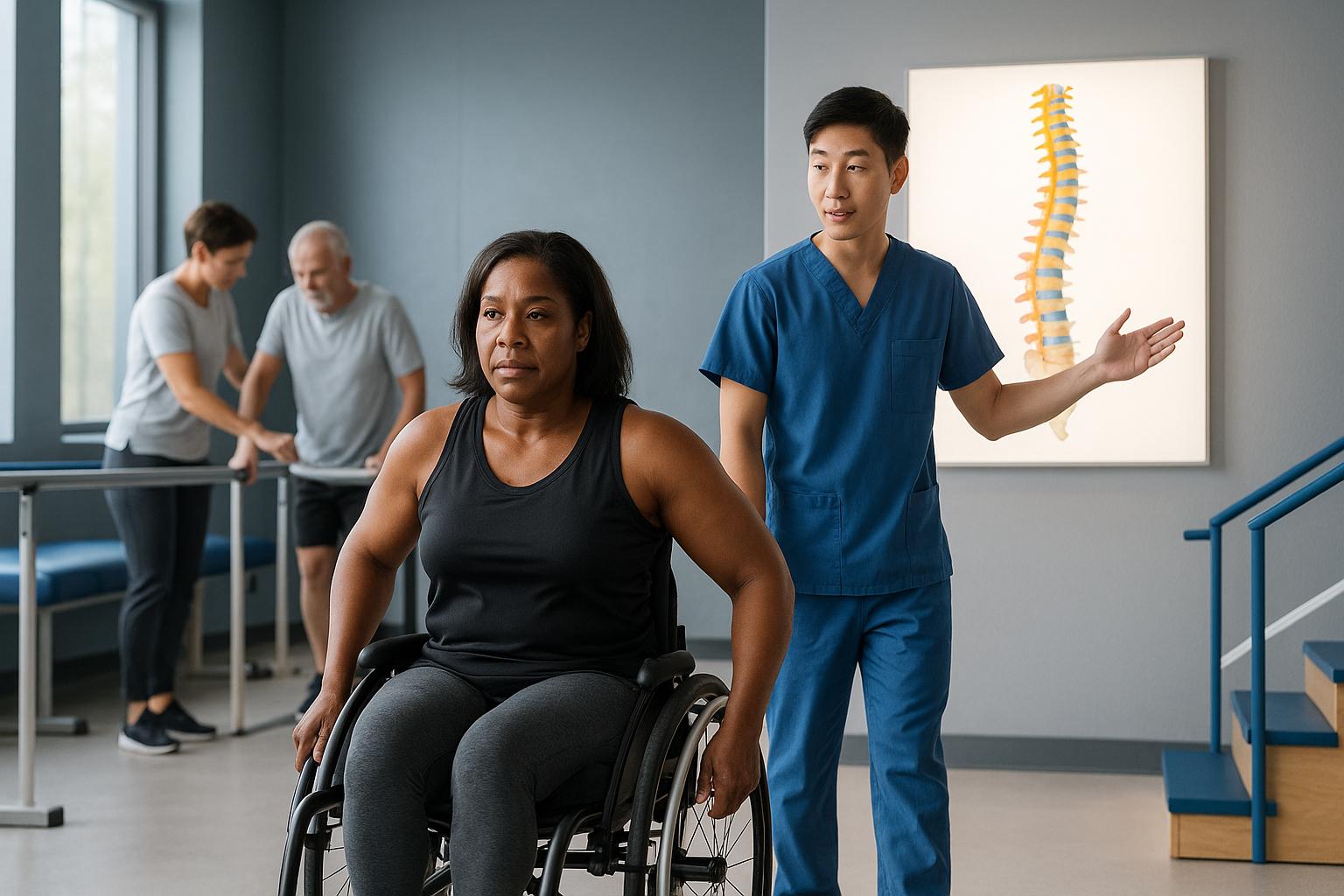
Structured rehabilitation directly influences functional independence development after SCI. Inpatient rehabilitation programs focus on teaching compensatory techniques, building physical capacity, and establishing safe independence in priority activities.
Studies show that functional independence improves during inpatient rehabilitation and correlates with physical capacity metrics like arm strength and aerobic capacity. These improvements reflect both skill acquisition and physiological adaptation. Patients learn efficient movement patterns while simultaneously building the strength and endurance needed to execute them.
Rehabilitation addresses multiple domains simultaneously. Therapists work on transfers, wheelchair mobility, self-care tasks, and home management skills. Occupational therapy focuses on adaptive techniques and equipment for dressing, bathing, and meal preparation. Physical therapy emphasizes mobility, strength, and endurance. Nursing staff reinforce techniques throughout the day.
From a rehabilitation perspective, I consider both what a person can do and how much energy it requires. Someone may achieve technical independence in an activity but find it so exhausting that they cannot sustain it in daily life. Efficiency and sustainability matter as much as capability.
Goal-setting should reflect realistic timelines and individual priorities. Some skills develop quickly, while others require months of practice. Equipment needs may change as strength improves or as secondary complications emerge.
The Role of Physical Capacity in Long-Term Independence
Physical capacity significantly affects sustained functional independence after SCI. Arm strength, trunk stability, and cardiovascular endurance all contribute to daily activity performance.
Long-term independence scores are influenced by injury level, body composition, and time since injury. Higher injury levels limit available muscle groups for compensation. Increased body weight creates additional physical demands for transfers and mobility. These factors interact to shape what individuals can accomplish independently over years and decades.
Maintaining physical capacity requires ongoing effort. Wheelchair propulsion, transfers, and self-care activities provide some exercise, but targeted strength and cardiovascular training often prove necessary. Declining physical capacity can lead to loss of previously achieved independence.
In medical-legal evaluations, I assess both current capacity and sustainability. Someone may demonstrate independence during a brief examination but struggle to maintain that level throughout a typical day. Fatigue, pain, and secondary complications affect real-world function.
Body composition management presents particular challenges. Limited mobility and altered metabolism after SCI increase obesity risk. Weight gain then creates a negative cycle, making transfers more difficult and reducing independence. Addressing this requires coordinated medical, nutritional, and therapeutic intervention.
Age-related changes compound these challenges. Natural strength decline, arthritis, and cardiovascular changes affect everyone, but they create greater functional impact when baseline capacity is already limited.
Advanced Interventions: Epidural Stimulation and Motor Recovery
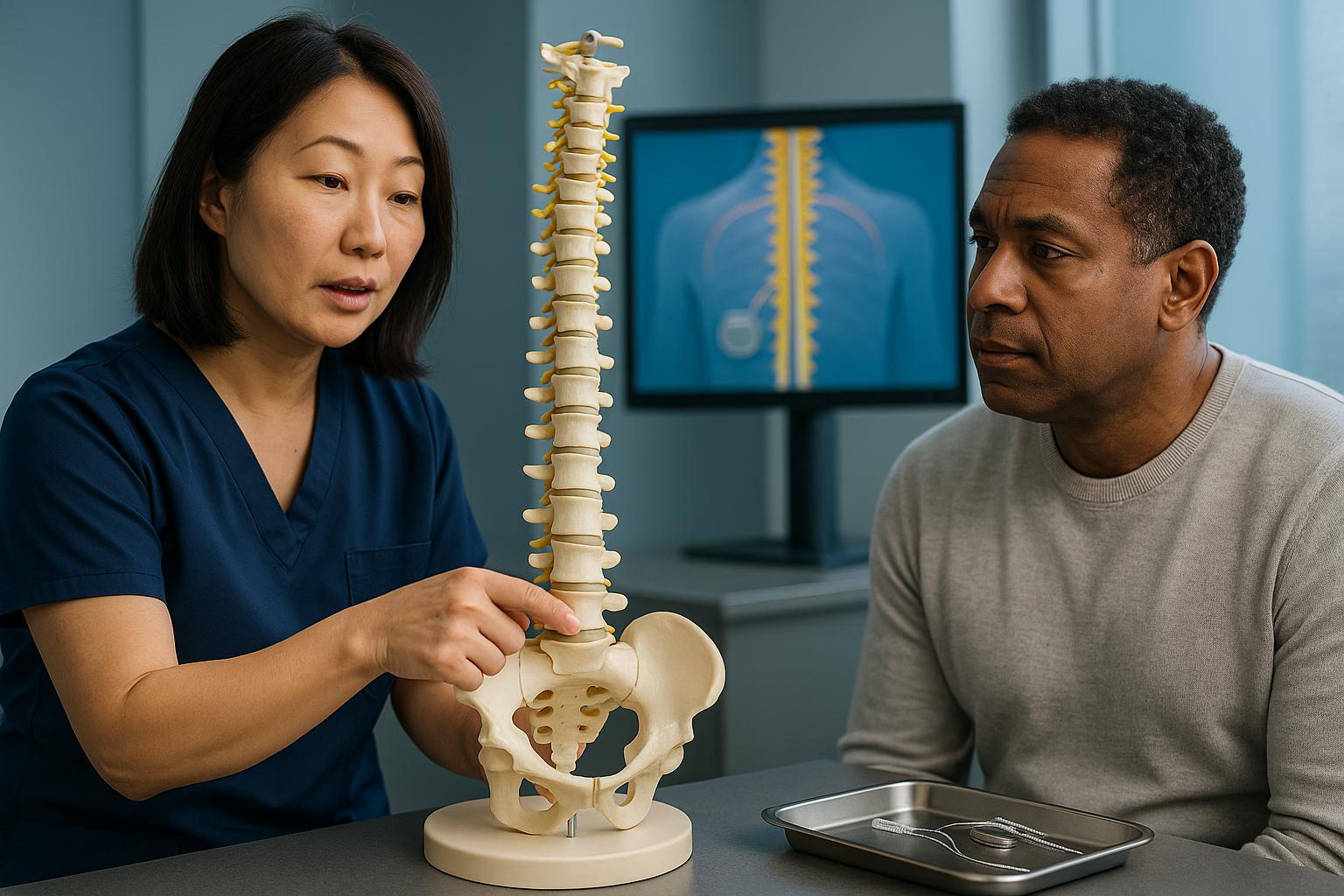
Epidural stimulation represents an emerging intervention that may restore some motor functions in complete SCI. This technology delivers electrical stimulation to the spinal cord below the injury level, potentially enabling movements that were previously impossible.
Recent studies demonstrate that activity-based training combined with epidural stimulation can achieve stand-based independent extension in some participants with motor-complete injuries. This represents a significant functional gain, as standing ability affects transfers, reaching, and physiological health.
Research shows that individuals with complete SCI achieved independent standing and autonomic improvements using epidural stimulation over twelve months. Three participants in one pilot study demonstrated these gains, suggesting potential for meaningful functional recovery even in complete injuries.
The mechanism involves modulating neural drives to restore more natural muscle activation patterns. Epidural stimulation does not repair the spinal cord but rather facilitates residual neural pathways below the injury level. When combined with intensive task-specific training, this approach can enable functional movements.
These interventions remain investigational and are not widely available. Patient selection, stimulation parameters, and training protocols all require careful optimization. Not all individuals respond equally, and the extent of functional gain varies.
When evaluating cases involving these technologies, I consider both demonstrated outcomes and realistic expectations. Current evidence shows promise for specific functions like standing and stepping, but comprehensive independence restoration remains beyond current capabilities. These interventions represent one component of a broader rehabilitation approach rather than a complete solution.
My Approach to Functional Independence Assessment
As a physiatrist with specialized board certifications in SCI and brain injury medicine, combined with legal training, I approach functional independence evaluation differently than most medical experts. For those needing objective medical-legal support, my medical-legal consulting services offer comprehensive expertise in these assessments.
My dual DO and JD credentials allow me to assess not just what a patient can physically accomplish, but how those capabilities translate into legal and care planning contexts. Drawing on my combined medical and legal training—including specialized SCI fellowship training and years of physiatric practice—I’ve found that accurate functional assessment requires understanding both rehabilitation science and the documentation standards that legal proceedings demand.
“From my unique perspective with both medical and legal training, I can translate complex medical findings into precise documentation that clearly establishes functional limitations for both plaintiff and defense teams.”
I provide objective analysis for attorneys, physicians, and litigants who need clear answers about independence potential after SCI. My assessments focus on measurable outcomes, realistic timelines, and evidence-based projections rather than subjective impressions. This approach serves both plaintiffs seeking fair damage assessment and defendants requiring thorough, defensible medical analysis.
Whether conducting independent medical examinations or providing expert testimony, I emphasize functional capabilities that directly affect long-term care needs and quality of life.
Conclusion
In summary, functional independence after SCI depends on injury level, physical capacity, psychological factors, and access to structured rehabilitation. Evidence demonstrates that feeding independence and pressure injury prevention correlate strongly with psychological well-being, while body composition and time since injury influence long-term outcomes.
Emerging interventions like epidural stimulation restore muscle synergies and enable functional tasks previously impossible in complete injuries. As a physician and attorney, I assess both medical capabilities and their legal implications when evaluating independence potential. Accurate documentation of functional status affects care planning, resource allocation, and damage assessment in litigation contexts.
Based in Reno, Nevada, Ciammaichella Consulting Services, PLLC provides specialized medical-legal services across multiple licensed states including California and Texas. I am available for record review, independent medical examinations, and expert testimony to support complex SCI cases requiring comprehensive functional assessment.
I invite you to request a consultation today to discuss how my triple board certification and dual medical-legal training can clarify functional independence questions in your SCI case. Whether you need an objective assessment for case planning or expert testimony regarding independence potential, my approach provides evidence-based analysis that serves both medical clarity and legal documentation requirements.
This article is for educational purposes only and should not be used as a substitute for professional medical advice, diagnosis, or treatment. Always seek the advice of your physician or other qualified healthcare provider with any questions you may have regarding a medical condition or treatment options. Never disregard professional medical advice or delay in seeking it because of something you have read in this article.
Frequently Asked Questions
What activities define functional independence after spinal cord injury?
Functional independence includes feeding, dressing, bathing, toileting, transferring between surfaces, and safe mobility within your environment. These activities of daily living determine whether you require physical assistance from another person.
Independence levels vary based on injury location and completeness. Some individuals achieve full independence with adaptive equipment, while others require assistance despite regaining some motor function. Assessment tools like the Spinal Cord Independence Measure quantify these capabilities objectively.
How do physicians predict long-term independence potential after SCI?
I evaluate injury level, motor scores, sensory preservation, and body composition as primary predictors. Early rehabilitation response provides important prognostic information, though individual outcomes vary. Physical capacity metrics like arm strength and trunk stability affect sustained independence over time.
Psychological factors, social support, and equipment access also influence long-term trajectories. Predictions remain probabilistic rather than absolute, requiring ongoing assessment as recovery progresses and secondary complications emerge.
Can epidural stimulation restore independence in complete spinal cord injuries?
Epidural stimulation combined with intensive training has enabled independent standing and improved autonomic function in some individuals with complete injuries. This technology modulates neural pathways below the injury level rather than repairing the spinal cord itself.
Current evidence shows promise for specific functions like standing and stepping, but comprehensive independence restoration remains beyond current capabilities. Patient selection, stimulation parameters, and training protocols require careful optimization. These interventions represent one component of rehabilitation rather than a complete solution.
About the Author
Dr. Ellia Ciammaichella, DO, JD, is a triple board-certified physician specializing in Physical Medicine & Rehabilitation, Spinal Cord Injury Medicine, and Brain Injury Medicine. With dual degrees in medicine and law, she offers a rare, multidisciplinary perspective that bridges clinical care and medico-legal expertise. Dr. Ciammaichella is a nationally recognized medical-legal consultant specializing in spinal cord injuries, traumatic brain injuries, and strokes. As both a practicing physiatrist and licensed attorney, she bridges clinical rehabilitation expertise with the analytical and documentation standards required in legal proceedings. A respected independent medical examiner (IME) and expert witness, she is known for thorough, ethical evaluations and clear, courtroom-ready testimony. Through her writing, she advocates for patient-centered care, disability equity, and informed decision-making in both medical and legal settings.