What Is Power Slap Brain Damage? A Dual Medical-Legal Perspective
By Dr. Ellia Ciammaichella, DO, JD — Triple Board-Certified in PM&R, Spinal Cord Injury, and Brain Injury Medicine
Quick Insights
Power slap brain damage refers to traumatic brain injuries—such as concussions—caused by full-force open-hand strikes in slap fighting. Most cases arise when participants are defenseless; immediate recognition is critical to prevent lasting neurological harm and mitigate future legal and liability implications.
Key Takeaways
- Observable concussion signs occur in nearly 80% of power slap matches, posing significant risk of traumatic brain injury.
- Over half of fights with visible brain injury signs continue without adequate medical assessment, raising legal concerns.
- Medical studies confirm slap fighting induces both immediate and potentially long-term neurological damage.
- Emerging studies highlight the risks associated with slap fighting, indicating a need for more developed legal and clinical protocols to manage related injuries.
Why It Matters
Power slap brain damage carries profound consequences—not just for participant brain health, but for the legal defensibility of sporting events and medical casework. Understanding these risks enables attorneys and clinicians to make informed, evidence-based decisions that protect clients, mitigate liability, and ensure timely intervention.
Introduction
As a triple board-certified physician and attorney, I confront questions about power slap brain damage daily from both clinical and legal colleagues.
Power slap brain damage is a form of traumatic brain injury resulting from full-force, open-handed strikes delivered in slap fighting matches; these injuries, often occurring when a participant is defenseless, pose immediate and long-term risks that extend beyond medical treatment into legal considerations.
Medical professionals should strive to recognize and document such injuries for appropriate management, while legal practitioners may need to assess causation and liability with precision—particularly as regulations continue to evolve.
Dual qualifications as a Doctor of Osteopathic Medicine and Juris Doctor (DO/JD) enable me to bridge medical evidence and legal standards, offering an objective vantage on how documentation and diagnosis shape both clinical outcomes and case disposition.
Research demonstrates that observable signs of suspected concussion occur in nearly 80% of slap fighting matches, establishing an urgent need for careful, defensible assessment protocols.
Understanding these complexities is critical for anyone seeking clarity on evidence standards and real-world consequences in Reno and across multiple jurisdictions.
Understanding Power Slap and Brain Injury
Power slap brain damage is a specific form of traumatic brain injury (TBI) that arises from the unique mechanics of slap fighting. In these matches, participants deliver open-handed, full-force strikes to the face, often while the recipient is defenseless. This scenario creates a high risk for both immediate and cumulative neurological harm.
Definition of Power Slap
Power slap refers to a regulated or exhibition contest in which two individuals alternately strike each other’s faces with open hands, aiming to incapacitate or outlast the opponent. Unlike other combat sports, the recipient is not permitted to defend or evade, which amplifies the risk of injury.
What Happens During a Match?
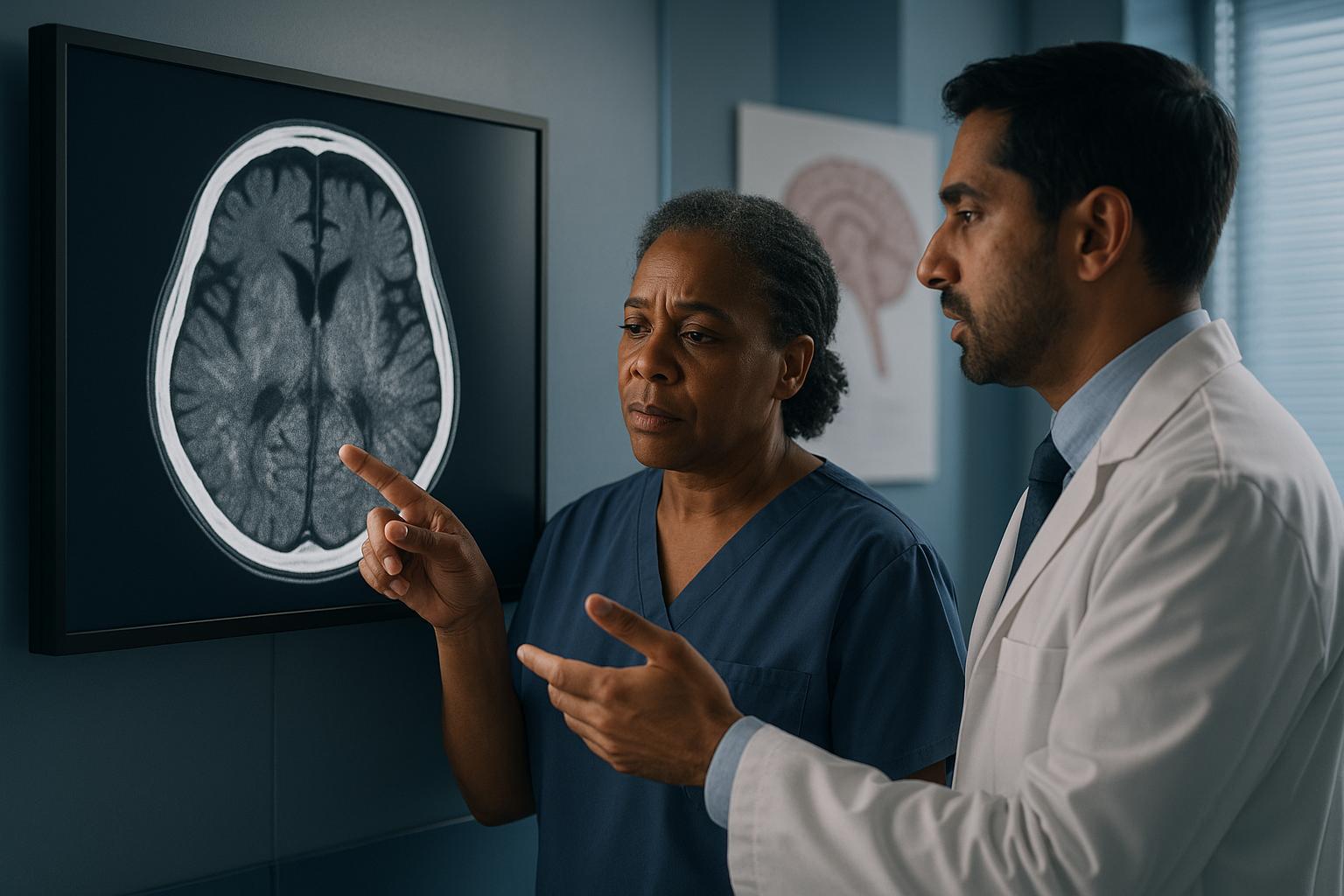
During a typical match, the forceful impact to the head can cause the brain to move rapidly within the skull, resulting in concussions (a type of mild traumatic brain injury) or more severe forms of TBI.
Observable signs—such as loss of consciousness, motor incoordination, or vacant stares—are frequently documented. Physicians and legal consultants may encounter cases where signs of injury are missed or inadequately documented, potentially complicating both clinical care and legal proceedings.
Detailed functional assessments, beyond basic diagnosis, are often considered essential for accurately delineating damages in legal proceedings involving spinal cord and brain injuries. Nuanced reporting may be pivotal when assessing injuries sustained during high-risk activities such as slap fighting.
When to Seek Medical Attention
If a participant experiences loss of consciousness, persistent confusion, or repeated vomiting after a slap fighting event, immediate evaluation by a physician is essential.
What Does the Research Show?
Recent peer-reviewed studies have established that power slap brain damage is not merely theoretical but a documented phenomenon. The first academic study of its kind found that observable signs of suspected concussion occurred in 79.1% of slap fighting matches, with an average of 1.41 concussion signs per fight and 0.31 per slap. This high incidence rate is corroborated by additional research, which identified visible signs of brain injury in up to 80% of participants in the initial academic analysis.
Key findings include:
- Over half of matches with concussion signs continued without medical intervention.
- The most common signs were loss of responsiveness, motor incoordination, and vacant stares.
- These findings are consistent across multiple studies, including those published by UPMC and in JAMA Surgery which detail the trauma observed in participants.
Professionals with both medical and legal training may translate complex medical findings into precise documentation that clearly establishes functional limitations for both plaintiff and defense teams. This ability is especially vital given the high rates of overlooked symptoms reported in the current literature.
Findings from these studies underscore the need for safety regulations and monitoring in slap fighting. The lack of immediate recognition and intervention may endanger participant health and create significant challenges for legal professionals tasked with establishing causation and liability.
Additional research has highlighted that the risk profile in slap fighting is distinct from other sports, with a higher proportion of matches resulting in observable neurological impairment. The medical community has called for further studies to refine clinical management and return-to-play guidelines based on peer-reviewed evidence.
Why Is Power Slap Dangerous?
The inherent danger of power slap lies in the mechanism of injury. Unlike traditional combat sports, participants are required to remain stationary and defenseless, which maximizes the force transmitted to the brain. This lack of defensive movement increases the likelihood of both acute and cumulative brain trauma.
Head Trauma Mechanisms
The primary mechanism involves rotational acceleration and deceleration of the brain, which can cause diffuse axonal injury—a type of damage that disrupts neural pathways. These injuries often present with subtle neurological deficits that may be overlooked without specialized assessment.
Based on treating numerous patients with traumatic brain injury—including those arising from both sports and non-sports mechanisms—I can attest that prompt clinical suspicion and early detection are critical, especially since many symptoms manifest subtly after the initial trauma.
Comparisons with Other Combat Sports
Compared to boxing or mixed martial arts, where athletes can block or evade blows, slap fighting’s rules create a unique risk environment. Expert recommendations emphasize that the absence of defensive maneuvers significantly augments the risk of brain injury. The consensus among neurologists is that even a single unprotected blow can result in significant neurological impairment.
From my perspective as a triple board-certified physiatrist, while some practitioners focus primarily on immediate symptoms, my assessment extends to cumulative exposures and their medico-legal significance, especially in activities with inherently higher risk profiles like power slap.
Long-Term Consequences
The long-term consequences of power slap brain damage are not yet fully understood, but early evidence suggests a substantial risk for chronic neurological conditions. Studies indicate that repeated concussive and sub-concussive impacts may lead to persistent cognitive, behavioral, and emotional changes.
Chronic Risks
Potential chronic outcomes include post-concussion syndrome, chronic traumatic encephalopathy (CTE), and progressive neurodegenerative disorders. In my role as a brain injury specialist, I have seen litigants present with memory loss, mood disturbances, and executive dysfunction months or years after initial exposure. Research underscores that these risks are not hypothetical; slap fighting may induce traumatic brain injury with lasting effects.
Having worked with numerous spinal cord injury and brain injury cases, I’ve found that accurate functional assessment and documentation are equally valuable for plaintiffs seeking fair compensation and defendants requiring objective analysis—especially in cases of subtle, delayed, or cumulative neurological sequelae.
Guideline Recommendations
Current expert opinion calls for the development of formal clinical management protocols and strict return-to-play criteria. Guidance is especially needed to prevent premature return to competition, which can exacerbate brain injury. I advise both clinicians and legal professionals to advocate for comprehensive post-injury monitoring and documentation.
Clinical & Legal Implications
The intersection of clinical management and legal responsibility in power slap brain damage cases is complex. From a medical standpoint, early identification and thorough documentation of neurological signs are paramount. Legally, the failure to recognize or act upon these signs can have significant implications for liability and case disposition.
Medical Management
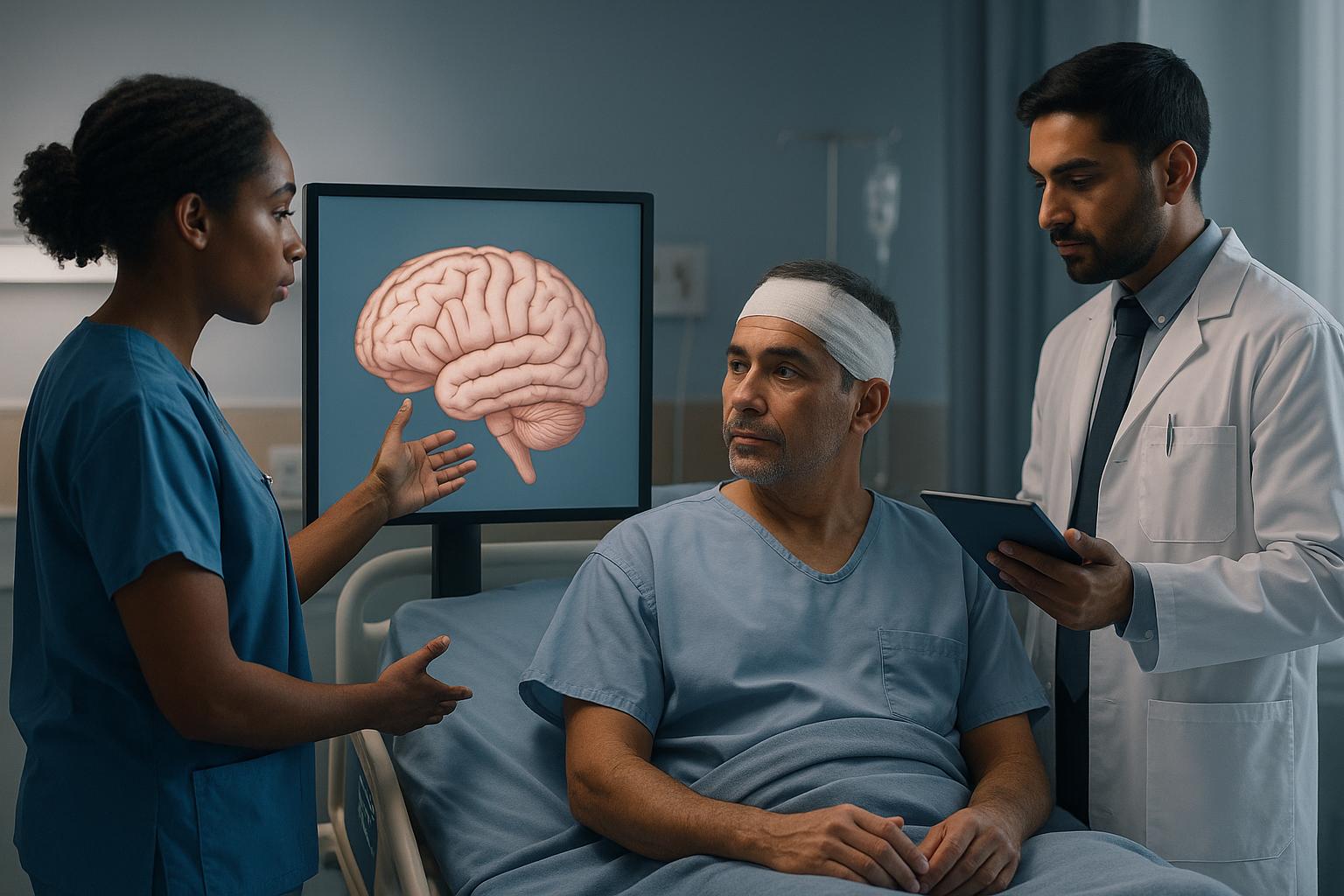
Effective management requires immediate removal from competition, detailed neurological assessment, and ongoing monitoring. In my practice, I prioritize objective documentation—such as video analysis and standardized concussion checklists—to support both clinical care and legal review. The absence of such protocols has been linked to continued participation despite clear signs of concussion in over half of reviewed matches.
While some medical experts focus solely on diagnosis, my approach emphasizes comprehensive functional assessment that provides all parties—physicians, attorneys, and litigants—with clear, accessible documentation of impairments. This methodology has proven especially impactful in high-stakes civil matters where both causation and extent of damage require clear, unbiased articulation.
Legal Perspective in Injury Cases
From a legal perspective, the adequacy of medical response and documentation directly influences the outcome of litigation. I routinely provide expert analysis to clarify the causal relationship between observed injuries and subsequent impairment, supporting both defense and plaintiff teams with impartial, evidence-based opinions.
The dual medical-legal approach is essential for delineating damages and ensuring that complex medical concepts are accessible to all parties as recognized in expert commentary.
From my dual vantage as both a DO and JD, I am uniquely positioned to assist litigants in complex cases—ensuring medical evidence presented in court withstands scrutiny, and that functional limitations are translated into language understandable to juries, legal teams, and insurers alike.
For attorneys, insurers, and healthcare professionals seeking advanced medical-legal services for brain injury assessment and litigation support, my practice delivers expertise that bridges clinical evaluation with rigorous legal standards.
Expert Consultation & Services
Given the evolving landscape of power slap brain damage, access to specialized consultation is critical for both clinical and legal professionals. My services include independent medical examinations (IMEs), second opinions, and telehealth evaluations across multiple states.
IMEs and Second Opinions
I offer IMEs and second opinions that integrate objective clinical findings with legal standards, ensuring that reports are defensible and tailored to the needs of attorneys and insurers. My dual credentials enable me to translate complex neurological findings into clear, actionable recommendations.
In many cases, the difference between a successful resolution and a protracted dispute comes down to the clarity and thoroughness of the medical-legal report. My background in both neurorehabilitation and law empowers me to deliver reports that meet the evidentiary standards required for high-stakes litigation or settlement negotiations.
Telehealth Across States
Through telemedicine, I provide timely assessments and consultations for clients in over ten states, facilitating access to expert evaluation regardless of location. This model supports both urgent clinical needs and the demands of multi-jurisdictional legal cases.
My Approach to Patient Care and Expertise
Delivering clarity and confidence to both medical and legal professionals navigating the complexities of power slap brain damage is central to my practice. My dual qualifications as a physician and attorney, combined with triple board certification in Physical Medicine & Rehabilitation, Spinal Cord Injury Medicine, and Brain Injury Medicine, uniquely position me to address the nuanced intersection of clinical evidence and legal standards.
In my Reno-based practice, I emphasize rigorous, evidence-based assessment protocols and comprehensive documentation. This approach ensures that every evaluation—whether for a litigant, attorney, or fellow physician—meets the highest standards of objectivity and defensibility. My experience spans numerous cases involving traumatic brain injury, with a focus on translating subtle neurological findings into actionable, legally sound reports.
I am committed to ongoing professional development, including participation in academic research, continuing education, and expert witness training. This dedication allows me to remain at the forefront of evolving clinical guidelines and medico-legal best practices.
Ultimately, my goal is to provide impartial, research-backed guidance that supports optimal outcomes for all parties involved in power slap brain damage cases, reinforcing the importance of timely recognition and thorough documentation.
Power Slap Brain Damage Assessment and Legal Consulting in Reno
As a physician based in Reno, I recognize the unique challenges and opportunities presented by power slap brain damage within the local community. Reno’s active sporting culture and proximity to major event venues increase the relevance of traumatic brain injury assessment and legal consulting for both medical and legal professionals.
My practice serves as a regional hub for advanced neurological evaluation and expert witness services, supporting local physicians, attorneys, claims adjusters, and litigants. The distinct legal landscape in Nevada, combined with Reno’s access to specialized healthcare resources, underscores the importance of having a dual-qualified DO/JD available for both immediate clinical assessment and comprehensive damage delineation.
I also offer telemedicine consultations and independent medical examinations (IMEs) across multiple states, including Texas, California, and beyond, ensuring that clients in Reno and throughout the region benefit from timely, authoritative expertise. This multi-state licensure enhances my ability to address complex, cross-jurisdictional cases while maintaining a strong local presence.
If you are a Reno-based attorney, physician, or litigant seeking defensible, research-driven analysis of power slap brain damage, I invite you to schedule a virtual second opinion or request an IME consultation. My commitment is to deliver clarity, objectivity, and actionable recommendations tailored to the needs of the Reno community and beyond.
Conclusion
Power slap brain damage represents a significant risk of traumatic brain injury, with nearly 80% of participants exhibiting observable signs of concussion. In summary, the dual medical-legal implications are profound: prompt clinical recognition and thorough documentation are essential for both optimal patient outcomes and defensible legal casework.
My unique qualifications as a triple board-certified physician and attorney enable me to deliver objective, research-backed assessments that clarify causation, delineate damages, and withstand legal scrutiny.
Based in Reno, I provide specialized services across multiple states including Texas, California, and Colorado, through both telemedicine and in-person consultations. I am willing to travel as an expert witness, ensuring that clients with complex cases receive comprehensive, accessible expertise wherever they are located.
I invite you to schedule a consultation TODAY to secure timely medical evaluation and ensure robust legal documentation. Prompt action not only improves recovery prospects but also strengthens your legal position, offering peace of mind and confidence during challenging circumstances. For further clinical recommendations and research, see the UPMC summary of clinical guidelines.
This article is for educational purposes only and should not be used as a substitute for professional medical advice, diagnosis, or treatment. Always seek the advice of your physician or other qualified healthcare provider with any questions you may have regarding a medical condition or treatment options. Never disregard professional medical advice or delay in seeking it because of something you have read in this article.
Frequently Asked Questions
What is power slap brain damage and how is it identified?
Power slap brain damage refers to traumatic brain injuries, such as concussions, resulting from open-handed strikes in slap fighting. It is identified by signs like loss of consciousness, motor incoordination, or vacant stares. Early recognition and documentation by a physician are critical, as research shows nearly 80% of participants display observable symptoms during matches.
How can I access your expertise if I am not located in Reno?
You can access my specialized brain injury assessment and consulting services through telemedicine across multiple states, including Texas, California, and Colorado. I also travel for in-person evaluations and expert witness testimony. This multi-state model ensures that individuals and legal professionals receive timely, high-quality analysis regardless of location.
How does thorough medical documentation impact legal outcomes in power slap brain injury cases?
Thorough medical documentation is essential for establishing causation, delineating damages, and supporting or defending legal claims. My dual training in medicine and law ensures that every report meets evidentiary standards, translating complex neurological findings into clear, objective language that is accessible to attorneys, claims professionals, and courts.
About the Author
Dr. Ellia Ciammaichella, DO, JD, is a triple board-certified physician specializing in Physical Medicine & Rehabilitation, Spinal Cord Injury Medicine, and Brain Injury Medicine. With dual degrees in medicine and law, she offers a rare, multidisciplinary perspective that bridges clinical care and medico-legal expertise. Dr. Ciammaichella helps individuals recover from spinal cord injuries, traumatic brain injuries, and strokes—supporting not just physical rehabilitation but also the emotional and cognitive challenges of life after neurological trauma. As a respected independent medical examiner (IME) and expert witness, she is known for thorough, ethical evaluations and clear, courtroom-ready testimony. Through her writing, she advocates for patient-centered care, disability equity, and informed decision-making in both medical and legal settings.