What Does Neurologic Level Mean in Spinal Cord Injury? Definition, Testing, and Impact on Daily Life
By Dr. Ellia Ciammaichella, DO, JD, Triple Board-Certified in Physical Medicine & Rehabilitation, Spinal Cord Injury Medicine, and Brain Injury Medicine
Quick Insights
Neurologic level injury defines the lowest point on the spinal cord with normal movement or sensation after injury. This classification guides immediate care, rehabilitation planning, and shapes legal case strategies for spinal cord injury outcomes.
Key Takeaways
- The neurologic level is determined by detailed sensory and motor tests after spinal cord injury.
- ISNCSCI (ASIA) standards ensure consistency in assessment and reporting by medical experts.
- Mid-thoracic SCI typically affects the trunk and legs but spares the arms, whereas cervical injuries may result in loss of arm and leg movement.
- Dr. Ellia serves clients throughout Nevada, Texas, California, and multiple states via telemedicine.
Why It Matters
Understanding the neurologic level injury helps both patients and legal teams in Reno clarify what functions may be lost or preserved after spinal cord injury. This knowledge supports informed care decisions, realistic rehab goals, and builds strong, objective medical-legal arguments for case review or litigation needs.
Introduction
As a dual-qualified DO/JD physician-attorney, I approach every neurologic level injury case in Reno with both clinical precision and legal insight.
Neurologic level injury is defined as the lowest segment of the spinal cord where both sensory and motor function are preserved after trauma. In practical terms, this designation determines which movements and sensations remain possible below the site of injury, guiding immediate treatment, rehabilitation strategies, and the foundation for legal analysis of damages.
For both patients and litigants, understanding what a neurologic level injury is essential for setting realistic expectations about function and recovery, as well as for supporting objective, defensible legal claims.
Research demonstrates that neurologic level of injury is a key determinant of long-term outcomes, influencing everything from rehabilitation planning to the quantification of loss for legal proceedings. This is especially relevant in Reno, where thorough documentation can impact both clinical care and litigation.
Clarity at this intersection empowers you to make informed decisions and ensures robust, fair case assessments from the outset.
What Does Neurologic Level Mean in Spinal Cord Injury?
Basic Definition
The neurologic level of injury (NLI) is defined as the lowest segment of the spinal cord where both sensory and motor function are preserved. In other words, it is the last spinal level at which normal movement and sensation exist after a spinal cord injury (SCI).
This designation is not simply anatomical; it is determined by a detailed clinical examination, not by imaging alone. The NLI is central to understanding which body functions may be lost or retained after injury.
Precise identification of the NLI is essential for clinical management, providing a standardized reference point for assessments and treatment plans. Its role in legal casework may also be significant. In my 15+ years of practice evaluating individuals with spinal cord and brain injuries, detailed functional assessment, beyond basic diagnosis, is often considered important for accurately delineating damages in legal contexts.
This goes far beyond what imaging can reveal and often becomes the pivotal factor in court cases and settlement discussions.
SCI and Neurologic Terms Explained
SCI refers to any damage to the spinal cord that results in loss of function, such as movement or sensation. The spinal cord is divided into cervical, thoracic, lumbar, and sacral segments. Each segment controls specific muscles and sensory areas. The NLI is determined by testing these segments for preserved function.
For example, if a person has normal function at the C7 level but not at C8, the NLI is C7. This classification is critical for predicting outcomes and for communicating findings in both medical and legal settings. I often explain to legal teams that the NLI is the foundation for quantifying damages and setting realistic expectations for recovery.
Reno residents and legal professionals should understand that the NLI may change over time as swelling resolves or as recovery progresses. This dynamic nature underscores the importance of serial examinations and thorough documentation.
From my unique perspective with both medical and legal training, I can translate complex medical findings into precise documentation that clearly establishes functional limitations for both plaintiff and defense teams.
How Neurologic Level Is Determined
Standard Assessment Tools (ASIA/ISNCSCI)
The neurologic level is determined using the International Standards for Neurological Classification of Spinal Cord Injury (ISNCSCI), also known as the ASIA exam. This standardized assessment evaluates both sensory and motor function at each spinal segment. The ISNCSCI exam is the gold standard for classifying SCI and is used worldwide to ensure consistency in diagnosis and reporting.
In my practice, I rely on the ISNCSCI exam to provide objective, reproducible results that can withstand scrutiny in both clinical and legal contexts. The exam includes:
- Testing light touch and pinprick sensation at key points on both sides of the body
- Assessing muscle strength in specific muscle groups
- Determining whether the injury is complete (no function below the level) or incomplete (some function remains)
Research demonstrates that standardized neurological exams are essential for accurate diagnosis and prognosis.
Sensory and Motor Testing
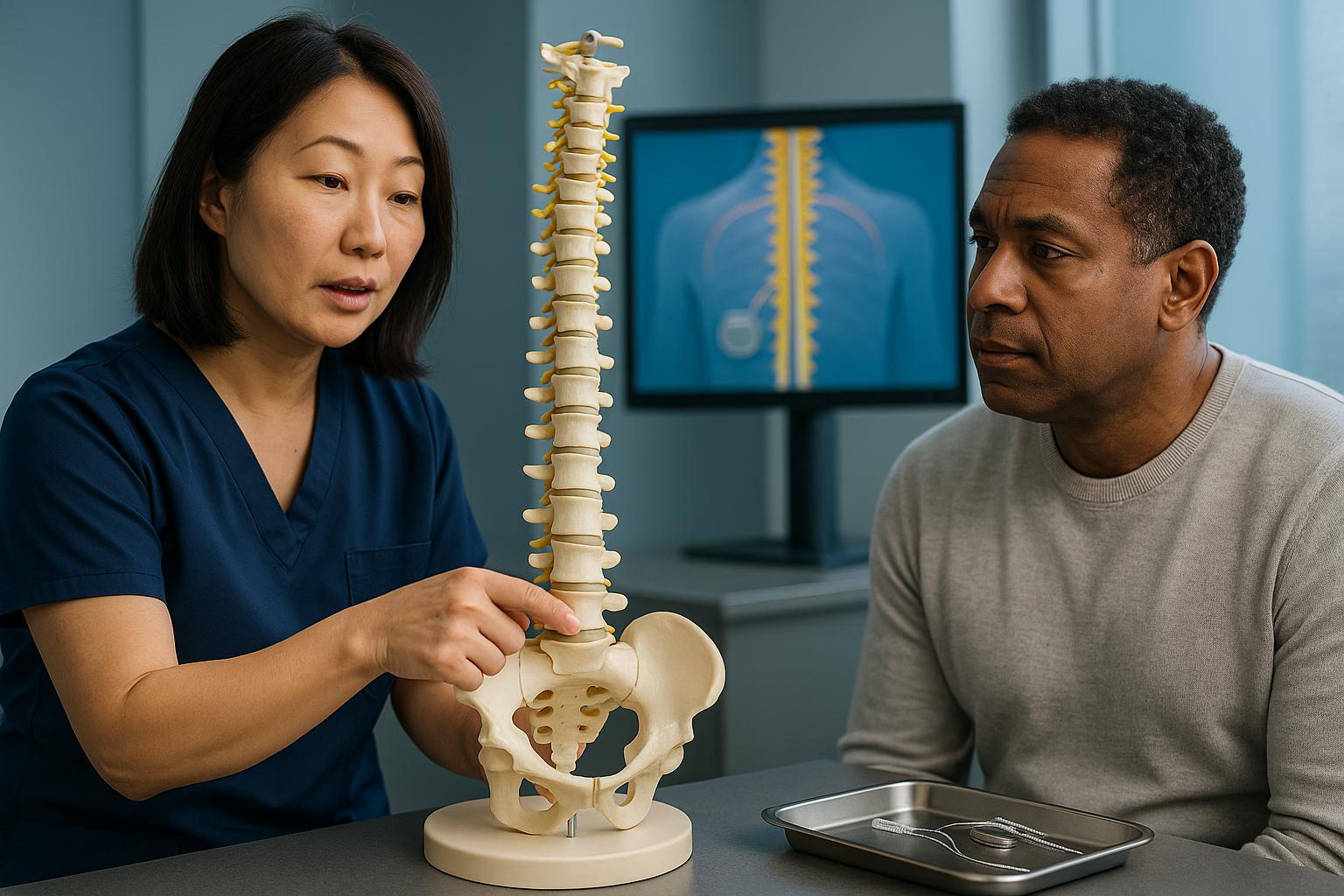
Sensory testing involves checking the ability to feel light touch and pinprick at each dermatome (skin area supplied by a single spinal nerve). Motor testing assesses the strength of key muscles corresponding to each spinal segment. The lowest level where both sensory and motor function are normal is recorded as the NLI.
I have observed that meticulous sensory and motor testing is crucial for identifying subtle differences that may impact both rehabilitation and legal outcomes. For instance, a difference in injury level can change the classification from paraplegia to tetraplegia, which has significant implications for care and compensation.
According to current clinical guidelines, the ISNCSCI exam should be performed as soon as possible after injury and repeated regularly to track changes.
How is neurologic level determined?
The neurologic level is determined by systematically testing sensory and motor function at each spinal segment using the ISNCSCI (ASIA) exam, and recording the lowest level with normal findings.
Functional Importance of Neurologic Level
Impact on Movement and Sensation
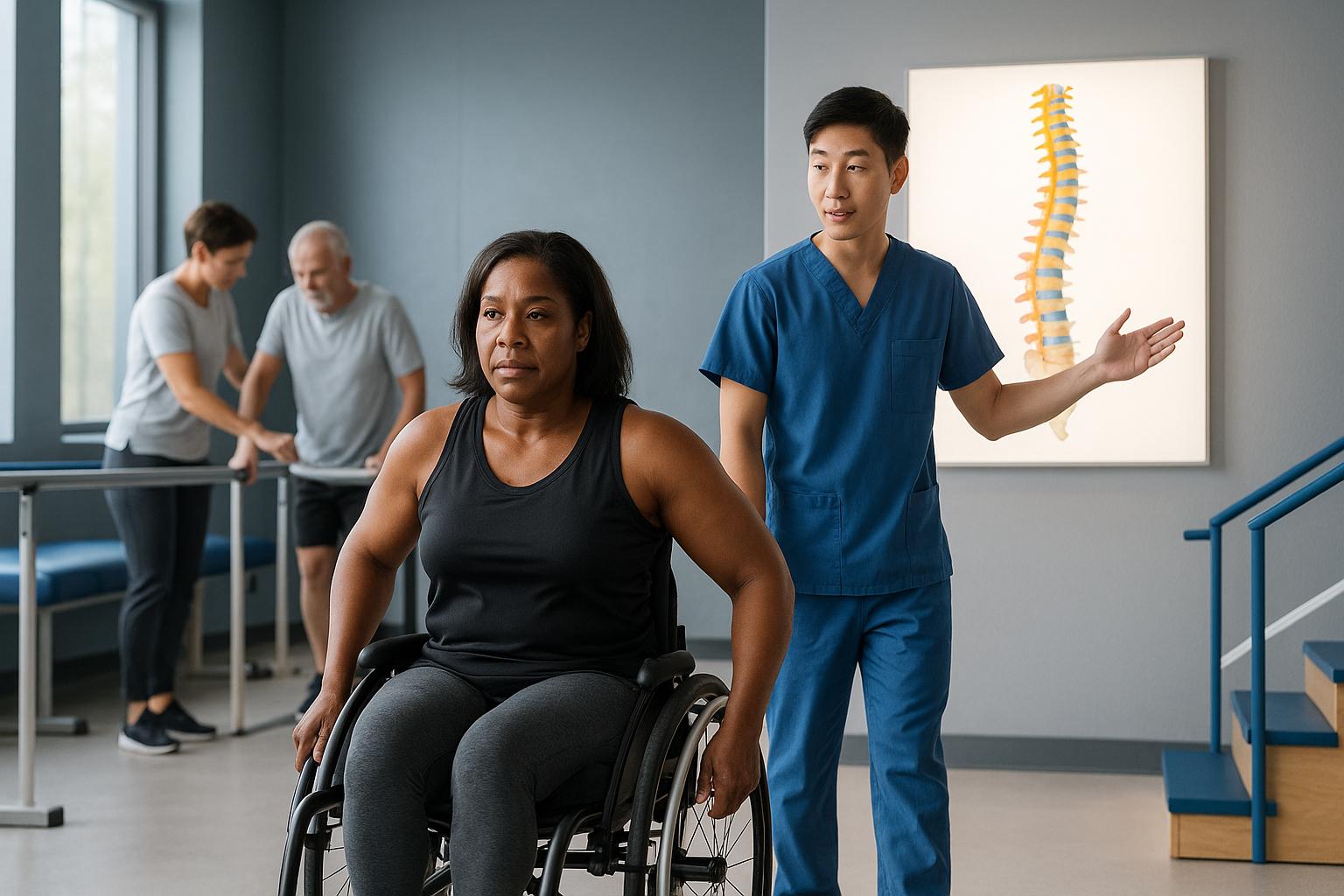
The NLI directly determines which muscles and sensory areas remain functional after SCI. For example, a cervical injury may result in loss of arm and leg movement, while a thoracic injury typically affects the trunk and legs but spares the arms. The higher the injury, the greater the loss of function.
In my experience, understanding the NLI allows me to set realistic rehabilitation goals and anticipate complications. For legal teams, this information is vital for quantifying damages and projecting future care needs.
Research indicates that the neurologic level is a key prognostic factor for long-term outcomes, influencing everything from mobility to independence in daily activities. Based on treating hundreds of patients with spinal cord injury, I’ve found that accurate functional assessment and documentation are equally valuable for plaintiffs seeking fair compensation and defendants requiring objective analysis.
Maintaining objectivity ensures that the functional impairment is well understood by everyone involved, regardless of which side seeks my opinion.
Influence on Treatment and Recovery Potential
The NLI not only guides immediate medical management but also shapes the entire rehabilitation process. Early interdisciplinary care is essential to protect neural tissue and optimize recovery. I emphasize to both patients and litigants that while some recovery is possible, the extent depends largely on the initial NLI and whether the injury is complete or incomplete.
Recent studies show that rehabilitation strategies leveraging neuroplasticity—the brain and spinal cord’s ability to adapt—can improve outcomes, especially when started early.
Exercise interventions tailored to the NLI have demonstrated measurable benefits in functional recovery and cardiovascular health.
I always counsel clients in Reno that, despite advances, no neuroprotective or neuroregenerative therapy is currently approved, so expectations must be grounded in current evidence. While some practitioners prefer to offer optimistic timelines based on general averages, my experience has shown that anchoring expectations to the individual’s neurologic level and explaining the reasoning to both medical and legal stakeholders consistently results in better alignment of goals and satisfaction with outcomes.
When to Seek Medical Attention
If you or someone you know experiences sudden loss of movement, sensation, or bladder/bowel control after trauma, seek immediate evaluation by a physician. Early intervention can be critical for preserving function.
Examples: Mid-Thoracic and Other SCI Levels
Mid-Thoracic SCI in Practice
A mid-thoracic SCI (typically T6–T8) often results in paralysis and loss of sensation below the chest, but arm and hand function remain intact. In my clinical and consulting work, I have seen that these injuries frequently lead to significant challenges with mobility, trunk control, and autonomic functions such as blood pressure regulation.
Research confirms that mid-thoracic injuries are associated with a lower likelihood of substantial neurologic recovery compared to cervical injuries, and often require longer rehabilitation stays.
In my role as a triple board-certified physiatrist, I am often called upon to provide integrated medical assessment and legal expert witness services for spinal cord injury cases that arise with injuries at the mid-thoracic level.
While some families assume that sparing the arms means a “better” prognosis, I clarify that issues such as impaired trunk stability and blood pressure control may require complex, ongoing management—an important detail in both rehab planning and legal damages evaluations.
Comparing Cervical, Thoracic, and Lumbar Levels
- Cervical SCI: May cause tetraplegia (loss of function in all four limbs)
- Thoracic SCI: Typically results in paraplegia (loss of function in legs and lower trunk)
- Lumbar SCI: Affects legs and pelvic organs, but trunk and arm function are preserved
In my experience, the functional classification of SCI is not only critical for rehabilitation but also for legal analysis of damages. For example, a cervical injury may necessitate lifelong attendant care, while a lumbar injury may allow for greater independence.
Recent drug trials, such as those summarized in 2025 late-breaking science abstracts, are exploring new therapies, but current management remains focused on maximizing function based on the NLI.
While some medical experts focus solely on diagnosis, my approach emphasizes comprehensive functional assessment that provides all parties—physicians, attorneys, and litigants—with clear, accessible documentation of impairments.
This unique perspective, developed by bridging the gap between physical medicine and the legal system, allows for more thorough, fair, and actionable expert opinions to support both rehabilitation and case resolution.
For individuals in Reno and beyond, understanding these distinctions is essential for both medical planning and legal casework.
My Approach to Patient Care
Patient care in spinal cord injury requires a meticulous, evidence-based approach that integrates both clinical and legal perspectives. As a physician with dual qualifications in medicine and law, I am committed to providing objective, comprehensive assessments that serve the needs of both patients and legal professionals.
My practice is grounded in the latest clinical guidelines and the International Standards for Neurological Classification of Spinal Cord Injury (ISNCSCI), ensuring that every evaluation is both medically sound and legally defensible. I emphasize the importance of detailed functional assessments, as these are critical for accurate rehabilitation planning and for establishing the extent of damage in legal contexts.
With triple board certification in Physical Medicine & Rehabilitation, Spinal Cord Injury Medicine, and Brain Injury Medicine, I bring a unique depth of expertise to each case. My experience spans direct patient care, expert witness testimony, and independent medical examinations across multiple states.
By maintaining a high standard of documentation and clear communication, I help patients, attorneys, and claims professionals understand the implications of neurologic level injury. This approach ensures that all parties are equipped to make informed decisions, whether the goal is optimal recovery or a fair legal resolution.
Spinal Cord Injury Assessment and Legal Consulting in Reno
Reno presents unique opportunities and challenges for individuals and legal teams dealing with neurologic level injury. As a physician based in Reno, I am acutely aware of the local healthcare infrastructure and the importance of timely, accurate assessment for both medical and legal outcomes.
The region’s diverse population and access to specialized rehabilitation resources mean that patients and litigants in Reno can benefit from a comprehensive, multidisciplinary approach. My practice serves as a hub for both in-person and telemedicine consultations, allowing me to provide expert analysis and support to clients not only in Nevada but also across multiple licensed states.
Local factors, such as the availability of advanced rehabilitation centers and the prevalence of traumatic injuries related to outdoor activities, can influence both the presentation and management of spinal cord injuries. I work closely with local physicians, attorneys, and claims professionals to ensure that each case receives individualized attention and that all documentation meets the highest standards for both clinical care and legal proceedings.
If you are in Reno and require a detailed assessment of neurologic level injury for rehabilitation planning or legal casework, I invite you to schedule a consultation for a virtual second opinion or an independent medical evaluation.
Conclusion
A neurologic level injury, by definition, is the lowest point on the spinal cord where both sensory and motor function remain intact after trauma. In summary, understanding this level is essential for both medical management—guiding acute care, rehabilitation, and prognosis—and for legal documentation, as it forms the objective basis for quantifying damages and supporting litigation.
My dual qualifications as a triple board-certified physician and attorney enable me to deliver comprehensive, defensible assessments that address the needs of both injured individuals and legal professionals. Proper identification and documentation of the neurologic level injury not only optimizes patient outcomes but also ensures clarity and fairness in legal proceedings.
Based in Reno, I provide specialized services across multiple states, including Texas, California, and Colorado, and others through both telemedicine and in-person consultations. I am willing to travel as an expert witness, offering flexibility that benefits clients with complex cases requiring nuanced, multi-jurisdictional expertise.
I invite you to schedule a consultation TODAY to secure the most accurate medical assessment and ensure robust legal documentation. Prompt action can make a critical difference in both recovery and legal protection, providing you with confidence and peace of mind during challenging times.
This article is for educational purposes only and should not be used as a substitute for professional medical or legal advice, diagnosis, or treatment. Always seek the advice of your physician or qualified legal counsel with any questions you may have regarding a medical condition, treatment options, or legal matters. Never disregard professional advice or delay in seeking it because of something you have read in this article.
Frequently Asked Questions
What is a neurologic level injury, and why does it matter?
A neurologic level injury is the lowest segment of the spinal cord with normal sensory and motor function after trauma. This classification is crucial because it determines which body functions are preserved, guides rehabilitation, and provides the objective foundation for legal damage assessment. Accurate identification supports both optimal medical care and defensible legal claims.
How can I access your spinal cord injury expertise regardless of my location?
You can access my spinal cord injury expertise through telemedicine consultations in all states where I am licensed, including Texas, California, and Colorado. I also offer in-person evaluations and am willing to travel for complex cases or expert witness needs. This multi-state practice model ensures that individuals and legal teams receive specialized care and analysis wherever they are located.
How does your combined medical and legal expertise benefit spinal cord injury cases?
My dual training as a physician and attorney allows me to provide objective, comprehensive assessments that meet both clinical and legal standards. I deliver clear, defensible documentation that supports fair damage evaluation for plaintiffs and defendants alike. This approach ensures that complex medical findings are translated into accessible, actionable information for all parties involved.
About the Author
Dr. Ellia Ciammaichella, DO, JD, is a triple board-certified physician specializing in Physical Medicine & Rehabilitation, Spinal Cord Injury Medicine, and Brain Injury Medicine. With dual degrees in medicine and law, she offers a rare, multidisciplinary perspective that bridges clinical care and medico-legal expertise. Dr. Ciammaichella helps individuals recover from spinal cord injuries, traumatic brain injuries, and strokes—supporting not just physical rehabilitation but also the emotional and cognitive challenges of life after neurological trauma. As a respected independent medical examiner (IME) and expert witness, she is known for thorough, ethical evaluations and clear, courtroom-ready testimony. Through her writing, she advocates for patient-centered care, disability equity, and informed decision-making in both medical and legal settings.
Medical Expert Services
Dr. Ciammaichella provides expert medical consulting for attorneys handling complex injury cases: