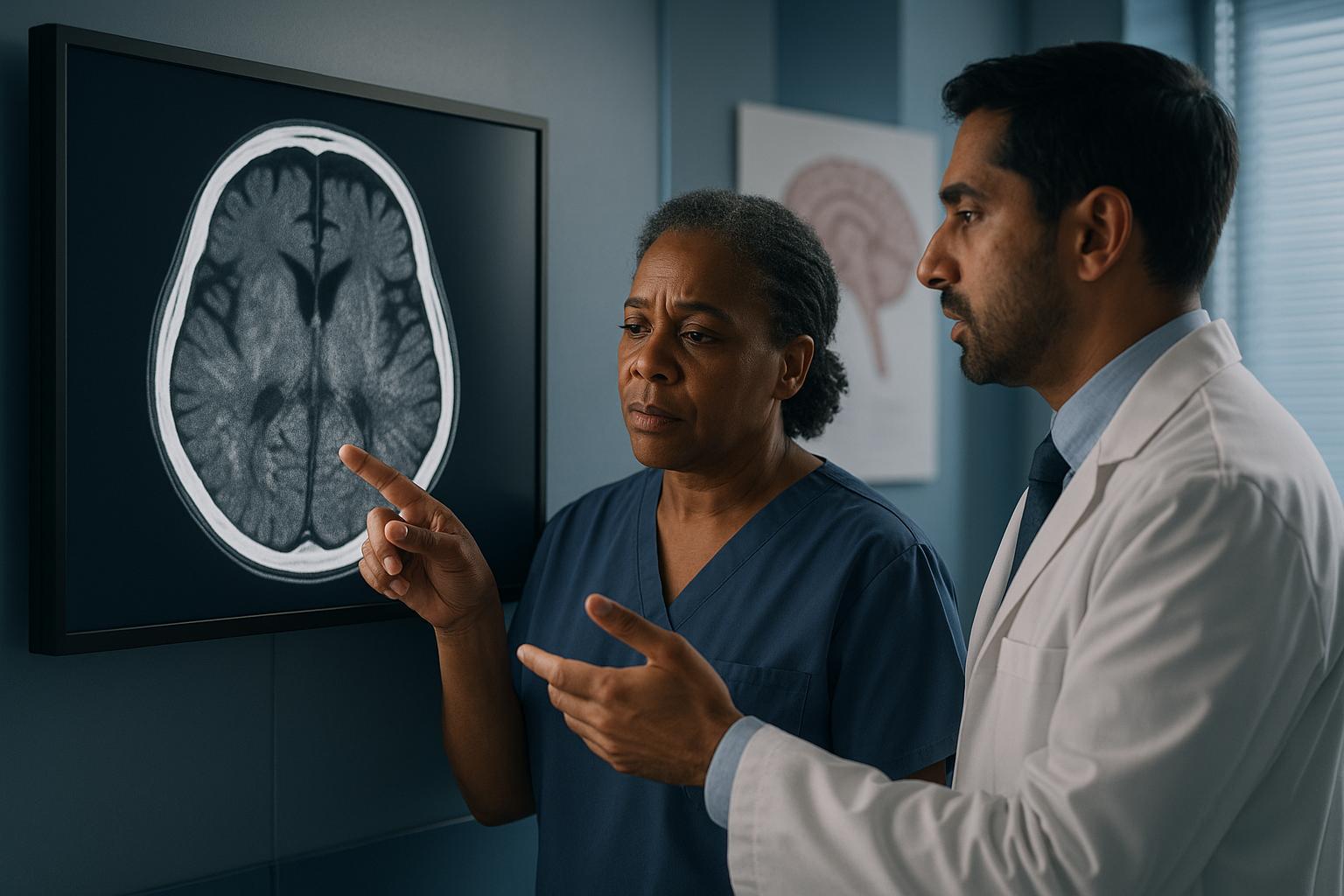
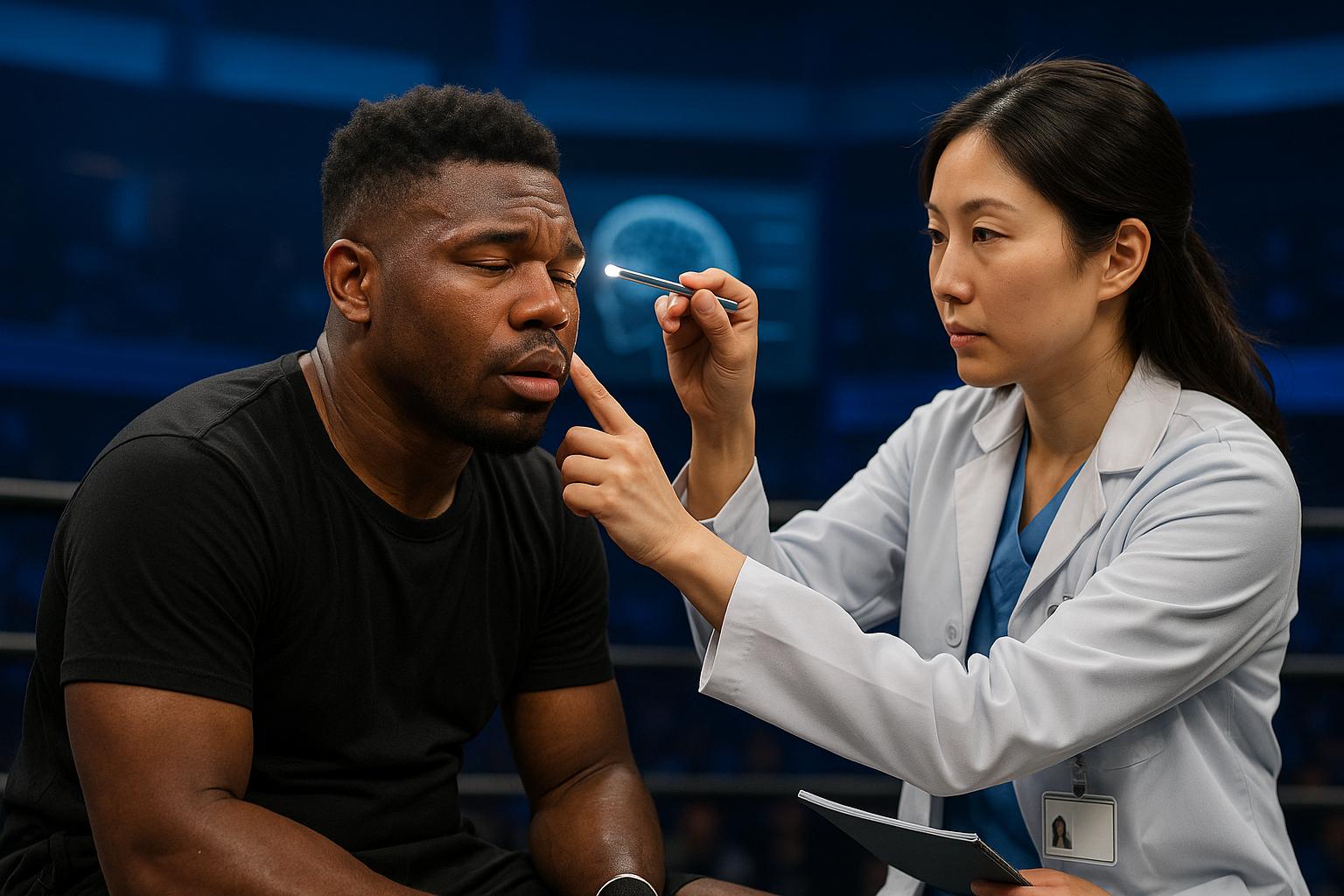
Post TBI Attention Issues: Unmasking the Hidden Cognitive Devastation After Brain Injury
By Dr. Ellia Ciammaichella, DO, JD, Triple Board-Certified in PM&R, SCI Medicine, and Brain Injury Medicine
Quick Insights
Post TBI attention issues are disruptions in focus, working memory, or processing speed after brain injury. These problems affect thinking, daily functioning, and, when relevant, can influence legal findings or care planning.
Key Takeaways
- Over 35% of children with TBI develop attention deficits such as trouble focusing and impulsivity.
- Changes in brain signaling after TBI impact attention and processing abilities, sometimes long-term.
- Evaluation tools can help distinguish post-TBI attention issues from conditions like ADHD.
- Dr. Ellia Ciammaichella delivers expert assessment of post-TBI attention deficits across NV, TX, and additional licensed states.
Why It Matters
Post TBI attention issues can easily be mistaken for other disorders, leading to misdiagnosis and complications for both recovery and legal cases. Research suggests precise evaluation and expert guidance are vital for accurate treatment and credible medicolegal reporting—addressing both patient care and legal clarity.
Introduction
As a physician and attorney, I approach post-TBI attention issues with both clinical precision and legal clarity, serving Reno and multistate clients through Ciammaichella Consulting Services, PLLC. My background as a dual-qualified physician and attorney (DO/JD) informs every assessment and recommendation I make in this area.
Post TBI attention issues are disruptions in an individual’s ability to focus, process information, or sustain working memory (the capacity to briefly hold and use information) following a traumatic brain injury. These deficits may present as reduced concentration, slowed processing speed, or impulsivity—symptoms that can complicate daily functioning, medical treatment, and, crucially, legal proceedings assessing functional impact and damages.
My dual training as a Doctor of Osteopathic Medicine and Juris Doctor uniquely positions me to deliver objective, evidence-based analysis for both rehabilitation and medicolegal evaluation. Clinical guidelines confirm that attention, processing, and executive function deficits are common after TBI, often requiring nuanced assessment to distinguish them from other conditions such as ADHD.
For attorneys and clinicians in Reno, understanding these distinctions is essential for accurate diagnosis, effective treatment planning, and credible expert testimony.
Understanding Attention and Processing Issues After Traumatic Brain Injury
Post TBI attention issues encompass a spectrum of deficits, including impaired focus, slowed processing speed, and working memory limitations. These disruptions are not only prevalent but also insidious, often manifesting as subtle lapses in concentration or impulsivity that can be mistaken for behavioral problems.
In my dual role as a physician and legal consultant, I have seen how these deficits can complicate both clinical care and legal proceedings, particularly when the underlying neurobiological mechanisms are not fully appreciated.
What are the most common attention deficits after TBI?
The most common attention deficits after TBI include reduced ability to focus, slower information processing, and difficulty holding information in working memory. These issues can persist for months or even years, affecting daily life and legal evaluations.
More than 35% of children with TBI develop such attention deficits.
Types of Attention Affected
After TBI, individuals may experience deficits in several domains:
- Sustained attention: Difficulty maintaining focus over time.
- Selective attention: Trouble filtering out distractions.
- Divided attention: Impaired ability to manage multiple tasks simultaneously.
- Working memory: Reduced capacity to hold and manipulate information briefly.
In my practice, I frequently encounter clients in Reno who struggle with these issues, which can significantly impact their ability to return to work or school. From my perspective as a triple board-certified physiatrist, I have observed that deficits in working memory are associated with impairments in real-world functioning.
Statistics and Neurobiological Insights
More than 35% of children with TBI develop attention deficits, such as problems focusing and impulsivity, with these symptoms often persisting into adolescence. Advanced imaging studies suggest that TBI may disrupt brain networks involved in attention regulation.
Some research suggests that TBI may alter brain network dynamics. I have observed that these neurobiological changes can be subtle yet profoundly affect functional outcomes, especially when not recognized early in the rehabilitation process.
In my 15+ years of practice evaluating individuals with spinal cord and brain injuries, I’ve found that detailed functional assessment, beyond basic diagnosis, is essential for accurately delineating damages in legal proceedings.
For residents of Reno and beyond, understanding these mechanisms is essential for both effective treatment and accurate legal assessment.
How Post-TBI Attention Deficits Differ from ADHD
Distinguishing post TBI attention issues from ADHD is a frequent challenge in both clinical and legal settings. While both conditions may present with distractibility, impulsivity, and poor working memory, the underlying causes and patterns of symptoms differ.
Key Clinical Distinctions
- Onset: TBI-related attention deficits typically emerge after a documented injury, whereas ADHD symptoms are usually present from early childhood.
- Symptom pattern: TBI often results in fluctuating attention and processing speed, while ADHD symptoms are more consistent over time.
- Associated features: TBI may also involve memory, executive function, and emotional regulation deficits not typically seen in ADHD.
Research confirms that TBI-related attention problems can closely mimic ADHD, making careful evaluation essential. In my experience, a thorough history and objective testing are critical to avoid misdiagnosis, which can have significant implications for both treatment and legal claims.
I have seen cases where litigants were inaccurately labeled with ADHD rather than post-traumatic deficits, ultimately affecting their care trajectory and the credibility of medical findings in court.
Implications for Treatment
Treatment approaches must be tailored to the etiology of the attention deficit. For TBI, interventions often focus on cognitive rehabilitation and compensatory strategies, while ADHD is more likely to respond to stimulant medications.
I have found that misattributing TBI-related deficits to ADHD can lead to ineffective interventions and complicate legal proceedings, particularly in cases involving litigants in Reno. While some clinicians may default to ADHD-based protocols, my experience has shown that addressing underlying traumatic disruption with evidence-based attention retraining results in more favorable functional and legal outcomes.
Evaluation and Clinical Assessment Tools
Accurate assessment of post TBI attention issues requires a combination of standardized tools and expert clinical judgment. In my practice, I employ a multimodal approach to ensure both clinical and legal accuracy.
Standardized Tools Used
Commonly used instruments include:
- Neuropsychological testing: Measures attention, working memory, and processing speed.
- Behavioral rating scales: Capture real-world functioning from multiple informants.
- Computerized cognitive assessments: Provide objective data on attention and processing.
Current guidelines recommend using validated tools to distinguish TBI-related deficits from other conditions, ensuring that findings are robust enough for both clinical management and legal scrutiny. I have observed that integrating multiple sources of data is particularly valuable when preparing medicolegal reports for clients in Reno and other jurisdictions.
From my unique perspective with both medical and legal training, I can translate complex medical findings into precise documentation that clearly establishes functional limitations for both plaintiff and defense teams.
While some medical experts focus solely on diagnosis, my approach emphasizes comprehensive functional assessment that provides all parties—physicians, attorneys, and litigants—with clear, accessible documentation of impairments.
Role of Multidisciplinary Teams
A comprehensive evaluation often involves collaboration among physicians, neuropsychologists, therapists, and, when appropriate, legal professionals. This multidisciplinary approach ensures that all aspects of the individual’s functioning are considered, supporting both rehabilitation and accurate damage assessment.
In my dual capacity, I facilitate communication between medical and legal teams to ensure that evaluations are both clinically sound and legally defensible.
When to Seek Medical Attention
Seek immediate evaluation by a physician if, after TBI, there is:
- Sudden worsening of attention or memory
- New confusion or disorientation
- Inability to perform daily tasks
Rehabilitation Strategies and Evidence-Based Interventions
Effective rehabilitation for post TBI attention issues requires individualized, evidence-based approaches. I prioritize interventions that are supported by the latest research and tailored to each client’s unique needs.
Cognitive and Behavioral Therapies
- Attention Process Training (APT): Structured exercises to restore attention capacity, especially in severe cases. APT is specifically recommended for severe attention impairment post-TBI according to the most recent clinical guidelines.
- Video-feedback: Grade A evidence supports its use for improving self-monitoring and insight during rehabilitation. Video-feedback interventions are strongly supported as highly effective.
- Compensatory strategies: Use of reminders, structured routines, and environmental modifications.
Based on treating hundreds of patients with traumatic brain injury, I have seen that a combined approach—direct attention retraining paired with real-world compensatory strategies—delivers the most real-life benefit for clients who also require credible documentation for legal proceedings.
Emerging Techniques: PATH and Video-Feedback
Recent studies highlight the efficacy of Perceptual Attention Therapy (PATH), a visual training program that outperforms standard cognitive and memory rehabilitation after concussion. PATH targets foundational visual timing deficits, leading to rapid improvements in attention and executive function.
Additionally, video-feedback interventions have demonstrated significant benefits in enhancing self-awareness and adaptive functioning.
For pediatric cases, research underscores the importance of multimodal, individualized interventions that address cognitive, behavioral, and emotional domains. I have found that early, targeted rehabilitation is especially critical for children and adolescents, as it can mitigate long-term academic and social challenges.
Medicolegal Perspectives and Multi-State Telemedicine Access
My dual qualifications as a physician and attorney uniquely position me to provide objective, evidence-based analysis for both clinical care and legal proceedings. This is particularly relevant for clients in Reno and across my licensed states.
When Is a Med-Legal Evaluation Needed?
A medicolegal evaluation is warranted when:
- There is a dispute regarding the cause or extent of attention deficits
- Objective documentation is required for litigation or insurance claims
- An independent, court-ready assessment is needed for damage delineation
Having worked with hundreds of spinal cord injury cases, I’ve found that accurate functional assessment and documentation are equally valuable for plaintiffs seeking fair compensation and defendants requiring objective analysis.
I have provided medical-legal services that combine in-depth clinical assessment with expert testimony and legal applicability for both plaintiffs and defendants, ensuring that my reports are thorough, unbiased, and accessible to all parties involved.
State-by-State Tele-Consulting
Through telemedicine, I offer comprehensive evaluations and consultations across Nevada, Texas, California, and additional licensed states. This model allows for timely, accessible expert input regardless of location, which is particularly valuable for attorneys and clinicians managing complex TBI cases.
At Ciammaichella Consulting Services, PLLC, I ensure that every assessment meets the highest standards of clinical and legal rigor, supporting both local Reno clients and those throughout my multistate practice.
My Approach to Patient Care
Patient care after traumatic brain injury requires a nuanced understanding of both clinical and legal complexities. As a physician based in Reno, I have dedicated my practice to providing objective, evidence-based assessments for individuals experiencing post TBI attention issues.
My dual qualifications as a Doctor of Osteopathic Medicine and Juris Doctor, combined with triple board-certification in Physical Medicine & Rehabilitation, Spinal Cord Injury Medicine, and Brain Injury Medicine, allow me to deliver comprehensive evaluations that address both functional and medicolegal needs. I routinely collaborate with neuropsychologists, therapists, and legal professionals to ensure that every assessment is thorough and defensible.
In my experience, the most effective care comes from integrating the latest research with individualized rehabilitation strategies. I remain actively engaged in ongoing clinical research and professional development to ensure that my patients and legal clients benefit from the most current standards of care.
Ultimately, my goal is to provide clarity and support for those navigating the challenges of post TBI attention deficits, whether the context is rehabilitation, return to work, or legal proceedings.
Post TBI Attention Issues in Reno
Addressing post TBI attention issues in Reno involves unique considerations due to the region’s diverse population and the intersection of medical and legal needs. As a physician based in Reno, I have observed that local factors such as access to specialized rehabilitation services and the prevalence of high-risk activities can influence both the incidence and management of traumatic brain injuries.
The availability of multidisciplinary teams in Reno supports a comprehensive approach to evaluation and treatment, ensuring that individuals receive care tailored to their specific cognitive and functional challenges. Additionally, the legal landscape in Nevada often necessitates precise, court-ready documentation for litigants involved in injury-related proceedings.
For those seeking expert assessment or medicolegal consultation, my Reno-based practice offers both in-person and telemedicine services, extending support to clients across multiple states. If you or your client requires a detailed evaluation of post TBI attention deficits, I encourage you to connect with a triple board-certified expert for a second opinion or independent medical examination.
Conclusion
Post TBI attention issues encompass disruptions in focus, working memory, and processing speed that can profoundly affect both daily functioning and legal outcomes. In summary, accurate identification and management of these deficits require a nuanced approach that integrates clinical expertise with a thorough understanding of medicolegal standards.
My dual qualifications as a triple board-certified physician and attorney enable me to deliver objective, court-ready assessments and individualized rehabilitation strategies, ensuring that both medical recovery and legal documentation are addressed with precision.
Based in Reno, I provide specialized services across multiple states, including Texas, California, and Colorado, and others through both telemedicine and in-person consultations. I am willing to travel as an expert witness, offering flexibility that benefits clients with complex cases requiring cross-jurisdictional expertise.
Long-term monitoring and early intervention are essential, as evidence indicates that individuals with TBI are at risk for a range of adverse outcomes over time. Proper medical care and documentation not only support optimal recovery but also strengthen the legal standing of any claim.
I invite you to schedule a consultation TODAY to secure the most effective medical recovery and ensure robust legal documentation. Prompt action can make a significant difference in both your health and your legal peace of mind during challenging times.
This article is for educational purposes only and should not be used as a substitute for professional medical or legal advice, diagnosis, or treatment. Always seek the advice of your physician or qualified legal counsel with any questions you may have regarding a medical condition, treatment options, or legal matters. Never disregard professional advice or delay in seeking it because of something you have read in this article.
Frequently Asked Questions
What are post TBI attention issues, and how do they impact daily life?
Post TBI attention issues refer to difficulties with focus, working memory, and processing speed following a traumatic brain injury. These deficits can lead to challenges in completing tasks, maintaining employment, or managing daily responsibilities. Many individuals experience persistent symptoms, making early evaluation and targeted intervention critical for both functional recovery and legal documentation.
How can I access your expertise if I am not located in Reno?
You can access my specialized assessment and consultation services through telemedicine across all states where I am licensed, including Texas, California, and Colorado. I also travel for in-person evaluations and expert witness testimony when needed. This multi-state practice model ensures that individuals and legal professionals receive high-quality, objective analysis regardless of location.
How does your dual medical and legal background benefit attorneys and litigants?
My combined experience as a physician and attorney allows me to objectively assess post TBI attention deficits, translate complex medical findings into clear legal documentation, and provide expert testimony that meets court standards. This approach ensures that both clinical care and legal claims are supported by thorough, defensible evidence, benefiting plaintiffs, defendants, and their legal teams.
About the Author
Dr. Ellia Ciammaichella, DO, JD, is a triple board-certified physician specializing in Physical Medicine & Rehabilitation, Spinal Cord Injury Medicine, and Brain Injury Medicine. With dual degrees in medicine and law, she offers a rare, multidisciplinary perspective that bridges clinical care and medico-legal expertise. Dr. Ciammaichella helps individuals recover from spinal cord injuries, traumatic brain injuries, and strokes—supporting not just physical rehabilitation but also the emotional and cognitive challenges of life after neurological trauma. As a respected independent medical examiner (IME) and expert witness, she is known for thorough, ethical evaluations and clear, courtroom-ready testimony. Through her writing, she advocates for patient-centered care, disability equity, and informed decision-making in both medical and legal settings.

Medical Expert Services
Dr. Ciammaichella provides expert medical consulting for attorneys handling complex injury cases: