Returning Home After Spinal Injury: Essential Strategies to Prevent Devastating Setbacks
By Dr. Ellia Ciammaichella, DO, JD, Triple Board-Certified in Physical Medicine & Rehabilitation, Spinal Cord Injury Medicine, and Brain Injury Medicine
Quick Insights
Returning home after spinal injury is a critical phase involving physical risks, emotional adjustments, and complex care needs. Timely follow-up and coordinated home setups help lower setbacks, with legal/medical guidance supporting safe, successful transitions.
Key Takeaways
- Early planning and prompt community support ease post-discharge adjustment for SCI patients.
- Specialized equipment and home access plans can prevent avoidable complications at home.
- Collaborative caregiver and legal expert involvement supports both patient safety and case outcomes.
- Telemedicine expertise is available for transitions across Nevada, Texas, California, and more.
Why It Matters
The transition after spinal cord injury is fraught with preventable complications that impact health and legal claims. Addressing these proactively during returning home after spinal injury empowers families and legal teams to safeguard recovery, independence, and future quality of life. Current research highlights the value of expert, multidisciplinary guidance.
Introduction
As a physician and attorney—triple board-certified in physical medicine and rehabilitation, spinal cord injury medicine, and brain injury medicine—I approach returning home after spinal injury with both clinical rigor and legal precision, especially for those in Reno. Learn more about Dr. Ellia Ciammaichella’s dual physician-attorney (DO/JD) qualifications and expertise.
Returning home after spinal injury is the critical process of transitioning from inpatient rehabilitation to community living. This transition involves extensive planning to address physical, emotional, and legal challenges, all of which significantly impact recovery outcomes and future legal claims.
For both patients and litigants, understanding the intricacies of this phase is essential to avoid preventable complications and to ensure comprehensive documentation that supports both health and case integrity.
Research demonstrates that early discharge planning and prompt follow-up from community services are fundamental in facilitating a smoother transition, reducing setbacks, and supporting both functional recovery and robust legal assessment.
My work at Ciammaichella Consulting Services, PLLC, ensures that families, attorneys, and care teams in Reno receive the dual medical-legal guidance needed for safe, successful transitions home.
Understanding the Transition Home After Spinal Cord Injury
Returning home after spinal cord injury (SCI) is a multifaceted process that extends far beyond the physical act of discharge. The transition encompasses not only the adaptation to new physical limitations but also the psychological and logistical challenges that arise in the home environment.
In my dual role as a physician and attorney, I have seen that the most successful transitions are those that are meticulously planned and supported by a multidisciplinary team.
Extensive experience evaluating individuals with spinal cord and brain injuries suggests that detailed functional assessment, beyond basic diagnosis, is essential for accurately delineating damages in legal proceedings.
This is also vital in planning return-to-home care: capturing all the real-world barriers a litigant may face outside the clinic ensures thorough preparation and more defensible case documentation.
Adjusting Expectations
Adjusting expectations is essential for both the individual with SCI and their support network. The abrupt shift from a highly structured rehabilitation setting to the relative independence of home life can be disorienting.
I have observed that when families and litigants are prepared for the realities of daily care, including the need for ongoing assistance and adaptive strategies, outcomes are measurably improved.
Common Setbacks Faced Early
Common setbacks during this phase include difficulties with mobility, increased risk of medical complications, and emotional distress. Research demonstrates that early discharge planning and prompt follow-up from community services are critical in reducing these setbacks.
Clinical observations suggest that the absence of immediate community support may lead to preventable hospital readmissions and delays in recovery.
Importance of Preparation
Preparation is the cornerstone of a safe transition. This includes not only physical modifications to the home but also the establishment of routines and clear communication among caregivers. For residents of Reno, ensuring that local resources are engaged before discharge can make a significant difference in the adjustment process.
It is important to emphasize to both families and legal teams that comprehensive documentation of these preparations is vital for both health and legal outcomes.
Key Transition Challenges and How to Overcome Them
The transition home after SCI is fraught with challenges that, if unaddressed, can impede recovery and complicate legal claims. My approach integrates both clinical and legal perspectives to identify and mitigate these risks.
A professional with both medical and legal training can translate complex medical findings into precise documentation that clearly establishes functional limitations for both plaintiff and defense teams. This is especially important when it comes to capturing the scope of challenges like accessibility, caregiver support, or cognitive-behavioral changes that are frequently underestimated in the community setting.
Mobility and Accessibility
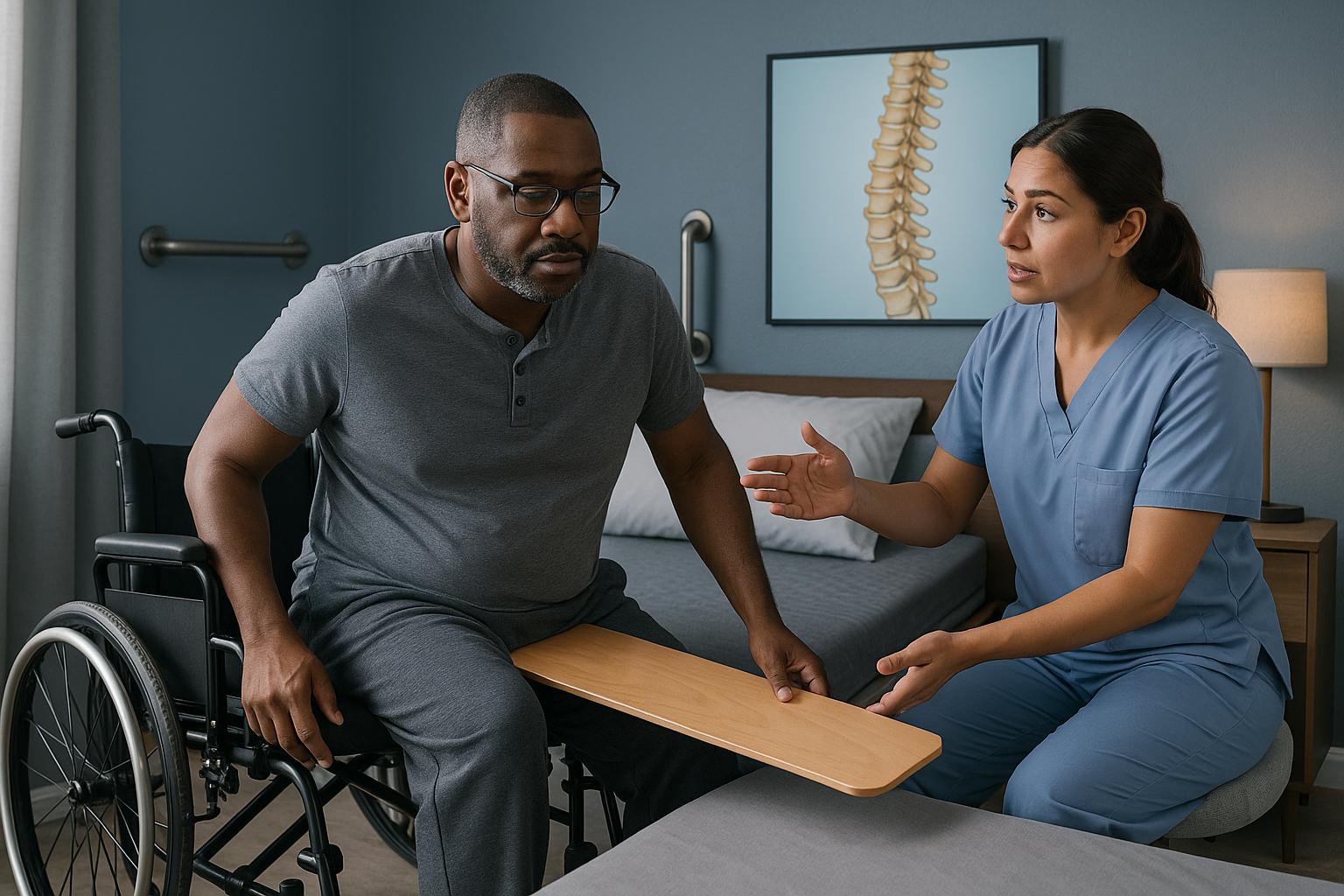
Mobility and accessibility are often the most immediate concerns. Homes are rarely designed for wheelchair access or specialized equipment. I recommend a thorough assessment of entryways, bathrooms, and living spaces to identify barriers.
A multidisciplinary approach, as supported by current rehabilitation guidelines, ensures that modifications are both practical and compliant with medical standards.
Caregiver Support
Caregiver support is indispensable. Establishing routines and providing emotional and practical support for carers are vital for successful adjustment, as highlighted in recent research. In my practice, I have found that well-supported caregivers are better equipped to manage complex care needs, reducing the risk of burnout and subsequent complications.
Emotional/Identity Changes
Emotional and identity changes are often underestimated. Individuals may experience a sense of lost independence or altered self-image. I encourage open dialogue and, when appropriate, referral to psychological support services. For litigants, documenting these changes is crucial for comprehensive damage assessment.
Setting Up Equipment and Ensuring Home Safety
Proper equipment setup and home safety measures are foundational to preventing complications after SCI. I have seen that early and precise planning in this area can dramatically reduce adverse events.
Based on treating hundreds of patients with spinal cord injuries, I’ve found that involving interdisciplinary experts—such as occupational therapists and home modification specialists—early in discharge planning allows for highly tailored solutions and helps families avoid costly mistakes.
These professionals can ensure that all recommended equipment addresses real-life barriers at home rather than just ticking off a generic checklist.
Equipment Needs Checklist
A comprehensive equipment checklist should include:
- Wheelchairs and transfer devices
- Pressure-relieving mattresses
- Accessible bathroom fixtures
- Emergency call systems
Specialized home equipment and clear setup plans are proven to lower the risk of complications, as outlined in rehabilitation best practices.
Making the Home Accessible
Making the home accessible involves more than installing ramps. Doorway widening, grab bars, and adaptive kitchen tools are often necessary.
While some practitioners rely solely on basic home modifications, my experience has shown that more comprehensive accessibility planning—such as environmental controls and adaptive tech—can have a dramatic impact on quality of life and injury prevention for those returning after SCI.
Coordinating Setup and Training
Coordinating setup and training for both the individual and caregivers is essential. Training should cover equipment use, emergency procedures, and maintenance. In my experience, hands-on demonstrations and written protocols help ensure safety and compliance.
Preventable Complications: What to Watch For and How to Avoid Them
Preventing complications is a primary concern during the transition home. The most common risks include pressure sores, respiratory issues, and urinary tract infections (UTIs). My dual expertise allows me to identify both clinical and legal ramifications of these complications.
Having worked with hundreds of spinal cord injury cases, I’ve found that accurate functional assessment and documentation are equally valuable for plaintiffs seeking fair compensation and defendants requiring objective analysis. Detailed records of complication prevention measures—or their absence—are often essential in litigated cases.
Pressure Sores and Skin Care
Pressure sores (skin ulcers) are a frequent and serious complication. Regular skin checks, use of pressure-relieving devices, and caregiver education are essential. Education on prevention and management is key, as emphasized in systematic reviews.
Respiratory/UTI Risks
Respiratory complications remain a leading cause of morbidity after SCI. Protocols for respiratory care, including assisted coughing and ventilator management, can significantly reduce these risks. For example, clinical guidelines recommend specific ventilation strategies to prevent atelectasis (lung collapse). UTIs are also common; maintaining catheter hygiene and monitoring for early signs are critical.
Ensuring that both the medical team and caregiving network understand and implement these protocols is crucial for avoiding preventable harm that may become a focal point in litigation.
Early Warning Signs
Recognizing early warning signs—such as redness over bony areas, shortness of breath, or fever—enables prompt intervention. In my practice, I stress the importance of immediate communication with a physician if these symptoms arise.
When to Seek Medical Attention
Seek immediate medical attention from a physician if you notice:
- Sudden difficulty breathing
- High fever or chills
- Unexplained skin redness or open sores
Follow-Up Care, Rehabilitation, and Support Systems
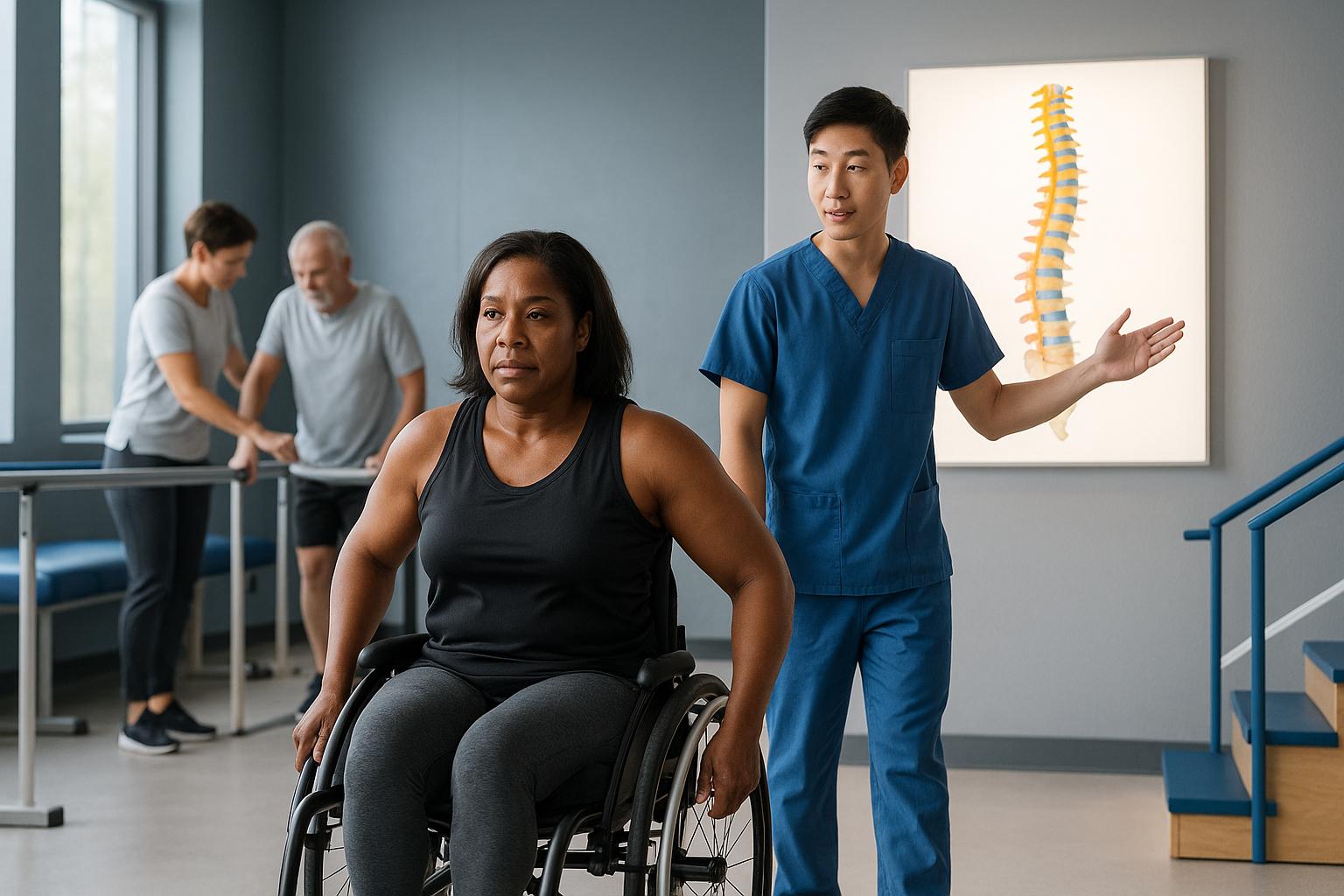
Ongoing follow-up and rehabilitation are essential for sustained recovery and prevention of setbacks. I have found that structured follow-up not only improves health outcomes but also strengthens legal documentation for damages.
Comprehensive follow-up care, grounded in both medical protocols and legal documentation requirements, is essential for optimal patient outcomes.
Why Follow-Up Matters
Follow-up appointments allow for early detection of complications and timely adjustments to care plans. Emotional and practical support from caregivers and clinicians has been shown to improve adjustment and reduce setbacks.
Community Resources
Community resources, including home health services, peer support groups, and vocational rehabilitation, play a pivotal role. I advise clients in Reno to leverage local and state programs to maximize independence and quality of life.
Telemedicine for Ongoing Care
Telemedicine has become an invaluable tool for ongoing care, especially for those in remote areas or with limited mobility. In my experience, virtual consultations facilitate timely intervention and multidisciplinary collaboration.
How Dr. Ellia’s Multistate Telemedicine and Expert Witness Services Can Help
My multistate licensure enables me to provide specialized telemedicine and expert witness services across Nevada, Texas, California, and beyond. At Ciammaichella Consulting Services, PLLC, I bridge the gap between clinical care and legal analysis, offering objective, research-backed assessments for both plaintiffs and defendants.
To meet the needs of both medical assessment and legal applications, learn more about my comprehensive medical-legal services for spinal cord injury, including expert witness solutions.
Telehealth expands access to high-level specialty care for litigants in need of second opinions, functional capacity evaluations, or documentation for damages. In my experience, telemedicine also allows for early detection of complications and rapid mobilization of local resources when risks are identified.
Telehealth Scope
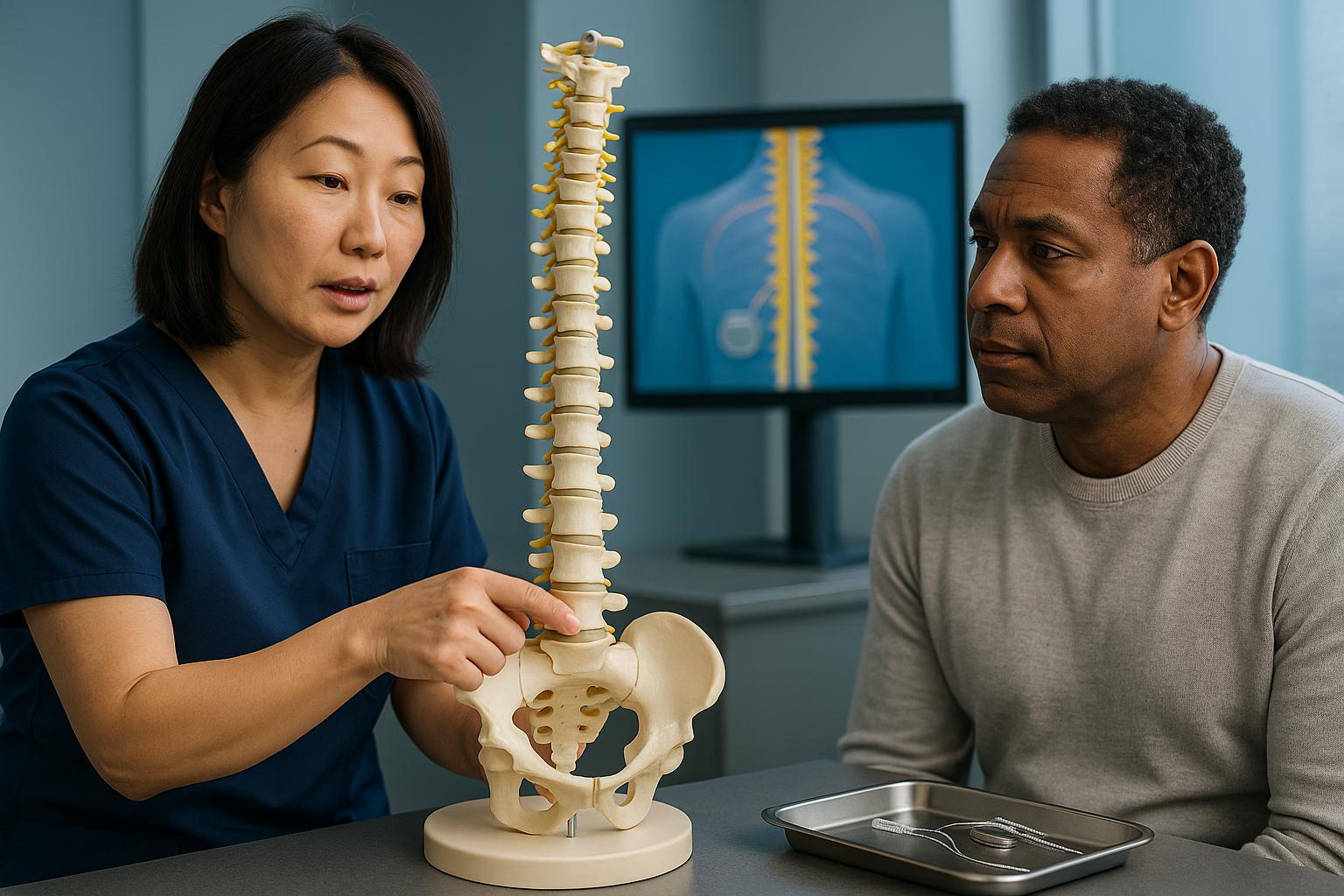
Telehealth allows for real-time monitoring, rehabilitation guidance, and rapid response to emerging issues. Home-based therapy, including noninvasive spinal cord stimulation, has demonstrated effectiveness in improving recovery, as shown in recent clinical trials.
Expert Witness Reach and Support
A professional with extensive qualifications can provide comprehensive damage assessments and clear, accessible explanations of complex medical concepts for legal teams. Experience working with both sides can ensure a balanced, thorough analysis that supports fair outcomes in litigation.
My Approach to Patient Care
Patient experiences are at the core of my commitment to advancing standards in spinal cord injury transitions. As a physician based in Reno with dual degrees in medicine and law, I have dedicated my practice to ensuring that each individual receives care that is both clinically rigorous and legally sound.
My approach is grounded in evidence-based protocols, meticulous documentation, and a multidisciplinary perspective. I emphasize early planning, comprehensive home assessments, and ongoing education for both patients and caregivers. This ensures that every transition home is as safe and seamless as possible, reducing the risk of preventable complications and supporting robust legal claims when necessary.
I continually engage in professional development, maintain triple board-certification, and participate in national organizations focused on spinal cord injury medicine. These efforts allow me to integrate the latest research and best practices into my consultations, benefiting both local and multi-state clients.
Ultimately, my goal is to empower individuals and legal teams with the knowledge and resources needed for successful, sustainable recovery after spinal cord injury. This philosophy shapes every aspect of my work, from initial assessment to long-term follow-up.
Returning Home After Spinal Injury in Reno
Returning home after spinal injury in Reno presents unique challenges and opportunities for both patients and legal professionals. The region’s diverse geography and climate can influence accessibility needs, while the availability of specialized rehabilitation resources may impact the transition process.
As a physician based in Reno, I am acutely aware of the importance of connecting clients with local occupational therapists, home modification experts, and community support programs. These resources are essential for addressing the specific transition challenges faced by individuals in this area, from navigating older housing stock to coordinating follow-up care with regional specialists.
My practice serves as a hub for both medical assessment and legal consulting, providing objective, research-backed guidance for physicians, attorneys, and litigants. Whether you require a comprehensive home safety evaluation, expert witness analysis, or telemedicine consultation, I am equipped to support your needs throughout the transition process.
If you or your client is preparing for the transition home after spinal cord injury in Reno, I encourage you to connect with me for a tailored consultation. Together, we can ensure that every aspect of the return home is managed with precision and care.
Conclusion
Returning home after spinal injury is a pivotal transition that demands both meticulous medical management and precise legal documentation. In summary, the most successful outcomes arise from early planning, comprehensive home safety measures, and ongoing follow-up—each supported by robust, research-based protocols.
Equally, thorough documentation of care and complications is essential for litigants, as it substantiates damages and supports fair legal outcomes. My dual qualifications as a DO and JD, with triple board-certification, uniquely position me to address both the clinical and legal complexities inherent in these cases.
Based in Reno, I provide specialized services across multiple states, including Texas, California, and Colorado, through both telemedicine and in-person consultations. I am willing to travel as an expert witness, ensuring that even the most complex cases receive comprehensive, coordinated support wherever you are located.
I invite you to schedule a consultation TODAY to optimize your medical recovery and secure the legal documentation necessary for your case. Prompt action not only improves health outcomes but also strengthens your legal position, offering peace of mind and confidence during a challenging time.
This article is for educational purposes only and should not be used as a substitute for professional medical or legal advice, diagnosis, or treatment. Always seek the advice of your physician or qualified legal counsel with any questions you may have regarding a medical condition, treatment options, or legal matters. Never disregard professional advice or delay in seeking it because of something you have read in this article.
Frequently Asked Questions
What are the most important steps when returning home after a spinal injury?
The most important steps include early discharge planning, home safety modifications, and establishing routines for daily care. Ongoing follow-up with a physician and support for caregivers are also critical. These measures help prevent common complications and ensure both medical stability and thorough legal documentation for any future claims.
How can I access your spinal cord injury expertise regardless of my location?
You can access my expertise through telemedicine consultations across all states where I am licensed, including Texas, California, and Colorado. I also offer in-person evaluations and am willing to travel for complex cases or expert witness needs. This flexibility ensures that individuals and legal teams receive specialized support no matter their location.
How does your combined medical and legal expertise benefit spinal cord injury patients and litigants?
My dual training as a physician and attorney allows me to provide comprehensive assessments that address both health and legal considerations. I document medical findings in a way that clearly delineates damages, supporting fair outcomes for both plaintiffs and defendants. This integrated approach streamlines the process for attorneys and ensures that all relevant details are captured for litigation.
About the Author
Dr. Ellia Ciammaichella, DO, JD, is a triple board-certified physician specializing in Physical Medicine & Rehabilitation, Spinal Cord Injury Medicine, and Brain Injury Medicine. With dual degrees in medicine and law, she offers a rare, multidisciplinary perspective that bridges clinical care and medico-legal expertise. Dr. Ciammaichella helps individuals recover from spinal cord injuries, traumatic brain injuries, and strokes—supporting not just physical rehabilitation but also the emotional and cognitive challenges of life after neurological trauma. As a respected independent medical examiner (IME) and expert witness, she is known for thorough, ethical evaluations and clear, courtroom-ready testimony. Through her writing, she advocates for patient-centered care, disability equity, and informed decision-making in both medical and legal settings.