The Traumatic Brain Injury Expert’s Essential Guide to Case Mastery
By Ellia Ciammaichella, DO, JD
Triple Board-Certified in Physical Medicine & Rehabilitation, Spinal Cord Injury Medicine, and Brain Injury Medicine
Quick Insights
A traumatic brain injury expert evaluates cases using standardized severity classification systems, advanced imaging protocols, and functional outcome measures. These specialists analyze neurological findings, document injury mechanisms, and predict recovery trajectories based on validated clinical frameworks. Expert assessment combines diagnostic precision with understanding of how brain injury affects long-term function and quality of life.
Key Takeaways
- Standardized classification systems guide imaging decisions and neurosurgical consultation timing in blunt TBI cases.
- Neuroinflammatory processes after injury directly influence neural plasticity and shape individual recovery patterns.
- Advanced imaging protocols detect structural changes that standard CT scans may miss in complex presentations.
- Functional assessments measure real-world impact on mobility, cognition, and independence beyond initial injury severity.
Why It Matters
Understanding how a traumatic brain injury expert evaluates severity helps attorneys select qualified specialists and anticipate case strengths. Expert analysis clarifies causation, documents functional limitations, and supports damage calculations. This knowledge enables legal teams to ask informed questions and build stronger medical narratives for litigation.
Introduction
As a board-certified physician and attorney based in Reno, I evaluate traumatic brain injury cases where medical complexity meets legal consequence. My qualifications as an Ellia Ciammaichella, DO, JD, enable me to apply both medical rigor and legal insight to every assessment.
A traumatic brain injury expert applies standardized severity classification systems, advanced imaging protocols, and functional outcome measures to assess how brain trauma affects long-term function.
These specialists analyze injury mechanisms, document neurological findings, and predict recovery trajectories using validated clinical frameworks. Evidence-based assessment protocols guide imaging decisions and neurosurgical consultation timing in complex presentations.
My dual training allows me to bridge clinical precision with courtroom requirements. I understand how diagnostic findings translate into functional limitations and how medical evidence supports causation analysis in litigation.
This article explains how experts systematically evaluate TBI severity, interpret neuroinflammatory processes, and assess long-term outcomes for legal decision-making.
Understanding TBI Severity Classification Systems
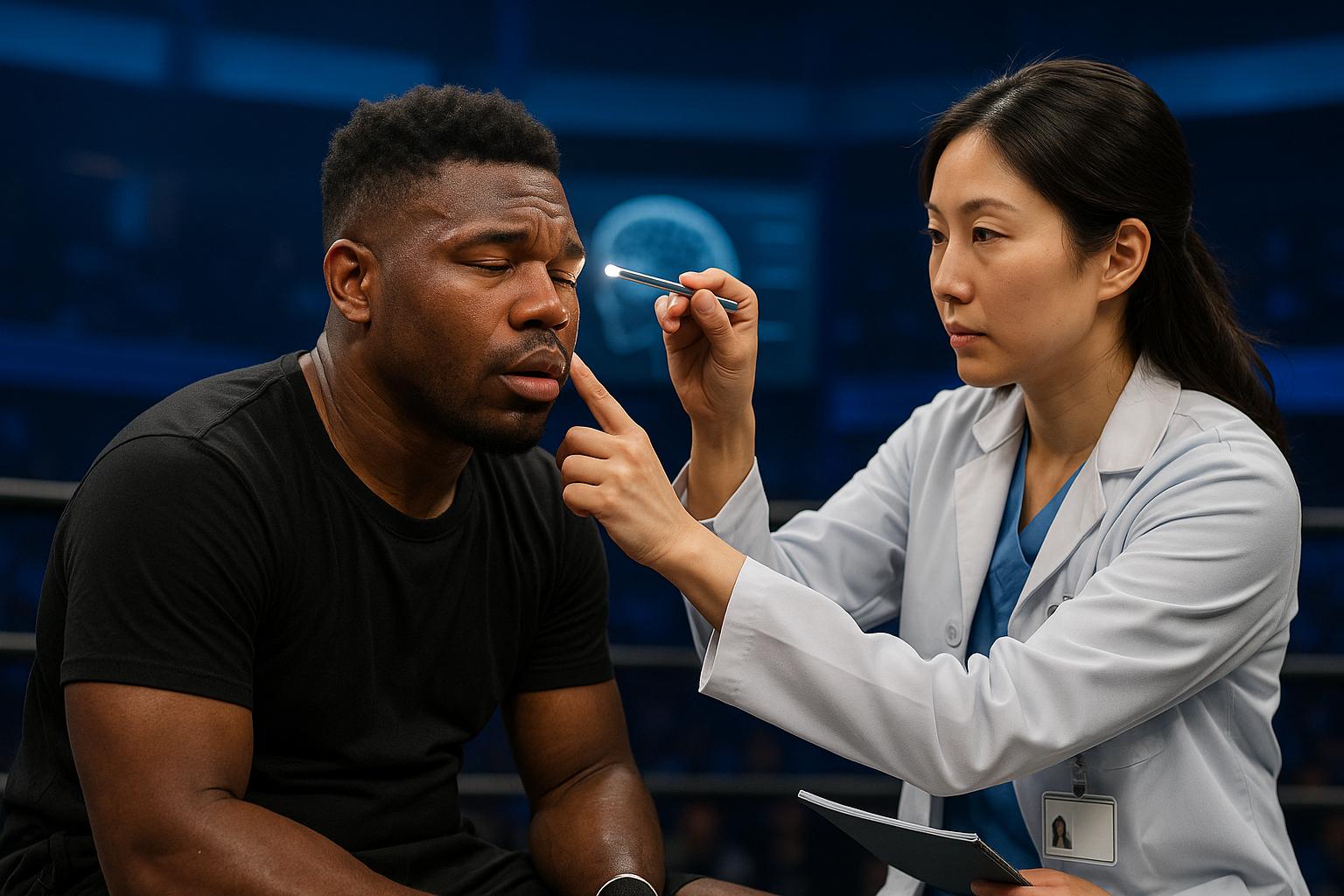
When I evaluate traumatic brain injury cases, I begin with standardized severity classification systems that guide every subsequent clinical decision. The Glasgow Coma Scale remains the foundation, measuring eye opening, verbal response, and motor function to categorize injuries as mild, moderate, or severe. This initial assessment determines imaging protocols, neurosurgical consultation timing, and baseline prognosis expectations.
Validated assessment frameworks help me decide which patients require immediate CT imaging versus observation. The Brain Injury Guidelines integrate GCS scores with mechanism of injury and clinical findings to optimize resource utilization without compromising safety.
In my evaluations, I document not just the initial GCS but also the trajectory—whether consciousness improved, remained stable, or deteriorated during the first hours after injury.
Severity classification extends beyond the consciousness level. I assess pupillary response, focal neurological deficits, and post-traumatic amnesia duration. These factors influence both immediate management and long-term outcome prediction. Patients with mild TBI may experience varying functional limitations, with some studies indicating differences based on the duration of post-traumatic amnesia.
Attorneys looking to further understand TBI patterns may benefit from exploring how recovery milestones are evaluated after spinal cord injury, which provides additional insight into injury assessment frameworks.
The Role of Neuroinflammation in TBI Outcomes
Neuroinflammatory processes after brain injury directly shape recovery trajectories in ways that initial imaging cannot predict. The inflammatory cascade begins within hours of impact, involving microglial activation, cytokine release, and blood-brain barrier disruption. These biological responses determine whether neural tissue repairs effectively or develops chronic dysfunction.
In my case reviews, I look for clinical markers that suggest ongoing inflammation—persistent headaches, cognitive fluctuation, or delayed symptom emergence. Secondary injury mechanisms can cause progressive damage days or weeks after the initial trauma. This delayed pathology explains why some patients deteriorate despite stable initial presentations.
The inflammatory response varies significantly between individuals based on age, genetics, and pre-existing conditions. Younger patients typically mount more robust inflammatory responses, which can be both protective and damaging. Older adults may experience slower but more prolonged inflammation, affecting rehabilitation potential. I consider these biological factors when predicting recovery timelines and functional outcomes for litigation purposes.
Those interested in the classification of brain injuries for documentation and legal purposes might find the ICD-10 classification for traumatic brain injury a valuable resource.
Evidence-Based Imaging Protocols for Complex Cases
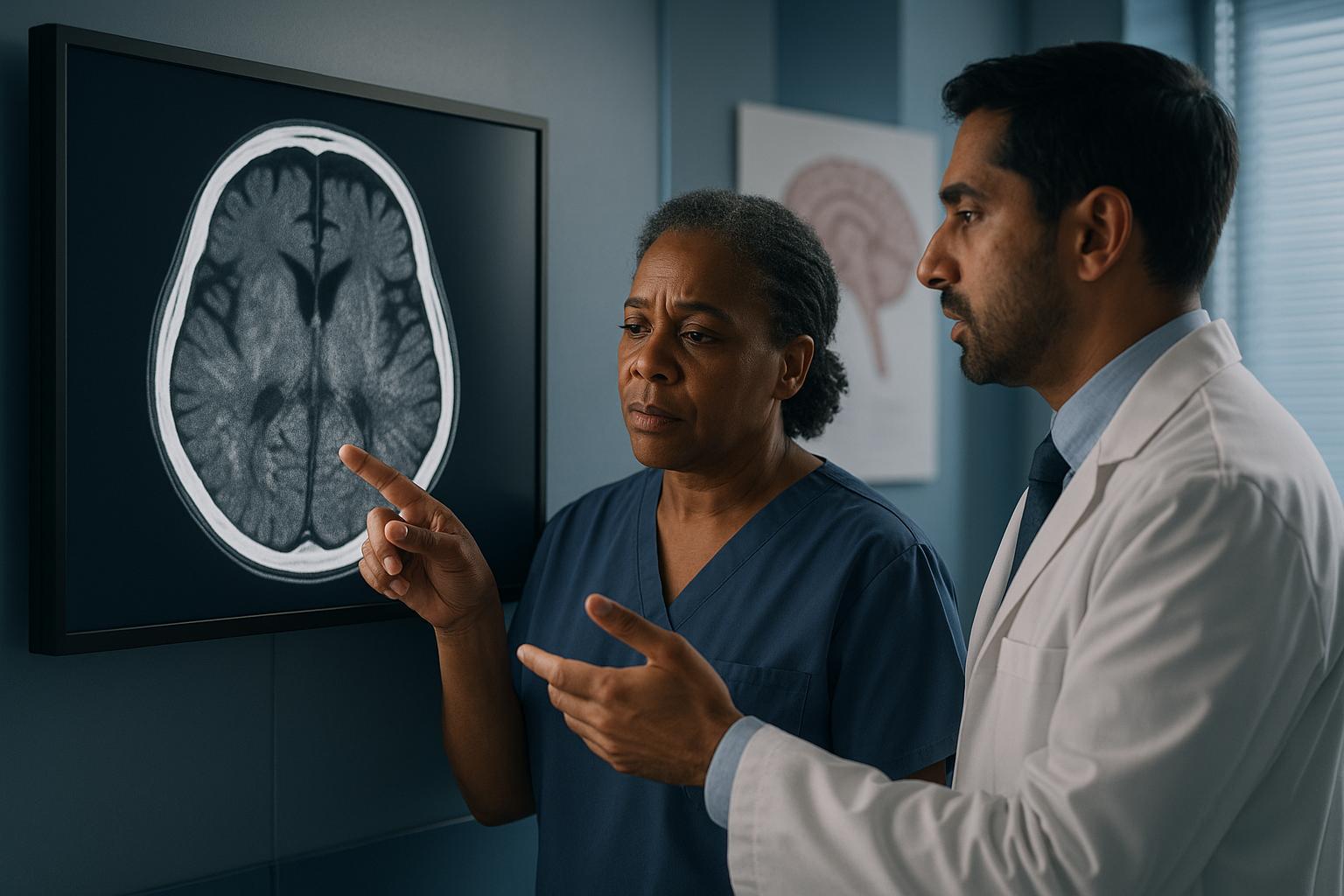
Standard CT imaging detects acute hemorrhage and skull fractures but may miss subtle structural damage that affects long-term function. When clinical findings don’t match initial imaging results, I recommend advanced protocols. MRI sequences, including diffusion tensor imaging, can reveal axonal injury patterns invisible on CT scans.
Prospective validation studies demonstrate that structured imaging protocols reduce unnecessary scans while identifying patients who need neurosurgical intervention. I follow these evidence-based pathways to determine when repeat imaging is medically justified versus when clinical observation suffices. This approach balances diagnostic thoroughness with resource stewardship.
In medico-legal evaluations, I examine whether imaging protocols followed accepted standards for the clinical presentation. Delayed imaging decisions can obscure causation analysis when new findings appear on later scans. I document the timing and rationale for each imaging study to support objective assessment of whether the diagnostic workup met professional standards.
When these assessments are needed for litigation, I offer medical-legal consulting services including objective evaluation of diagnostic evidence, expert witness testimony, and independent medical examinations.
Functional Assessment and Long-Term Prognosis
Injury severity classification predicts general outcome patterns, but functional assessment measures real-world impact. I evaluate mobility, cognition, communication, and independence in daily activities. Standardized outcome measures track recovery across multiple domains, revealing limitations that imaging alone cannot capture.
Cognitive deficits after TBI commonly affect executive function, processing speed, and memory, with varying impacts on general intelligence. Some TBI patients may exhibit normal neurological examinations yet experience challenges with complex work tasks or social interactions. I use validated neuropsychological testing results to document these subtle but significant impairments for litigation purposes.
Recovery potential depends on injury mechanism, neuroinflammatory response, and rehabilitation access. Most improvement occurs within the first six months to a year, but some patients may continue to gain function beyond this period. I distinguish between maximum medical improvement for legal purposes and ongoing biological recovery when forming prognosis opinions.
Medical Causation Analysis in TBI Litigation
Establishing causation requires connecting the injury mechanism to documented neurological findings and functional limitations.
Pre-existing conditions complicate causation analysis. Factors such as degenerative changes, prior concussions, or chronic pain conditions may influence current symptoms, potentially independent of the specific incident under consideration. My role is to apportion causation objectively based on medical evidence.
The temporal relationship between injury and symptom onset supports causation arguments. Immediate symptoms following trauma may indicate direct injury, whereas delayed symptom presentations might necessitate consideration of alternative explanations.
I consider whether the clinical course follows expected TBI recovery patterns or suggests intervening factors. This analysis requires understanding both acute injury mechanisms and chronic pain development.
How I Approach Complex TBI Evaluations
In my 15+ years evaluating individuals with traumatic brain injuries, I’ve found that thorough assessment requires looking beyond initial diagnostic labels to understand functional impact.
From my unique perspective with both medical and legal training, I analyze how injury mechanisms connect to documented neurological findings and real-world limitations. I examine whether imaging protocols followed evidence-based standards, whether symptom progression aligns with expected recovery patterns, and whether pre-existing conditions contribute to current deficits.
This systematic approach helps me provide objective analysis that serves both plaintiffs seeking fair damage assessment and defendants requiring defensible medical opinions.
My dual credentials allow me to translate complex neuroinflammatory processes, imaging findings, and functional assessments into clear documentation that attorneys, physicians, and litigants can understand. I focus on what the medical evidence actually shows—not what either side hopes it demonstrates.
Whether conducting independent medical examinations or providing expert testimony, my goal is the same: deliver thorough, evidence-based analysis that clarifies causation and supports informed legal decision-making across multiple jurisdictions.
Conclusion
In summary, a traumatic brain injury expert systematically evaluates severity using standardized classification systems, advanced imaging protocols, and functional outcome measures to determine how brain trauma affects long-term function and legal outcomes.
Evidence-based recovery prediction frameworks guide therapeutic decisions while pathophysiological foundations inform causation analysis for litigation. As a physician and attorney, I understand how diagnostic findings translate into functional limitations and how medical evidence supports damage assessment in complex cases.
Based in Reno, Nevada, Dr. Ellia Ciammaichella provides medical-legal services through Ciammaichella Consulting Services, PLLC, across licensed states such as Texas, California, and Colorado. I am available to travel for expert testimony and in-person evaluations when appropriate. This flexibility allows individuals and legal teams with complex cases to access consistent, expert analysis regardless of location.
If you would like to request a consultation to clarify causation, document functional limitations, and support informed decision-making in your traumatic brain injury case, please reach out today.
This article is for educational purposes only and should not be used as a substitute for professional medical advice, diagnosis, or treatment. Always seek the advice of your physician or other qualified healthcare provider with any questions you may have regarding a medical condition or treatment options. Never disregard professional medical advice or delay in seeking it because of something you have read in this article.
Frequently Asked Questions
How does a traumatic brain injury expert determine injury severity?
A traumatic brain injury expert uses the Glasgow Coma Scale to measure consciousness level, combined with pupillary response, focal neurological deficits, and post-traumatic amnesia duration. These standardized assessments guide imaging decisions, neurosurgical consultation timing, and baseline prognosis expectations.
Severity classification extends beyond initial consciousness to include injury mechanism analysis and clinical trajectory during the first hours after trauma. This systematic approach ensures consistent evaluation across different clinical presentations and supports objective causation analysis for litigation purposes.
What role does neuroinflammation play in TBI recovery?
Neuroinflammatory processes begin within hours of brain injury and directly shape recovery trajectories through microglial activation, cytokine release, and blood-brain barrier disruption. These biological responses determine whether neural tissue repairs effectively or develops chronic dysfunction.
The inflammatory cascade varies significantly between individuals based on age, genetics, and pre-existing conditions, affecting rehabilitation potential and long-term outcomes. Clinical markers like persistent headaches, cognitive fluctuation, or delayed symptom emergence suggest ongoing inflammation that may cause progressive damage weeks after initial trauma.
How do experts assess functional limitations after TBI?
Experts evaluate real-world impact across mobility, cognition, communication, and independence in daily activities using standardized outcome measures. Cognitive deficits often affect executive function, processing speed, and memory more than general intelligence, creating subtle but significant impairments that imaging alone cannot capture.
Validated neuropsychological testing documents these limitations for litigation purposes. Recovery potential depends on injury mechanism, neuroinflammatory response, and rehabilitation access, with most improvement occurring within six months, but some patients continue to gain function for years.
About the Author
Dr. Ellia Ciammaichella, DO, JD, is a triple board-certified physician specializing in Physical Medicine & Rehabilitation, Spinal Cord Injury Medicine, and Brain Injury Medicine. With dual degrees in medicine and law, she offers a rare, multidisciplinary perspective that bridges clinical care and medico-legal expertise. Dr. Ciammaichella helps individuals recover from spinal cord injuries, traumatic brain injuries, and strokes—supporting not just physical rehabilitation but also the emotional and cognitive challenges of life after neurological trauma. As a respected independent medical examiner (IME) and expert witness, she is known for thorough, ethical evaluations and clear, courtroom-ready testimony. Through her writing, she advocates for patient-centered care, disability equity, and informed decision-making in both medical and legal settings.
Medical Expert Services
Dr. Ciammaichella provides expert medical consulting for attorneys handling complex injury cases: