Transformative Traumatic Brain Injury Cognitive Therapy: Unlocking Life-Changing Recovery
By Ellia Ciammaichella, DO, JD
Triple Board-Certified in Physical Medicine & Rehabilitation, Spinal Cord Injury Medicine, and Brain Injury Medicine
Quick Insights
Traumatic brain injury cognitive therapy uses structured exercises and strategies to rebuild thinking skills damaged by head trauma. Research shows these programs produce small to moderate improvements in memory, attention, and daily function when started in the post-acute phase. Benefits vary based on injury severity, timing, and program type. Not all patients respond equally, and persistent cognitive difficulties often require expert neuropsychological evaluation to guide individualized treatment planning.
Key Takeaways
- Cognitive rehabilitation reduces memory failures and anxiety while improving self-concept in many patients.
- Plasticity-based training programs show measurable gains in composite cognitive and functional scores.
- Internet-delivered cognitive therapy can enhance compensatory strategy use and mood in some individuals.
- Program effectiveness depends on injury characteristics, timing post-injury, and tailoring to individual deficits.
Why It Matters
Cognitive impairment after brain injury affects work capacity, relationships, and independence. Evidence-based traumatic brain injury cognitive therapy offers measurable pathways to functional recovery. Understanding which approaches work—and for whom—helps patients and families make informed rehabilitation decisions that directly impact quality of life and long-term outcomes.
Introduction
As a board-certified physician and attorney, I frequently evaluate cognitive impairment following head trauma in both clinical and medico-legal contexts. You can read more about my qualifications and background as a triple board-certified physiatrist.
Traumatic brain injury cognitive therapy uses structured exercises and compensatory strategies to rebuild thinking skills damaged by brain injury. Research shows these programs produce small to moderate improvements in memory, attention, and daily function when started during the post-acute recovery phase. The effectiveness varies based on injury severity, timing of intervention, and individual patient factors.
My dual training allows me to assess how cognitive deficits translate into functional limitations and long-term disability. Clear documentation of cognitive rehabilitation outcomes becomes particularly important when injuries carry lasting implications for work capacity and independence.
For deeper insights into the nuances of brain injuries caused by repeated head trauma, you may also wish to read about brain injuries caused by repeated head trauma.
This article examines which traumatic brain injury cognitive therapy approaches demonstrate measurable benefit, what outcomes patients can reasonably expect, and how programs are tailored to individual needs.
What Is Cognitive Therapy for Traumatic Brain Injury
Cognitive rehabilitation is a structured, multidisciplinary intervention designed to improve thinking skills damaged by brain injury. These programs target specific deficits in attention, memory, executive function, and processing speed through systematic exercises and compensatory strategies.
The approach differs fundamentally from traditional talk therapy. Instead of addressing emotional processing alone, cognitive rehabilitation retrains neural pathways through repetitive, progressively challenging tasks. Patients practice real-world activities—managing schedules, following multi-step instructions, filtering distractions—under controlled conditions that allow for measurable improvement.
Evaluation requires assessing how cognitive deficits translate into functional limitations. A patient may score adequately on isolated memory tests yet struggle to manage medication schedules or return to work. Effective traumatic brain injury cognitive therapy bridges this gap by addressing practical, daily challenges rather than abstract cognitive constructs alone.
Programs typically involve neuropsychologists, occupational therapists, and speech-language pathologists working collaboratively. Treatment intensity and duration vary based on injury severity, time since injury, and individual response patterns.
Evidence-Based Approaches to Cognitive Rehabilitation
Evidence-based reviews emphasize structured, multicomponent programs that combine restorative training with compensatory strategy instruction. Restorative approaches aim to rebuild damaged cognitive functions through targeted exercises. Compensatory methods teach patients to work around persistent deficits using external aids, environmental modifications, and alternative problem-solving strategies.
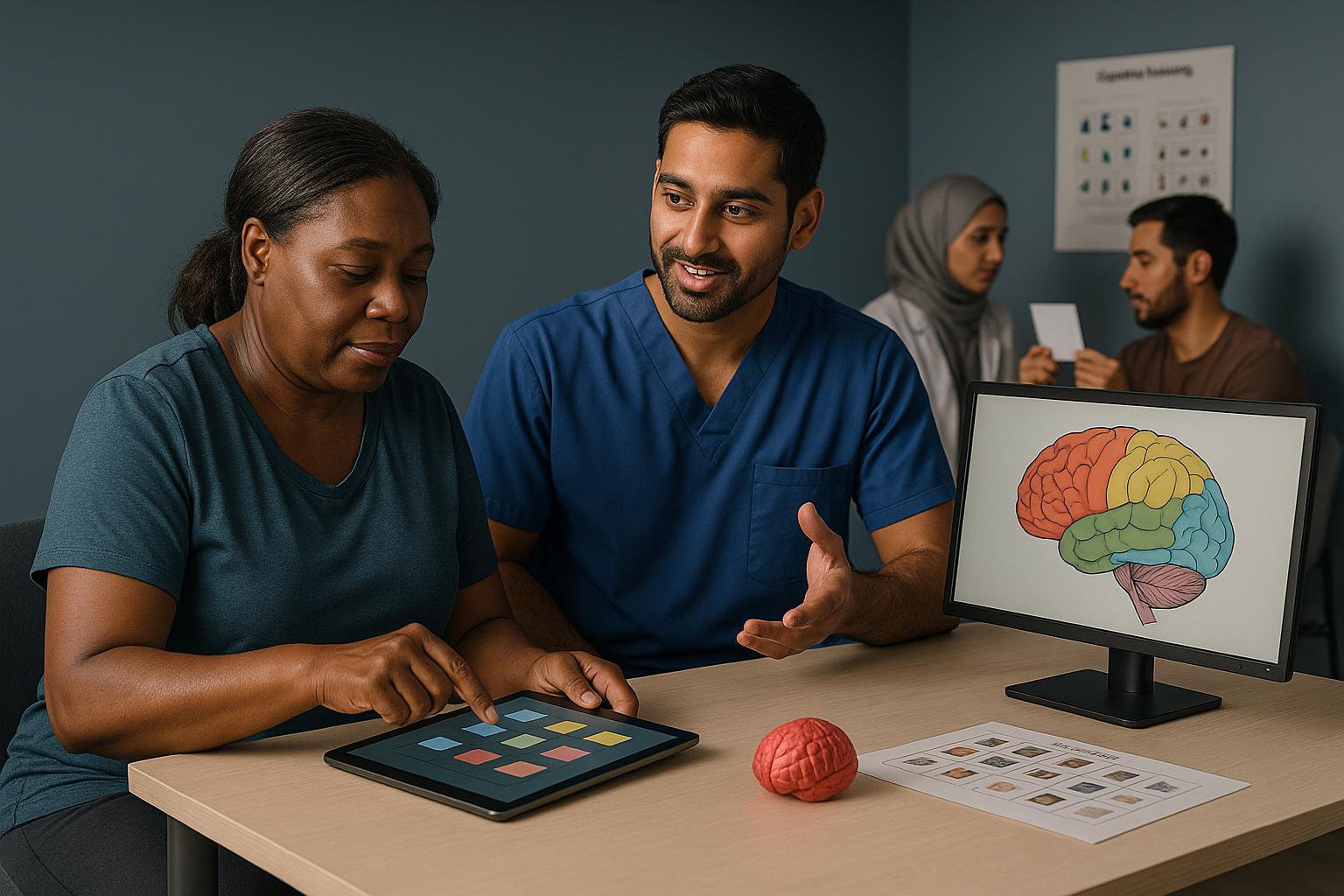
Plasticity-based cognitive training programs have demonstrated measurable improvements in composite cognitive and functional scores in randomized trials involving patients with mild traumatic brain injury. These interventions use adaptive computer exercises that adjust difficulty based on performance, targeting neural plasticity mechanisms that support recovery. The training emphasizes speed, accuracy, and working memory through progressively challenging auditory and visual tasks.
Attention process training represents another evidence-supported approach. Patients complete hierarchical exercises addressing sustained, selective, alternating, and divided attention. Tasks progress from simple reaction-time activities to complex dual-task scenarios that mirror real-world cognitive demands.
Case review should include documentation showing which specific cognitive domains were targeted and how training intensity was calibrated. Programs delivering sufficient hours of structured, intensive intervention over multiple weeks typically show stronger outcomes than less intensive approaches, though optimal dosing remains an active area of research.
The evidence supports starting cognitive rehabilitation during the post-acute phase—generally three to six months post-injury—when spontaneous recovery has plateaued, but neural plasticity remains active.
Clinicians also consider the nuances of diagnosis and documentation, such as proper ICD-10 classification for traumatic brain injury, which can be critical in both treatment planning and medical-legal documentation.
What Outcomes Can You Expect from Cognitive Therapy
Evidence-based reviews show cognitive rehabilitation reduces memory failures and anxiety while improving self-concept and interpersonal functioning in many patients. Effect sizes are typically small to moderate, meaning measurable but not transformative changes for most individuals.
Functional outcomes matter more than test score improvements. Patients may demonstrate better ability to manage daily schedules, follow workplace instructions, or maintain conversations despite persistent deficits on formal neuropsychological testing. These practical gains directly impact independence and quality of life.
Response variability is substantial. Injury severity, lesion location, time since injury, and pre-injury cognitive reserve all influence outcomes. Cognitive rehabilitation can benefit patients across all injury severities, though outcomes can vary.
In medico-legal evaluations, I examine whether documented cognitive improvements translated into functional capacity changes. A patient who completes a cognitive rehabilitation program but cannot return to previous work may still have significant residual impairment despite program participation. The presence of treatment does not automatically indicate recovery.
Realistic expectations are essential. Cognitive rehabilitation rarely restores pre-injury function completely. Instead, it helps patients maximize remaining abilities and develop compensatory strategies for persistent deficits.
How Cognitive Training Programs Are Tailored to Individual Needs
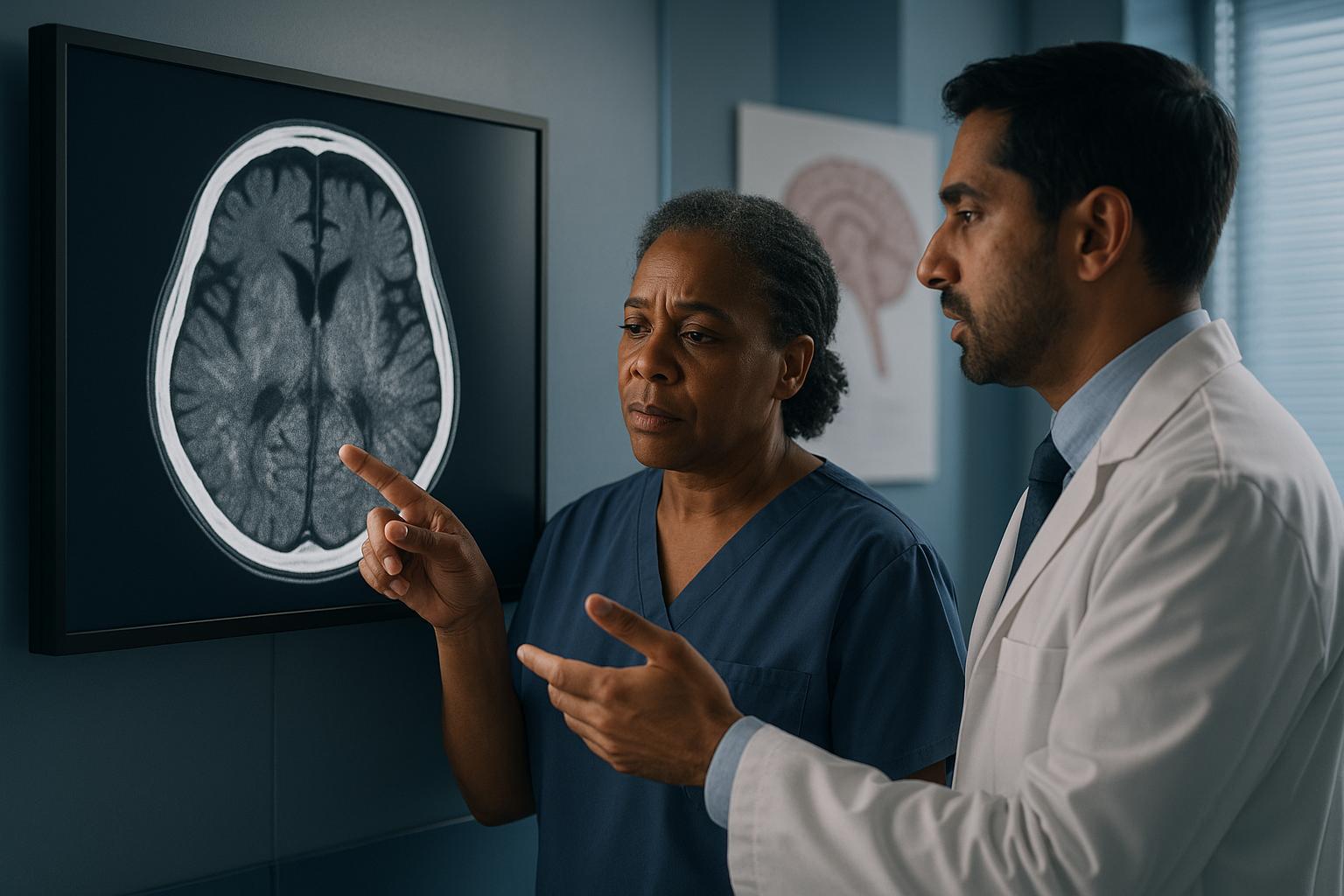
Precision frameworks for TBI classification emphasize multimodal assessment combining clinical data, neuroimaging findings, biomarkers, and individual modifiers to guide treatment planning. This approach recognizes that traumatic brain injury cognitive therapy must address each patient’s specific deficit pattern rather than applying generic protocols.
Comprehensive neuropsychological testing identifies which cognitive domains are impaired and to what degree. A patient with primary attention deficits requires different interventions than one with executive dysfunction or memory impairment. Testing also establishes baseline performance for measuring treatment response. Access to comprehensive neuropsychological evaluation can vary based on location, insurance coverage, and specialist availability—factors worth discussing with your treatment team early in the rehabilitation process.
Functional assessments examine how cognitive deficits affect daily activities. Occupational therapists evaluate whether patients can manage household tasks, drive safely, or perform job-specific duties. These real-world measures guide treatment priorities more effectively than test scores alone.
Treatment intensity and modality are adjusted based on injury characteristics and patient factors. Telehealth-delivered cognitive rehabilitation programs may offer a viable alternative for individuals facing transportation challenges.
Rehabilitation records should reflect evidence that programs were modified based on ongoing assessment. Static, protocol-driven approaches that ignore individual response patterns raise questions about treatment appropriateness and effectiveness.
For legal professionals and healthcare teams seeking support with comprehensive case review and objective analysis, I offer medical-legal consulting services that include IMEs, case review, and medical record evaluation in the domain of traumatic brain injury.
Emerging Technologies in TBI Cognitive Rehabilitation
Internet-delivered cognitive rehabilitation programs have shown improvements in compensatory strategy use and family-reported mood outcomes in preliminary studies, though primary memory outcomes did not differ significantly from control conditions in early trials. These platforms offer advantages in accessibility, cost, and treatment consistency while allowing for remote monitoring and adjustment.
Virtual reality applications are being studied for their ability to simulate complex real-world environments where patients can practice cognitive skills safely. These immersive scenarios may improve transfer of learned strategies to daily life compared to traditional computer-based exercises.
Noninvasive brain stimulation techniques, including transcranial magnetic stimulation and transcranial direct current stimulation, are being investigated as potential augmentative approaches. Early systematic review evidence suggests these modalities might enhance neuroplasticity when combined with cognitive training, though findings remain preliminary and effect sizes vary across studies.
My Approach to Cognitive Rehabilitation
In my years treating individuals with traumatic brain injuries across clinical and medico-legal settings, I’ve found that cognitive rehabilitation works best when grounded in precise functional assessment rather than generic protocols.
From my unique perspective with both medical and legal training, I understand that cognitive deficits must be documented in terms that clearly establish functional limitations—not just test scores. When I evaluate patients post-injury, I focus on how attention, memory, and executive function deficits translate into real-world capacity: Can they manage medication schedules? Follow workplace instructions? Drive safely?
I emphasize early, intensive intervention matched to each patient’s neuropsychological profile. In practice, this means calibrating treatment intensity, modality, and compensatory strategy instruction based on ongoing functional assessment—not just baseline test results.
My role across clinical and medico-legal settings is to provide objective analysis of what specific interventions achieved—and what functional limitations persist despite treatment. This distinction matters in both rehabilitation planning and legal proceedings, where the difference between partial improvement and full functional recovery carries significant consequences.
Conclusion
In summary, traumatic brain injury cognitive therapy offers measurable pathways to functional recovery when grounded in evidence-based, individualized approaches. Research demonstrates that program effectiveness depends on tailoring interventions to specific deficit patterns, injury characteristics, and patient populations rather than applying generic protocols.
As a physician and attorney, I recognize that cognitive rehabilitation rarely restores pre-injury function completely, but structured programs can produce meaningful improvements in attention, memory, and daily independence when started during the post-acute phase.
Based in Reno, Nevada, Ciammaichella Consulting Services, PLLC provides specialized medical-legal services across licensed states such as Texas, California, and Colorado. I am available to travel for expert testimony and in-person evaluations when appropriate. This flexibility allows individuals and legal teams with complex cases to access consistent, expert analysis regardless of location.
If you would like to learn more or request a consultation, I invite you to schedule a virtual meeting today to discuss how precise neuropsychological assessment and evidence-based rehabilitation planning can clarify cognitive capacity and functional limitations in your case.
Whether you need objective medical evaluation for litigation or guidance on appropriate cognitive rehabilitation approaches, my dual medical-legal training provides the comprehensive analysis necessary for informed decision-making.
This article is for educational purposes only and should not be used as a substitute for professional medical advice, diagnosis, or treatment. Always seek the advice of your physician or other qualified healthcare provider with any questions you may have regarding a medical condition or treatment options. Never disregard professional medical advice or delay in seeking it because of something you have read in this article.
Frequently Asked Questions
What cognitive improvements can I expect from brain injury rehabilitation programs?
Most patients experience small to moderate improvements in attention, memory, and executive function when participating in structured cognitive rehabilitation during the post-acute phase. Functional gains—such as better ability to manage schedules, follow workplace instructions, or maintain conversations—often matter more than test score improvements.
Response varies substantially based on injury severity, lesion location, and individual factors. Setting realistic expectations with your treatment team is important—the goal is often to build the strongest possible compensatory toolkit and maximize functional independence rather than to fully reverse all cognitive changes.
How do physicians determine which cognitive therapy approach is right for my injury?
Comprehensive neuropsychological testing identifies specific deficit patterns in attention, memory, or executive function, establishing baseline performance for measuring treatment response. Physicians may incorporate emerging modalities like noninvasive brain stimulation alongside traditional cognitive exercises when appropriate.
Functional assessments examine how cognitive deficits affect daily activities, guiding treatment priorities more effectively than test scores alone. Treatment intensity and modality are adjusted based on injury characteristics, fatigue levels, transportation access, and co-occurring conditions. Programs should be modified based on ongoing assessment rather than following static protocols.
Can cognitive rehabilitation help with long-term brain injury symptoms years after my accident?
Evidence supports cognitive rehabilitation primarily during the post-acute phase—generally three to six months post-injury—when spontaneous recovery has plateaued, but neural plasticity remains active. Some studies show benefits in patients with long-standing symptoms, particularly when programs target specific functional limitations rather than attempting broad cognitive restoration.
Patients with persistent difficulties years after injury benefit most from expert neuropsychological evaluation to identify which deficits remain amenable to intervention versus those requiring compensatory strategies. The presence of treatment does not automatically indicate recovery, and residual impairment may persist despite program participation.
About the Author
Dr. Ellia Ciammaichella, DO, JD, is a triple board-certified physician specializing in Physical Medicine & Rehabilitation, Spinal Cord Injury Medicine, and Brain Injury Medicine. With dual degrees in medicine and law, she offers a rare, multidisciplinary perspective that bridges clinical care and medico-legal expertise. Dr. Ciammaichella helps individuals recover from spinal cord injuries, traumatic brain injuries, and strokes—supporting not just physical rehabilitation but also the emotional and cognitive challenges of life after neurological trauma. As a respected independent medical examiner (IME) and expert witness, she is known for thorough, ethical evaluations and clear, courtroom-ready testimony. Through her writing, she advocates for patient-centered care, disability equity, and informed decision-making in both medical and legal settings.
Medical Expert Services
Dr. Ciammaichella provides expert medical consulting for attorneys handling complex injury cases: