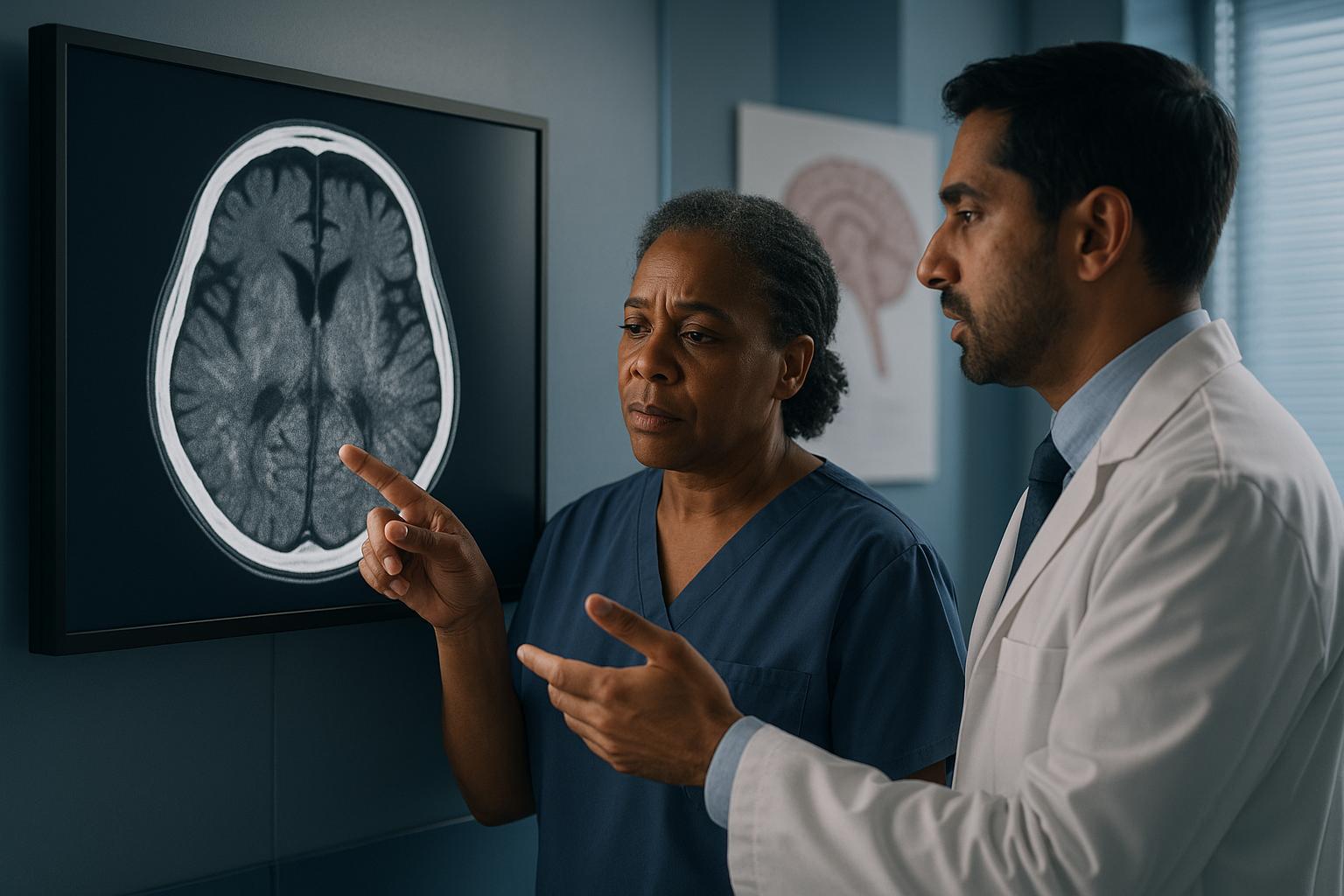
Long-Term Effects of Traumatic Brain Injury: A Physician’s Guide
By Ellia Ciammaichella, DO, JD
Triple Board-Certified in Physical Medicine & Rehabilitation, Spinal Cord Injury Medicine, and Brain Injury Medicine
Quick Insights
Long-term effects of traumatic brain injury include persistent physical, cognitive, and emotional impairments that can last years after the initial injury. These effects may involve chronic headaches, memory difficulties, mood changes, and reduced independence in daily activities. While many survivors show improvement over time, some experience lasting disability that affects employment and quality of life. Early medical evaluation helps identify which symptoms require ongoing management and rehabilitation support.
Key Takeaways
- Research shows mortality rates reach 39% after severe TBI, with 80% of survivors achieving functional independence by one year.
- Cognitive function often stabilizes between one and seven years post-injury, though some impairments persist indefinitely.
- TBI increases long-term risk of dementia, violent behavior, and neurodegenerative conditions like ALS beyond the acute recovery phase.
- Employment outcomes vary widely, with many survivors facing challenges returning to their previous work capacity and social roles.
Why It Matters
Understanding these long-term effects helps patients and families prepare for realistic recovery timelines and necessary lifestyle adjustments. Recognizing persistent symptoms early allows for timely interventions that may preserve independence and prevent secondary complications. This knowledge empowers informed decisions about rehabilitation intensity, workplace accommodations, and long-term care planning that directly impact daily functioning and overall well-being.
Introduction
As a board-certified physiatrist and attorney based in Reno, I evaluate traumatic brain injury cases across multiple jurisdictions. My academic background and dual training reflect the credentials and experience of Ellia Ciammaichella, DO, JD.
Long-term effects of TBI include persistent physical, cognitive, and emotional impairments that can last for years beyond the initial injury. These effects range from chronic headaches and memory difficulties to mood changes and reduced independence in daily activities.
Research demonstrates that while mortality and unfavorable outcomes remain high after severe TBI, a considerable proportion of survivors achieve favorable long-term outcomes.
My dual training allows me to evaluate how medical findings translate into functional and legal significance. Clear documentation of these long-term effects is critical when injuries carry lasting functional implications.
This guide explains what medical evidence reveals about chronic impairment patterns and quality of life trajectories after traumatic brain injury. For further exploration of ICD-10 classification for traumatic brain injury and its implications, you can review my comprehensive guide on recent diagnostic code updates.
Understanding Traumatic Brain Injury and Its Progression
Traumatic brain injury occurs when external force damages the brain, causing immediate and delayed cellular changes. The initial impact triggers a cascade of biochemical events that continue for days or weeks after injury. These secondary processes include inflammation, disrupted blood flow, and metabolic dysfunction that compound the original damage.
In my practice of evaluating patients years after injury, I observe that recovery patterns vary significantly based on injury severity and location. Studies have shown that disability and cognition appear relatively stable from one year to seven years post-injury, though some patients continue improving while others plateau early. This variability makes early prognosis challenging and underscores why longitudinal documentation matters in medico-legal contexts.
The brain’s attempt to reorganize and compensate for damaged areas drives much of the recovery process. Neuroplasticity allows some functional improvement, but this capacity diminishes over time. Patients who show minimal improvement by one year often face permanent limitations that affect independence and employment capacity.
Physical Effects That Persist After TBI
Chronic headaches represent one of the most common long-term physical complaints after traumatic brain injury. These headaches often resemble migraines or tension-type patterns and may persist for years. Balance problems and dizziness frequently accompany headaches, limiting mobility and increasing fall risk.
Motor impairments vary widely depending on which brain regions sustained damage. Some patients experience weakness, coordination difficulties, or spasticity that interferes with daily activities. Research demonstrates that mortality rates reach 39% after severe TBI, with 80% of survivors achieving functional independence by twelve months. Focal lesions on imaging often predict better outcomes than diffuse injury patterns.
Fatigue affects most survivors and often proves more disabling than visible physical deficits. This exhaustion differs from normal tiredness and doesn’t improve with rest. Sleep disturbances compound fatigue, creating a cycle that reduces overall function and quality of life.
Cognitive Impairments and Memory Challenges
Memory difficulties represent the most frequently reported cognitive complaint after traumatic brain injury. Patients typically struggle more with forming new memories than recalling information learned before injury. This pattern reflects damage to structures like the hippocampus that process and consolidate new information.
Attention and concentration problems interfere with work, reading, and conversation. Patients describe feeling mentally foggy or unable to filter distractions. Processing speed often slows, making tasks take longer and increasing mental fatigue. Evidence indicates that while persisting cognitive sequelae remain common, a considerable proportion of survivors achieve favorable cognitive outcomes over time.
Executive function deficits affect planning, organization, and problem-solving abilities. These higher-level cognitive skills prove essential for independent living and employment. When reviewing medical records in these cases, I focus on documented functional limitations rather than test scores alone, as real-world impact matters most for disability determination.
To learn more about brain injuries caused by repeated head trauma and associated risks, see my detailed discussion on cumulative TBI effects.
Emotional and Behavioral Changes Over Time
Depression affects approximately one-third of traumatic brain injury survivors and may emerge months or years after injury. This depression stems from both neurological damage and psychological adjustment to disability. Anxiety disorders also occur frequently, particularly in patients who experienced the injury in traumatic circumstances.
Irritability and emotional lability create significant interpersonal challenges. Patients may experience rapid mood shifts or emotional responses disproportionate to situations. Family members often report personality changes that strain relationships and social connections. Research demonstrates that TBI increases long-term risk of violence and behavioral changes beyond the acute recovery phase.
Apathy and reduced motivation affect many survivors, limiting engagement in rehabilitation and daily activities. This symptom differs from depression and reflects damage to frontal brain regions that drive goal-directed behavior. The combination of cognitive and emotional changes often proves more disabling than physical impairments alone.
Quality of Life and Long-Term Independence
Quality of life after traumatic brain injury depends on multiple interacting factors beyond medical symptoms. Functional independence in self-care, mobility, and household management strongly influences overall well-being. Social participation and meaningful relationships matter as much as physical recovery for most survivors.
Studies have shown that quality of life correlates closely with functional outcome measures, and factors like higher age and diffuse brain injury associate with deterioration over time. Patients who achieve early favorable outcomes typically maintain those gains, though some experience a gradual decline.
Financial strain compounds other challenges when injuries prevent a return to previous employment. Medical expenses, lost income, and the need for ongoing care create a significant burden. Access to rehabilitation services and support systems significantly affects long-term outcomes and independence levels.
Employment and Social Reintegration Outcomes
Return to work represents a critical milestone for traumatic brain injury survivors, yet many face substantial barriers. Cognitive impairments, fatigue, and behavioral changes often prevent return to previous job duties even when physical recovery appears complete. Workplace accommodations help some patients maintain employment, but others require job modifications or career changes.
Meta-analysis findings show variable post-injury employment prevalence across studies, reflecting the complex interplay of injury severity, pre-injury employment status, and available support. Younger patients and those with higher education levels generally achieve better vocational outcomes.
Social isolation frequently develops as survivors lose connections with colleagues and struggle to maintain friendships. Communication difficulties and behavioral changes make social interaction exhausting. Family relationships often shift as spouses or parents assume caregiving roles. These psychosocial consequences affect quality of life as significantly as physical and cognitive impairments.
My Approach to Evaluating Long-Term TBI Cases
Through my combined two decades of experience in medicine and law, I’ve found that understanding long-term effects requires looking beyond initial recovery milestones.
Many patients show improvement during the first year, but subtle cognitive and emotional changes often persist indefinitely. Research demonstrates that while a considerable proportion of survivors achieve favorable outcomes, persisting sequelae remain common across physical, cognitive, and psychosocial domains. From my unique perspective with both medical and legal training, I recognize that accurate documentation of these chronic impairments proves essential for fair damage assessment in litigation.
When reviewing medical records for either plaintiffs or defendants, I focus on functional limitations rather than diagnostic labels alone. Employment capacity, independence in daily activities, and quality of life changes matter more than test scores when determining long-term impact. My dual training allows me to translate complex medical findings into clear documentation that serves physicians, attorneys, and litigants equally.
If your case requires objective medical-legal consulting, including IMEs, medical record review, or expert testimony for brain injury claims, our practice can assist with comprehensive, evidence-based analysis.
Individual outcomes vary significantly based on injury severity, location, and access to rehabilitation services.
Conclusion
In summary, long term effects of tbi include persistent physical, cognitive, and emotional impairments that can last for years beyond the initial injury. Research demonstrates that most long-term survivors with early favorable outcomes maintain late favorable functional outcomes, though higher age and diffuse brain injury are associated with deterioration over time.
As a physician and attorney, I recognize that accurate documentation of these chronic impairments proves essential for fair damage assessment in both medical and legal contexts.
Through Ciammaichella Consulting Services, PLLC, based in Reno, Nevada, Dr. Ellia Ciammaichella provides medical-legal services across her nine licensed states, including Texas and California. I am available to travel for expert testimony and in-person evaluations when appropriate. This flexibility allows individuals and legal teams with complex cases to access consistent, expert analysis regardless of location.
I invite you to request a consultation today to discuss how a comprehensive medical evaluation and clear documentation can provide clarity about long-term functional limitations and their impact on independence, employment capacity, and quality of life.
This article is for educational purposes only and should not be used as a substitute for professional medical advice, diagnosis, or treatment. Always seek the advice of your physician or other qualified healthcare provider with any questions you may have regarding a medical condition or treatment options. Never disregard professional medical advice or delay in seeking it because of something you have read in this article.
Frequently Asked Questions
How do medical findings after TBI affect legal case evaluation?
Medical documentation of cognitive impairments, functional limitations, and quality of life changes directly influences damage assessment in litigation. Objective testing results, imaging findings, and longitudinal functional assessments help establish causation and quantify permanent impairment.
Evidence indicates that TBI carries elevated long-term risks, including dementia and neurodegenerative conditions, making early comprehensive evaluation critical. Clear medical records that document these trajectories support fair compensation determination for both plaintiffs and defendants.
Can cognitive function improve years after traumatic brain injury?
Cognitive recovery patterns vary significantly based on injury severity and location. Most improvement occurs during the first year, with function typically stabilizing between one and seven years post-injury. Some patients continue showing gradual gains while others plateau early or experience decline.
Factors like age, diffuse versus focal injury patterns, and access to rehabilitation influence long-term trajectories. Ongoing cognitive screening helps identify patients who may benefit from continued interventional therapies or workplace accommodations.
What services does Dr. Ciammaichella provide across multiple states?
I offer independent medical examinations, medical record reviews, expert testimony, and consultation services for both plaintiffs and defendants in personal injury and workers’ compensation cases. My triple board certification in Physical Medicine & Rehabilitation, Spinal Cord Injury Medicine, and Brain Injury Medicine allows comprehensive evaluation of complex neurologic injuries.
I conduct virtual consultations across all licensed states and travel for in-person evaluations when appropriate. My dual medical-legal training enables clear translation of clinical findings into documentation that serves both medical and legal needs.
About the Author
Dr. Ellia Ciammaichella, DO, JD, is a triple board-certified physician specializing in Physical Medicine & Rehabilitation, Spinal Cord Injury Medicine, and Brain Injury Medicine. With dual degrees in medicine and law, she offers a rare, multidisciplinary perspective that bridges clinical care and medico-legal expertise. Dr. Ciammaichella helps individuals recover from spinal cord injuries, traumatic brain injuries, and strokes—supporting not just physical rehabilitation but also the emotional and cognitive challenges of life after neurological trauma. As a respected independent medical examiner (IME) and expert witness, she is known for thorough, ethical evaluations and clear, courtroom-ready testimony. Through her writing, she advocates for patient-centered care, disability equity, and informed decision-making in both medical and legal settings.

Medical Expert Services
Dr. Ciammaichella provides expert medical consulting for attorneys handling complex injury cases: