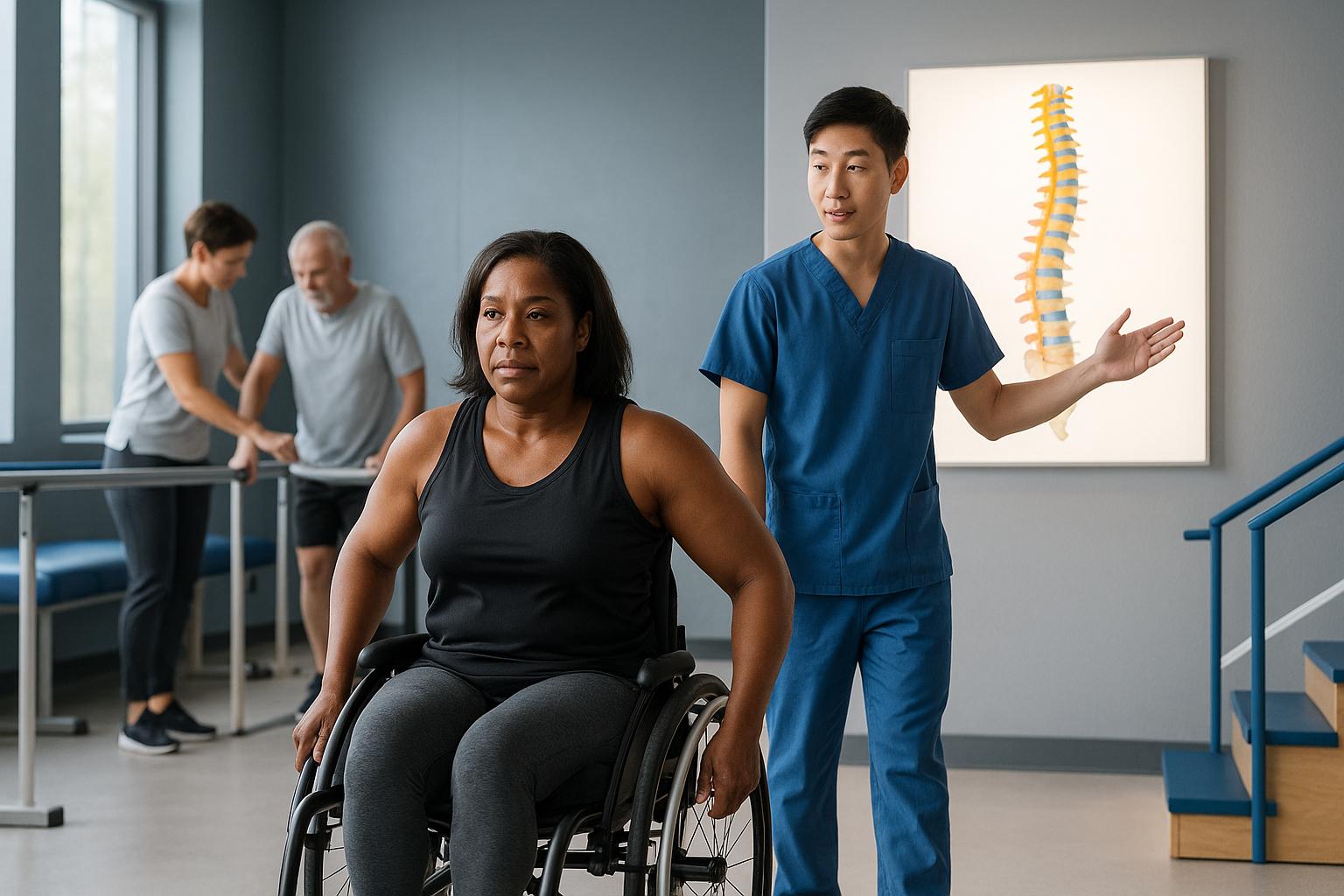
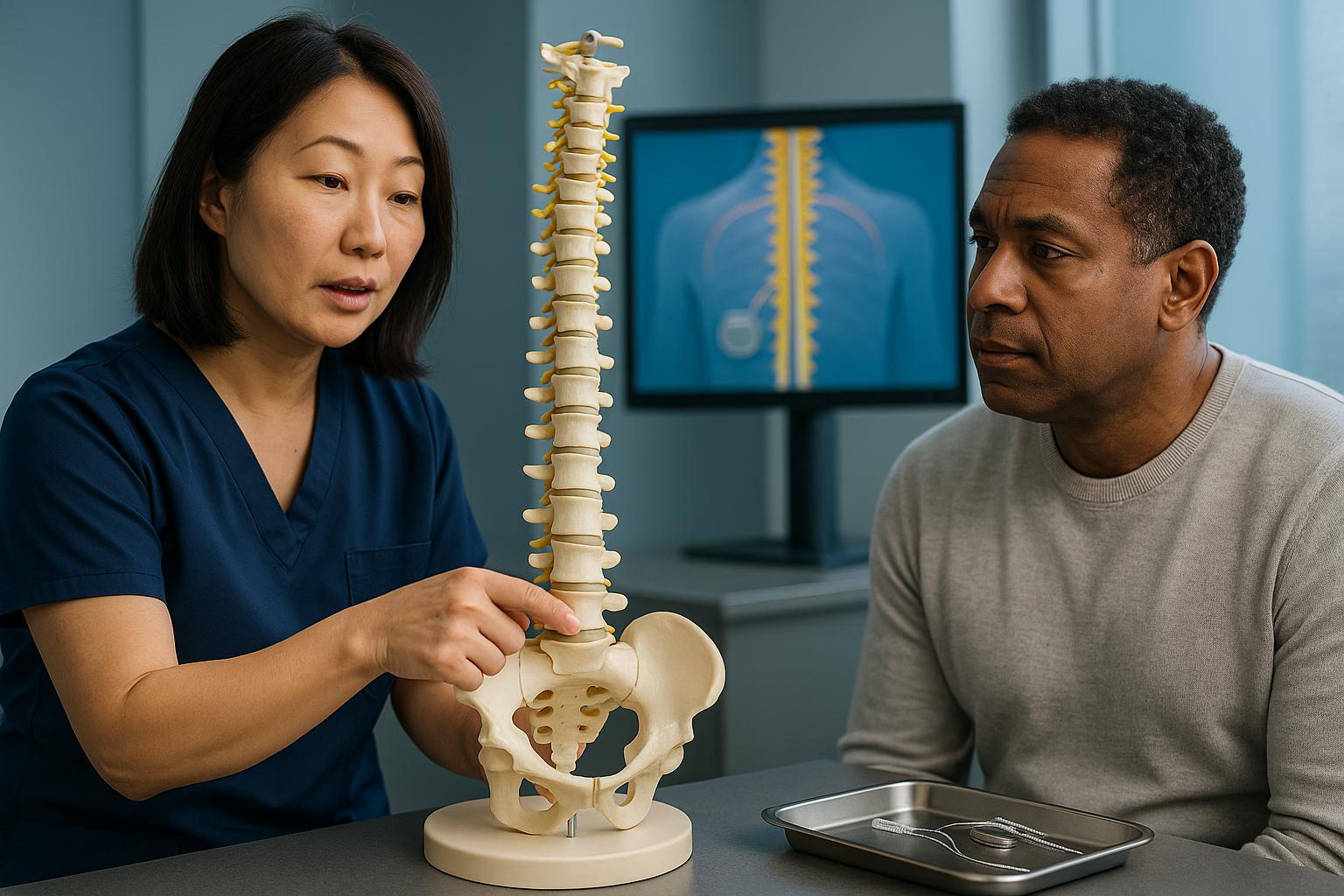
Bed Mobility Challenges After Spinal Cord Injury
By Ellia Ciammaichella, DO, JD
Triple Board-Certified in Physical Medicine & Rehabilitation, Spinal Cord Injury Medicine, and Brain Injury Medicine
Quick Insights:
Bed mobility after SCI encompasses the skills of rolling, repositioning, and transitioning from lying to sitting—foundational abilities that determine independence in daily living and help prevent life-threatening secondary complications such as pressure injuries. The neurological level and completeness of spinal cord injury directly predict bed mobility capacity, with cervical injuries typically requiring maximal assistance and adaptive equipment while thoracic injuries often permit modified independence with structured training. Validated outcome measures, particularly the Spinal Cord Independence Measure (SCIM), provide the evidence-based framework for accurately quantifying functional deficits and projecting long-term care needs. Attorneys handling catastrophic injury cases benefit from physiatric expertise that addresses the full complexity of functional prognosis, rehabilitation standards, and lifetime assistance requirements.
Key Takeaways
- Bed mobility limitations vary significantly by injury level: cervical SCI typically requires assistive devices and caregiver support, while thoracic injuries often permit modified independence with training and adaptive equipment
- Validated assessment tools like the Spinal Cord Independence Measure (SCIM) quantify bed mobility capacity and inform long-term care needs essential to life care planning
- Structured rehabilitation programs—including transfer training, wheelchair skills training, and advanced strengthening—research suggests can improve bed mobility performance and reduce caregiver burden even in chronic SCI
- Medical-legal cases involving SCI require physiatrist expertise to accurately assess functional prognosis, standard of care adherence, and lifetime assistance requirements
Why It Matters
Bed mobility deficits affect over 17,000 Americans who sustain new spinal cord injuries each year, representing a critical determinant of independence, caregiver burden, and quality of life across the lifespan. For attorneys handling catastrophic injury cases nationwide, accurate assessment of bed mobility limitations directly informs life care plan costs, damages calculations, and evaluation of rehabilitation adequacy. Understanding the relationship between injury level, functional capacity, and evidence-based interventions is essential for both maximizing patient recovery outcomes and establishing a defensible medical-legal foundation for comprehensive compensation.
Understanding Bed Mobility Challenges After Spinal Cord Injury
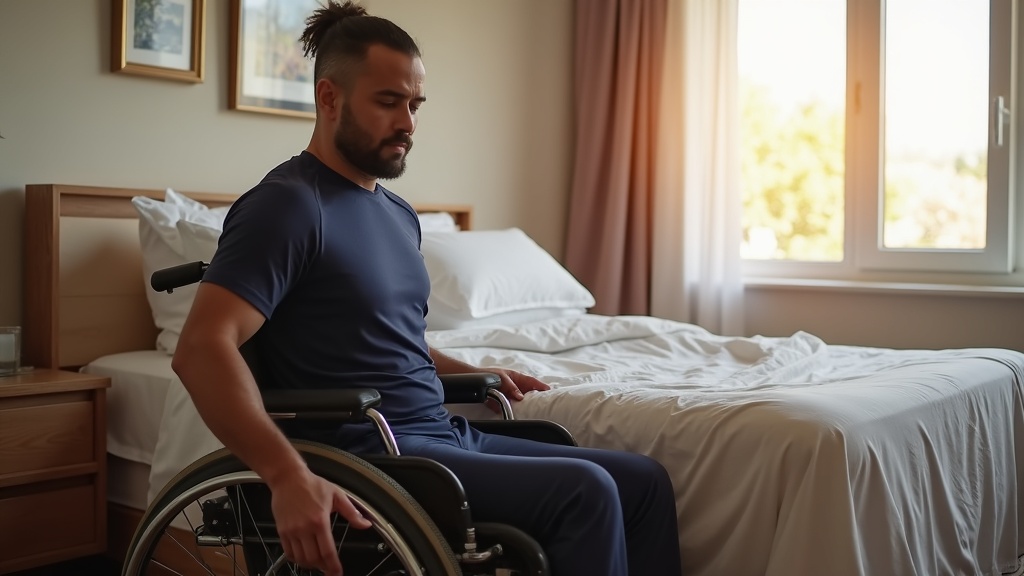
Bed mobility after SCI is considerably more complex than the term implies. It encompasses the capacity to roll side to side, reposition the pelvis and trunk, bridge, and transition from supine to sitting—skills that underpin pressure injury prevention, sleep quality, bowel and bladder management, and independence across nearly every activity of daily living. For patients and attorneys alike, understanding what determines bed mobility capacity, and what rehabilitation approaches can meaningfully improve it, is clinically and legally essential. A multi-center international validation study published in the Journal of Spinal Cord Medicine (2024), encompassing 648 inpatients across 19 spinal cord lesion units in 11 countries, established the Spinal Cord Independence Measure Version IV (SCIM IV) as the gold standard for quantifying these functional deficits—providing the validated, internationally tested framework that rigorous functional assessment demands.
I am Dr. Ellia Ciammaichella, DO, JD, triple board-certified in Physical Medicine & Rehabilitation, Spinal Cord Injury Medicine, and Brain Injury Medicine. Based in Reno, Nevada, I bring dual medical and legal training to the assessment of functional outcomes after spinal cord injury. In my practice, I see how accurate bed mobility assessment shapes every aspect of life care planning—from caregiver hour requirements and durable medical equipment to home modification needs and long-term rehabilitation projections.
Important Clinical Context
Bed mobility capacity correlates directly with neurological level of injury (NLI) and ASIA Impairment Scale (AIS) grade. Cervical injuries (C1–C8) typically result in maximal to total assistance requirements, as impaired scapular stabilizers, elbow extensors, and hand function eliminate the independent movement strategies available to individuals with lower-level injuries. High thoracic injuries (T1–T6) often achieve modified independence with appropriate adaptive equipment—overhead trapeze bars, bed rails, and repositioning wedges—while lower thoracic and lumbar injuries frequently permit full independence with trained technique.
Critically, bed mobility is not a static outcome: structured rehabilitation can yield meaningful gains even years after injury, and secondary complications—including spasticity, shoulder pathology, and pain from overuse—can erode independence that was established during initial rehabilitation. Accurate functional assessment must also account for real-world environmental factors: hospital bed height versus home bed height, mattress firmness, and the availability of adaptive equipment all significantly affect what a patient can accomplish independently.
The Neurological Basis of Bed Mobility After Spinal Cord Injury

Spinal cord injury disrupts the motor and sensory pathways that govern every component of bed mobility. Trunk control—the biomechanical foundation of rolling, bridging, and sit-to-supine transitions—depends on intact innervation of thoracic segments; its absence in cervical and high thoracic injuries fundamentally alters how patients must approach repositioning. Upper extremity strength, governed by cervical segments C5 through T1, provides the compensatory force that individuals with preserved arm function use to execute momentum-based rolling, grasp bed rails, and push into a sitting position. Proprioception—sensory awareness of body position—further guides these movements, and its impairment compounds the motor deficits inherent to cervical SCI.
Cervical injuries eliminate or severely limit scapular stabilizers, elbow extensors, and hand function, making independent bed mobility nearly impossible without adaptive equipment or caregiver assistance. By contrast, individuals with thoracic injuries retain full upper extremity strength, enabling compensatory strategies—momentum-based rolling, pushing from bed rails, leveraging arm strength against the mattress surface—that can achieve modified or full independence with training. The relationship between upper extremity function and overall ADL independence in SCI is well established: a cross-sectional study of 25 adults with cervical and thoracic SCI published in Scientific Reports (2023) demonstrated that upper extremity performance measures—including grip strength, movement time, and fine motor assessments—correlate with SCIM-based ADL independence, illustrating how neurological motor preservation directly predicts functional outcomes across injury levels.
Sitting balance represents another critical determinant of bed mobility capacity. In tetraplegia, compromised trunk control impairs both wheelchair positioning and bed repositioning. A randomized controlled study of 24 adults with chronic cervical SCI published in Medicina (2023) found that a structured wheelchair skills training program significantly improved sitting balance compared to controls who received no such training. While the study focused on balance and pulmonary outcomes rather than measuring bed transfers directly, these findings suggest that interventions targeting trunk stability may indirectly support bed mobility capacity—a clinically plausible relationship that warrants further investigation.
A multi-center Rasch validation study (Journal of Spinal Cord Medicine, 2024; n=648 inpatients across 19 SCI units in 11 countries) confirmed that the Spinal Cord Independence Measure Version IV (SCIM IV) reliably quantifies functional independence—including ADL and self-care domains—across SCI levels and diverse international populations, supporting its use as the clinical and litigation-grade standard for assessing functional deficits in spinal cord injury cases.
Evidence-Based Interventions to Improve Bed Mobility and Transfer Independence

The capacity to improve bed mobility and transfer independence through structured rehabilitation is well supported in the literature, though most studies are limited by small sample sizes—a reflection of the inherent challenges of conducting large-scale trials in SCI rehabilitation populations. What the evidence consistently indicates is that targeted, task-specific training can yield clinically meaningful gains in functional independence across the SCI spectrum.
Structured Transfer Training Programs
Targeted transfer training is the most directly applicable rehabilitation intervention for improving bed mobility and transfer independence in SCI. A randomized controlled trial of 22 transfer-dependent SCI patients published in the Journal of Physical Therapy Science (2017) found that a structured pivot transfer exercise program—delivered in 30-minute sessions three times weekly over six weeks—significantly improved Transfer Assessment Instrument scores and overall SCIM scores compared to conventional physical therapy alone, with gains documented across mobility, toilet transfers, and ADL capacity. The results are encouraging, though the small sample size (N=22) and enrollment limited to patients who were already transfer-dependent means that generalizability to all SCI levels warrants some caution. What this research indicates is that targeted transfer training can produce meaningful functional gains even in patients with established dependence.
Wheelchair Skills Training and Functional Carryover
Wheelchair skills training—while primarily designed to improve propulsion efficiency and community mobility—builds the upper body strength, coordination, and postural control that may carry over to bed mobility and transfers. A multi-site randomized controlled trial of 114 manual wheelchair users with SCI published in Archives of Physical Medicine and Rehabilitation (2016) found that participants who attended more sessions of a group wheelchair skills training program demonstrated improvements in advanced wheelchair skills capacity, with goal attainment averaging 65.6% at follow-up. It is important to note that the study found no significant overall group differences in total skills scores between the intervention and active control conditions; gains were most pronounced among participants with high attendance and lower baseline skills. The direct carryover to bed mobility was not measured. Complementing these findings, the randomized trial in Medicina (2023) demonstrated that wheelchair skills training improved sitting balance in chronic tetraplegia—a foundational component of bed repositioning that suggests functional carryover beyond propulsion alone.
Advanced Strengthening and Functional Electrical Stimulation
For patients with paraplegia, advanced weight-bearing mat exercises (AWME) provide a mechanism to build upper extremity and trunk strength directly applicable to transfers and bed repositioning. A randomized controlled trial of 16 adults with chronic traumatic paraplegia published in Spinal Cord (2020) found that AWME improved SCIM-III transfer items by approximately 1.8 to 2 points compared to no-exercise controls, with additional gains when functional electrical stimulation (FES) was combined with exercise—yielding approximately 4.1 points of total functional independence improvement in the AWME+FES group versus control. The study is small (N=16) and enrolled patients with paraplegia only, so applicability to tetraplegia remains uncertain. Nevertheless, the findings support advanced strengthening as a meaningful adjunctive intervention in patients with appropriate residual motor function, typically delivered in inpatient or outpatient rehabilitation settings where specialized equipment and trained therapists are available.
Long-Term Outcomes and Rehabilitation Trajectory After Spinal Cord Injury
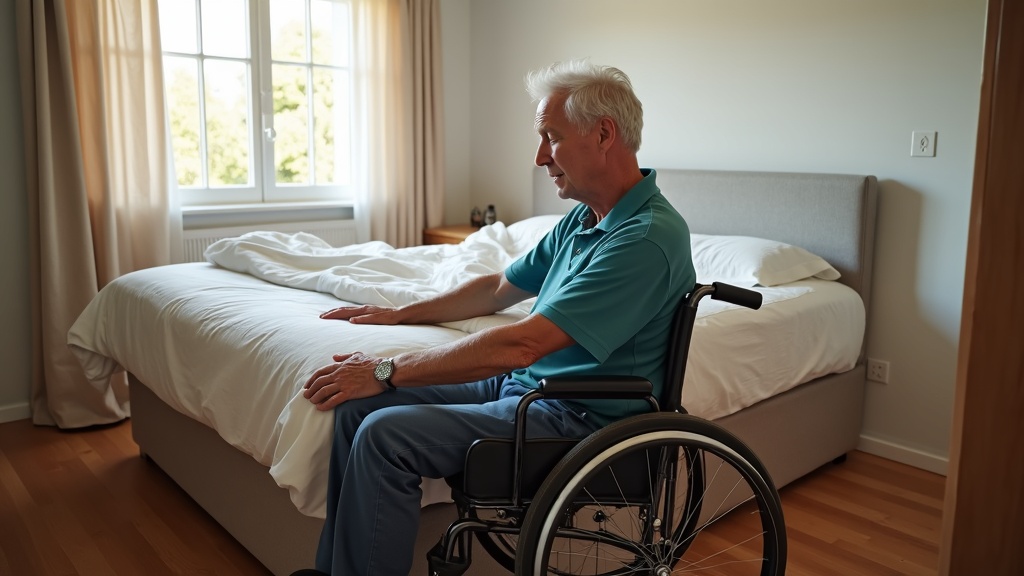
The longitudinal course of bed mobility and transfer independence after SCI follows a trajectory with direct implications for life care planning. Long-term follow-up data in SCI populations indicates that functional outcomes—including mobility and autonomy domains—tend to plateau after the initial rehabilitation phase, with the majority of gains occurring within the first year post-injury. This pattern of early improvement followed by stabilization underscores the permanency of bed mobility limitations: the functional capacity documented at discharge is likely to persist or decline over time, not spontaneously resolve.
A clinical practice guideline on acute SCI rehabilitation published in Global Spine Journal (2017), developed through systematic literature review and multidisciplinary expert consensus using GRADE methodology, emphasizes that rehabilitation should be initiated as soon as patients are medically stable and can tolerate therapy intensity. The guideline’s recommendations for early, goal-directed functional training—including mobility and transfer-related activities—establish the benchmark standard of care against which rehabilitation adequacy is evaluated in medical-legal cases. When inpatient rehabilitation is curtailed by insurance limitations or logistical barriers before patients have achieved their functional potential, the resulting deficits can be documented, analyzed, and attributed to inadequate care.
Secondary complications compound this trajectory over time. Shoulder pain from repetitive overuse—a well-recognized complication of long-term reliance on upper extremities for transfers and propulsion—can progressively erode independence that was achieved during initial rehabilitation. Spasticity, weight gain, pressure injury recurrence, and age-related changes further diminish bed mobility capacity, requiring ongoing physiatric management to preserve function and prevent avoidable decline.
In my experience, I see patients whose bed mobility capacity at discharge does not reflect their capacity five or ten years later—both because secondary complications were not adequately anticipated in initial rehabilitation planning and because insurance-driven premature discharge cut short the training necessary to build durable independence. This gap between initial functional potential and realized long-term independence is among the most consequential findings in SCI medical-legal review.
Medical-Legal Implications of Bed Mobility Deficits in Spinal Cord Injury Cases
Accurate assessment of bed mobility limitations is central to life care planning, damages calculation, and standard of care evaluation in SCI litigation. The complexity of this assessment—requiring both SCI-specific validated instruments and a nuanced understanding of how neurological level predicts functional trajectory—is precisely why physiatric expertise is essential. Many evaluators underestimate the equipment, training, and caregiver assistance required for safe bed mobility across the lifespan, producing life care plans that can systematically undervalue the real cost of care.
The validation of SCIM IV across 648 inpatients in 11 countries, published in the Journal of Spinal Cord Medicine (2024), establishes this instrument as the appropriate standard for litigation-grade functional assessment in SCI cases. When medical records document functional assessments using non-validated or generic ADL scales rather than SCIM, this represents both a clinical inadequacy and an evidentiary gap that requires expert analysis. From my perspective, holding dual medical and legal training combined with subspecialty certification in Spinal Cord Injury Medicine, I evaluate whether the rehabilitation provided met guideline-based standards of care, whether functional assessments used validated SCI-specific instruments, and whether life care plan projections accurately reflect the permanency of bed mobility limitations documented in long-term outcome research.
As Co-Chair of the Advocacy Committee for the Academy of Spinal Cord Injury Professionals, I maintain active involvement in advancing evidence-based standards for spinal cord injury rehabilitation and functional assessment—expertise I bring to every medical-legal case review. Physiatrists are uniquely positioned to assess these cases because we manage SCI patients across the full continuum—from acute rehabilitation through decades of community living—and understand both the medical complexity and the economic implications of functional deficits.
Physiatrist-Led SCI Bed Mobility Assessment
- Uses validated, SCI-specific outcome measures (SCIM) to quantify bed mobility deficits and project long-term care needs
- Assesses bed mobility in the context of neurological level, AIS grade, and expected functional trajectory across the lifespan
- Evaluates secondary complications—shoulder pathology, spasticity, pressure injury risk—that can erode long-term bed mobility independence
- Projects lifetime care needs drawing on SCI-specific longitudinal outcome data and clinical practice guidelines
- Reviews rehabilitation intensity and timing against evidence-based standards of care
- Integrates medical and legal analysis for defensible life care planning and litigation support
Standard Rehabilitation or Orthopedic Assessment
- May rely on generic ADL scales not validated for SCI populations or injury-level functional trajectories
- May assess bed mobility in isolation, without neurological correlation or long-term functional trajectory context
- May focus on acute injury presentation without adequately addressing secondary complications and progressive functional decline
- May project care needs based on short-term recovery without reference to SCI-specific longitudinal literature
- May not assess rehabilitation intensity or timing against guideline-based standards of care
- Typically provides clinical assessment without a medical-legal analytical framework
When Should You Seek a Physiatrist’s Expertise on Bed Mobility After SCI?

Attorneys reviewing SCI cases should consider physiatrist consultation when medical records reveal any of the following patterns: discharge from inpatient rehabilitation with documented bed mobility dependence but no plan for ongoing therapy or adaptive equipment provision; life care plans that fail to account for progressive decline in bed mobility due to secondary complications such as shoulder pathology or spasticity; functional assessments performed using generic ADL scales rather than SCI-specific validated instruments such as SCIM; or cases where the patient achieved substantially less independence than would be predicted by their neurological level and AIS grade, suggesting inadequate rehabilitation.
For patients and families: physiatrist evaluation should be sought when bed mobility has declined after discharge, when shoulder or upper extremity pain is limiting transfer ability, or when current adaptive equipment—bed height, rails, or repositioning devices—is not meeting safety or independence needs. A reassessment of equipment configuration and transfer technique can meaningfully restore independence that has been eroded by progressive secondary conditions.
In my experience, bed mobility is frequently underassessed in medical-legal cases because evaluators focus on ambulation and wheelchair use, missing the foundational ADL deficits that most directly drive caregiver burden and quality of life. A physiatrist’s review ensures that functional limitations are accurately characterized and that rehabilitation adequacy is evaluated against evidence-based standards.
The Medical-Legal Consultation Process for Spinal Cord Injury Cases
Engaging expert physiatric consultation for an SCI case follows a structured process designed to produce defensible, well-supported opinions that translate complex clinical concepts into accessible analyses for legal proceedings. Initial consultation involves submitting medical records—including acute hospitalization documents, inpatient rehabilitation notes, outpatient therapy records, functional assessment scores (SCIM documentation when available), equipment provision records, and any existing life care plans—along with a concise case summary.
I provide comprehensive case review and medical-legal consulting services that systematically analyze neurological examination findings, therapy documentation, functional outcome measures, discharge planning adequacy, and equipment provision decisions. Opinion formation addresses four core questions: whether the neurological injury and documented functional deficits are internally consistent; whether the rehabilitation provided met guideline-based standards of care for SCI; whether functional assessments employed validated SCI-specific instruments; and whether life care plan projections accurately reflect long-term outcomes supported by the scientific literature.
Written reports synthesize medical and legal analysis into clear, well-reasoned opinions on causation, standard of care, and damages—opinions structured to withstand rigorous cross-examination. Deposition and trial testimony, when needed, translates complex physiatric concepts—such as the relationship between neurological level and bed mobility capacity, or the distinction between what a patient can do in a rehabilitation setting versus what they will sustain independently across a lifetime—into language that judges and juries can readily understand. The combination of a physician’s subspecialty clinical knowledge and an attorney’s understanding of evidentiary standards ensures that every analysis is both medically precise and legally defensible.
Record Review
Medical records submitted; neurological findings, therapy notes, and functional outcome measures systematically analyzed
Opinion Formation
Standard of care, functional prognosis, and life care plan accuracy evaluated against evidence-based guidelines and SCI outcome literature
Written Report
Comprehensive medical-legal analysis with clearly stated, defensible opinions on causation, standard of care, and damages
Testimony
Deposition and trial testimony translating complex physiatric findings into clear, accessible language for judges and juries
Conclusion
Bed mobility after spinal cord injury is a level-dependent functional domain that determines independence, caregiver burden, and quality of life across the lifespan. Accurate assessment requires SCI-specific expertise, validated outcome measures, and a thorough understanding of evidence-based rehabilitation standards. Medical-legal cases involving SCI demand physiatric review to ensure that functional limitations are properly characterized, rehabilitation adequacy is evaluated against clinical practice guidelines, and life care plans reflect the permanency of deficits documented in long-term outcome research.
If you are an attorney handling a spinal cord injury case and require expert analysis of bed mobility limitations, rehabilitation adequacy, or life care plan accuracy, I invite you to contact Ciammaichella Consulting Services for expert consultation. Licensed in nine states including Nevada, California, and Texas, I provide expert witness services, independent medical examinations, and comprehensive case reviews for attorneys handling catastrophic injury litigation nationwide. My dual training as a physician and attorney, combined with subspecialty expertise in SCI medicine, ensures that every analysis reflects both clinical precision and legal defensibility.
Need Expert Medical-Legal Consultation for a Spinal Cord Injury Case?
Dr. Ciammaichella provides expert witness services, independent medical examinations, and comprehensive case reviews for attorneys handling SCI, TBI, and stroke cases nationwide. Contact her at (775) 902-6917 or ellia@ciammaichella.com.
This article is for educational purposes only and does not replace professional medical advice, diagnosis, or treatment. The information presented reflects general medical knowledge and Dr. Ciammaichella’s clinical experience; it is not intended as legal advice or a substitute for case-specific medical-legal consultation. Always consult with a qualified physician regarding individual medical conditions and with an attorney regarding legal matters. Results and outcomes discussed in this article reflect specific study populations and clinical scenarios; individual circumstances vary.
Triple Board-Certified in Physical Medicine & Rehabilitation, Spinal Cord Injury Medicine, and Brain Injury Medicine · Ciammaichella Consulting Services PLLC, Reno
Frequently Asked Questions
Medical Expert Services
Dr. Ciammaichella provides expert medical consulting for attorneys handling complex injury cases: