By Ellia Ciammaichella, DO, JD
Triple Board-Certified in Physical Medicine & Rehabilitation, Spinal Cord Injury Medicine, and Brain Injury Medicine
Quick Insights:
Home care for spinal cord injury encompasses a complex, lifelong continuum of services that research suggests vary significantly by injury level, completeness, and functional capacity. Professional care assistance, family caregiver support, and skilled nursing services form overlapping layers of help that must be precisely quantified for litigation and lifetime care projections. A physiatrist’s assessment framework connects specific functional deficits to care tasks, hours, and costs across the lifespan. Attorneys handling catastrophic injury cases benefit from physiatric expertise that translates these clinical realities into defensible, evidence-based projections.
Key Takeaways
- Research suggests that home-based care needs after SCI are largely determined by injury level (tetraplegia vs. paraplegia), completeness (AIS classification), and functional independence scores measured by validated tools such as SCIM and FIM
- Studies indicate that personal care support encompasses ADL assistance, bowel and bladder management, skin care, mobility support, and medical monitoring, each quantifiable for lifetime care projections
- Professional home care supplements (not replaces) informal family caregiving, with hours ranging from modest weekly support to 24-hour coverage depending on injury severity and functional status
- Accurate lifetime cost projections typically require physiatrist-led assessment that accounts for aging with SCI, secondary complications, and evolving care intensity over decades
Why It Matters
Spinal cord injury is among the most catastrophic diagnoses in personal injury and medical malpractice litigation, with lifetime costs that can range from approximately $1.5 million to over $5 million depending on injury level according to National Spinal Cord Injury Statistical Center (NSCISC) estimates. Home care and attendant services represent the largest component of these damages, yet they are frequently underestimated in care cost analyses prepared without physiatry expertise. Attorneys handling SCI cases nationwide rely on physiatrists to translate functional deficits into defensible, evidence-based care projections that withstand scrutiny at deposition and trial. For individuals living with SCI and their families, understanding the full scope of home-based care needs is essential for securing adequate resources and maintaining quality of life across decades.
Understanding Lifetime Home Care Needs After Spinal Cord Injury
Spinal cord injury does not end at hospital discharge. It creates a lifetime continuum of home care for spinal cord injury that begins in acute rehabilitation and extends across decades in the community. The central clinical question I encounter in my practice is straightforward but frequently underaddressed: how do we accurately identify, categorize, and quantify the care assistance and home-based services an individual with SCI will require over a lifetime?
Research published in the Journal of Life Care Planning (2023) comparing NSCISC cost data with life care planning methodology confirms that accurate damages calculations require clinical expertise specific to spinal cord injury medicine. In my work reviewing lifetime care projections and providing expert medical-legal opinions, I see plans that overlook the nuanced, evolving nature of SCI care needs. This article outlines the framework I use as a Dr. Ellia Ciammaichella, DO, JD, triple board-certified in Physical Medicine & Rehabilitation, Spinal Cord Injury Medicine, and Brain Injury Medicine, based in Reno, Nevada, to assess functional deficits, map them to specific care tasks, and project costs that serve attorneys nationwide.
Important Clinical Context
Home-based care needs after SCI are not static. They evolve with aging, secondary complications (pressure injuries, autonomic dysreflexia, neurogenic bladder and bowel dysfunction), and changes in caregiver availability. Functional capacity at discharge represents a baseline, not a ceiling; many individuals with SCI experience declining independence over time. Injury level (cervical vs. thoracic vs. lumbar) and completeness (AIS A through D) serve as the primary determinants of care intensity, but individual factors including age, comorbidities, living situation, and caregiver support also shape long-term needs. Clinical guidelines from NICE (2016) emphasize that all individuals with spinal cord injury should receive a lifetime of personalized care guided by specialist expertise.
The Spectrum of Home Care After Spinal Cord Injury
In my experience, home care after SCI operates across three overlapping categories. The first is informal care provided by family members and friends, which typically constitutes the majority of daily support, particularly in the early years following injury. The second is professional attendant care, encompassing non-medical assistance with activities of daily living (ADLs), transfers, and personal care. The third is skilled nursing care, which addresses medical tasks requiring clinical licensure, such as complex wound care, catheter management, and ventilator oversight for high cervical injuries.
These layers interact in important ways. Professional care supplements rather than replaces informal caregiving, and skilled nursing services address medical complexity that exceeds the scope of personal care support. The balance between these categories shifts over time: early post-discharge care is often family-intensive, while aging with SCI increasingly demands professional services as informal caregivers themselves age or experience burnout.
A cross-sectional study published in BMC Health Services Research (2023) of community-dwelling adults with SCI (n ≈ 1,294) found that professional home care use was strongly predicted by lower functional independence scores, tetraplegia, living alone, and older age, with median professional care hours of approximately 6 per week varying by gender and injury level. A systematic review published in Spinal Cord (2016) of caregiving services confirmed that care intensity and hours are contingent on injury level, severity, and completeness, with significant variability among individuals. These findings suggest that informal care carries much of the burden in community settings, a pattern that is often unsustainable over decades. Litigation must account for both paid and unpaid care to reflect true lifetime costs.
Wagner et al. (BMC Health Services Research 2023, n ≈ 1,294): Professional home care use in community-dwelling adults with SCI was strongly predicted by lower functional independence (SCIM-SR) scores. Median professional care hours were approximately 6 per week, suggesting that informal caregivers carry much of the daily burden, a pattern with significant implications for lifetime cost projections.
Categories of Attendant Care and Their Functional Determinants
Activities of Daily Living and Personal Care
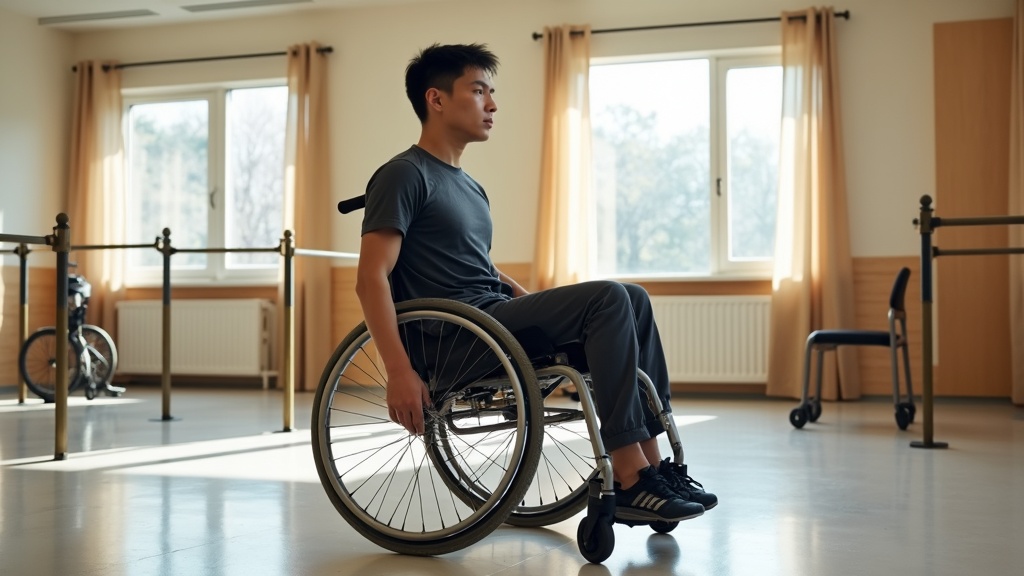
ADL assistance encompasses bathing, dressing, grooming, feeding, toileting, and transfers. Injury level directly determines the degree of independence: individuals with tetraplegia (particularly high cervical injuries at C4 and above) typically require near-total assistance across all ADLs, while those with paraplegia may achieve independence in upper-body tasks but need help with lower-body care and transfers. The Spinal Cord Independence Measure (SCIM) serves as the gold standard for quantifying ADL deficits in this population, and evidence synthesized by the SCIRE Project (2024) demonstrates that self-care ability is a strong, significant predictor of care requirements over time. In my practice, I find that even individuals classified as “independent” often require standby assistance for safety during transfers and bathing, a care need that must be captured in lifetime care projections.
Bowel, Bladder, and Skin Management
Neurogenic bowel and bladder programs represent some of the most medically complex components of daily home care. These programs include scheduled catheterization, digital stimulation, suppository administration, and continuous monitoring for autonomic dysreflexia during bowel care. Skin care (pressure relief, systematic inspection, and repositioning) constitutes a daily, non-negotiable task that prevents life-threatening pressure injuries. Clinical guidelines from NICE (2016) underscore that lifelong, personalized care coordinated by SCI specialists is the standard for managing these systems. Comprehensive rehabilitation resources from Shepherd Center further position skin, bowel, and bladder management as essential lifelong components requiring ongoing caregiver education and training. These tasks demand consistency and clinical knowledge; they are not “basic” caregiving, and when complications arise (urinary tract infections, pressure injuries), care intensity escalates and may require skilled nursing intervention.
Mobility, Transfers, and Equipment Management
Mobility assistance includes wheelchair propulsion for those unable to self-propel, transfers between surfaces (bed, chair, car, toilet, shower), and fall prevention strategies. Equipment management involves wheelchair maintenance, charging power chairs, and managing adaptive devices. Upper limb function is a critical determinant of long-term independence in this domain. The The Paralyzed Veterans of America clinical practice guideline (2005) on preservation of upper limb function provides evidence-based recommendations for maintaining the strength and range of motion that directly determine whether an individual can perform transfers independently or requires personal care support. In life care planning, the distinction between independent mobility and assisted mobility can represent a substantial difference in lifetime care costs.
Personal Care and ADLs
Medical Management (Bowel, Bladder, Skin)
Equipment and Mobility Support
Long-Term Outcomes and the Evolution of Care Needs
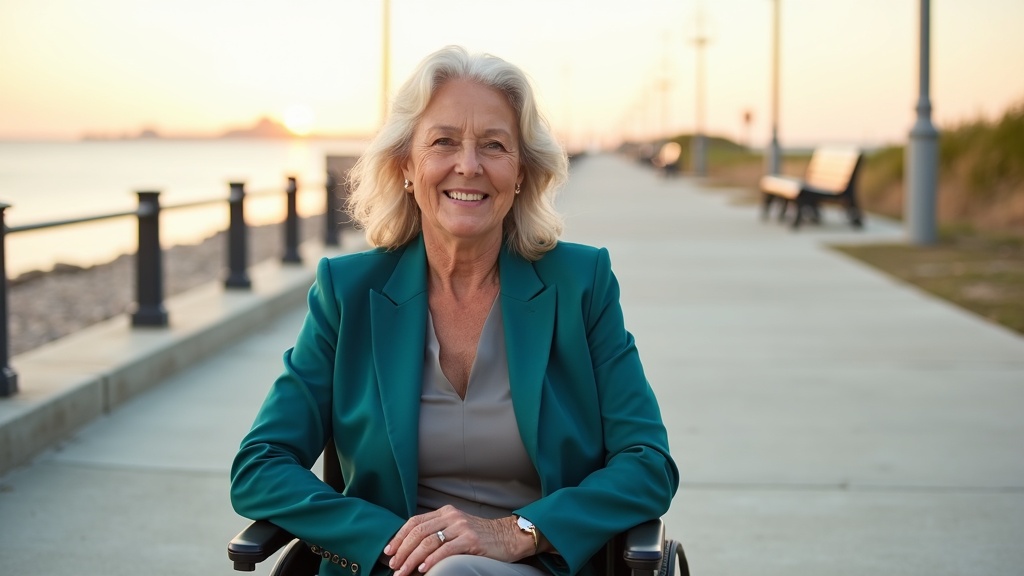
Home-based care needs after SCI change substantially over the lifespan, and projections that rely solely on discharge functional status fail to account for these critical trajectories. Aging with SCI brings declining upper limb strength, increased secondary complications (chronic pain, spasticity, cardiovascular disease), and the reality of caregiver burnout or loss as parents age and family circumstances change. In my clinical experience, many individuals who were functionally independent at discharge require progressively greater assistance through their 40s and 50s.
The systematic review of caregiving services in SCI (Spinal Cord, 2016) highlights that caregiving intensity is contingent not only on injury severity but also on caregiver availability and support systems, factors that are inherently unstable over decades. Home modifications (ramps, ceiling lifts, accessible bathrooms) and assistive technology can reduce but not eliminate care hours. Resources from the Model Systems Knowledge Translation Center (MSKTC) at the Shirley Ryan AbilityLab emphasize the integration of multidisciplinary inputs, including physical therapy, occupational therapy, nursing, and physiatry, into lifetime care planning frameworks that address home modification considerations and assistive technology needs. The continuity of care model, in which inpatient rehabilitation represents one milestone in a decades-long continuum, underscores that care projections must account for evolving trajectories rather than simply capturing discharge status.
Return to work and community participation are often contingent on adequate home care support, making this a quality-of-life issue as much as a cost issue in litigation.
Translating Functional Deficits Into Defensible Lifetime Care Projections

Physiatrists serve as the critical bridge between clinical assessment and lifetime care projections in SCI litigation. The process I follow includes reviewing medical records and functional assessments (SCIM, FIM, therapy notes), conducting independent medical examinations when warranted, mapping functional deficits to specific care tasks and hours, projecting how needs will evolve with aging and complications, and aligning projections with peer-reviewed literature and NSCISC data.
Research published in the Journal of Life Care Planning (2023) comparing NSCISC cost figures with life care planning methodology demonstrates that national data provides a valuable benchmark, but individualized projections based on patient-specific factors are essential for defensible damages calculations. Functional independence data from the SCIRE Project further confirms that validated measures like SCIM and FIM reliably inform care hour projections across SCI populations.
As both a physician and an attorney with subspecialty certification in Spinal Cord Injury Medicine and dual DO/JD credentials, I understand that lifetime care projections must be clinically accurate and legally defensible. This requires a physiatrist’s expertise in SCI medicine. As Co-Chair of the Advocacy Committee for the Academy of Spinal Cord Injury Professionals, I maintain active involvement in advancing evidence-based standards for spinal cord injury care, expertise that directly informs the quality of my medical-legal opinions. Care plans prepared without physiatry input often underestimate care hours by assuming static needs or overestimate independence by ignoring secondary complications.
When Should a Physiatrist Review Home Care Needs in an SCI Case?
Attorneys should consider physiatrist consultation when specific clinical red flags appear in SCI cases. In my experience, the most underdeveloped aspect of SCI damages is home care, not because attorneys fail to understand its importance, but because the clinical nuances require a physiatrist’s assessment. If you are reviewing a life care plan and the care hours appear low, or if the plan does not address how needs will change over 40 to 50 years, that is a case I should review.
Red Flags That Warrant Physiatrist Consultation
Life care plan prepared by a nurse consultant without physiatry review, especially if it projects static care needs or relies solely on discharge functional status
Discrepancies between functional assessments (SCIM, FIM) and projected care hours, such as a patient with C5 tetraplegia projected to need only 4 hours per day of care assistance
Failure to account for aging with SCI or secondary complications in long-term care projections
Defense expert opinion asserting that the plaintiff will “regain independence” without an evidence-based rehabilitation plan to support that claim
Questions about whether a complication (pressure injury, UTI, autonomic dysreflexia) was preventable with adequate home care
For individuals and families: if you or a loved one with SCI is struggling to manage at home, experiencing caregiver burnout, or facing pressure injuries or infections, a physiatrist can assess whether your current care plan is adequate and advocate for the resources you need.
The Physiatry Expert Consultation Process for SCI Home Care Cases
I approach every SCI home care consultation with a structured, evidence-based process designed to produce opinions that are clinically sound and clearly communicated. My goal is to explain the “why” behind every care hour so the jury understands that these are medical necessities, not luxuries.
Records Review
Attorney submits medical records, existing life care plan, and functional assessments for preliminary evaluation
Medical Analysis
Comprehensive review of acute care, inpatient rehab, outpatient therapy, and home health records to establish baseline function
Opinion Formation
Mapping functional deficits to care tasks, projecting lifetime hours and costs, and comparing to existing plans or defense projections
Report and Testimony
Detailed written opinion with peer-reviewed citations, followed by deposition and trial testimony that withstands cross-examination
When warranted, I also conduct independent medical examinations (in-person or records-only) to evaluate current functional status, equipment adequacy, and home care sufficiency. Throughout this process, I draw on medical-legal consulting and life care plan review services grounded in both clinical training and legal understanding.
Physiatrist-Led Assessment vs. Nurse Consultant Approach
| Assessment Dimension | Physiatrist-Led Approach | Nurse Consultant Approach (Without Physiatry Review) |
|---|---|---|
| Functional Assessment Foundation | Uses validated SCI-specific measures (SCIM, FIM) and clinical examination to establish baseline deficits | Often relies on discharge summaries or therapist notes without independent functional assessment |
| Projection of Care Needs Over Time | Accounts for aging with SCI, secondary complications, and caregiver availability changes across the lifespan | May project static care needs based on discharge functional status, potentially underestimating long-term evolution |
| Clinical Nuance in Care Tasks | Differentiates ADL assistance, neurogenic bowel and bladder management, skin care, and medical monitoring, each with specific hour requirements | May use broad categories (“personal care”) without task-specific breakdowns, which can lead to underestimation |
| Integration of Medical Literature | Anchors projections in NSCISC data, peer-reviewed studies, and clinical guidelines; individualizes based on patient factors | May rely primarily on vendor catalogs and cost databases without clinical evidence base |
| Defensibility at Deposition and Trial | Physician expert can explain the medical necessity and clinical reasoning behind every care hour | Nurse consultant may face difficulty defending clinical judgments under cross-examination by a defense physician expert |
| Scope of Expertise | Triple board-certified physiatrist with subspecialty training in SCI medicine, recognized authority in rehabilitation and long-term SCI care | Nurse consultant with life care planning certification, a valuable role that typically does not carry physician-level clinical authority in SCI subspecialty matters |
This comparison reflects general practice patterns. Individual nurse consultants and physiatrists vary in training, experience, and case approach. Effective life care planning often benefits from collaboration between nursing and physician expertise.
Conclusion
Home care after spinal cord injury is not a one-size-fits-all calculation. It requires a physiatrist’s clinical expertise to translate functional deficits into accurate, defensible lifetime projections that account for the complex, evolving nature of SCI across decades. Underestimating home care costs is among the most common and consequential errors in SCI litigation, leaving plaintiffs without the resources they need to maintain safety, health, and quality of life.
If you are handling an SCI case and need a life care plan reviewed, a defense expert opinion evaluated, or an independent assessment of home care needs, I encourage you to contact Dr. Ciammaichella for a comprehensive case review. Licensed in nine states including Nevada, California, and Texas, I serve attorneys nationwide in catastrophic injury cases requiring physiatry expertise. I offer records-only reviews, independent medical examinations, and expert testimony. Outcomes depend on individual circumstances, and I welcome the opportunity to discuss how my dual medical and legal perspective can support your case.
Need Expert Medical-Legal Consultation for an SCI Case?
I provide expert witness services, independent medical examinations, and life care plan reviews for attorneys handling spinal cord injury cases across the United States. Contact me at (775) 902-6917 or ellia@ciammaichella.com.
⚕ Medical Disclaimer
This article is for educational purposes only and does not replace professional medical advice, diagnosis, or treatment. The information presented reflects general medical knowledge and Dr. Ciammaichella’s clinical experience; it is not intended as legal advice or a substitute for case-specific medical-legal consultation. Always consult with a qualified physician regarding individual medical conditions and with an attorney regarding legal matters. Results and outcomes discussed in this article reflect specific study populations and clinical scenarios; individual circumstances vary.
⚖ Legal Disclaimer
Nothing in this article constitutes legal advice, creates an attorney-client relationship, or establishes a physician-patient relationship. The content is provided solely for informational and educational purposes. Case outcomes, medical-legal standards, and applicable law vary by jurisdiction. Attorneys and other professionals seeking case-specific guidance should consult directly with a qualified medical-legal expert. Ciammaichella Consulting Services PLLC expressly disclaims liability for any action taken or not taken in reliance on the information contained herein.
Triple Board-Certified in Physical Medicine & Rehabilitation, Spinal Cord Injury Medicine, and Brain Injury Medicine · Ciammaichella Consulting Services PLLC, Reno
Frequently Asked Questions
Medical Expert Services
Dr. Ciammaichella provides expert medical consulting for attorneys handling complex injury cases: