Can a Slap Cause Brain Damage? Understanding Concussion Thresholds, Biomechanics, and Medical-Legal Implications
By Dr. Ellia Ciammaichella, DO, JD, Triple Board-Certified (PM&R, SCI, Brain Injury Medicine)
Quick Insights
Can slapping your head cause brain damage is a real concern—forceful head impacts can move the brain inside the skull, sometimes resulting in concussion or traumatic brain injury. Legal implications may arise if symptoms are missed.
Key Takeaways
- Even mild blows can cause a concussion if force is sufficient, according to recent studies.
- Observable concussion signs occur in nearly 80% of slap fighting cases.
- Medical evaluation is vital for any symptoms after a head impact, especially for those in Nevada, Texas, and other licensed states.
- Legal cases often hinge on timely recognition and documentation of brain injury by qualified experts.
Why It Matters
Understanding can slapping your head cause brain damage helps clarify that concussion risks aren’t limited to major accidents. Research indicates that even minor impacts may trigger symptoms, and early clinical documentation is critical for both optimal recovery and building a defensible legal case. This directly addresses uncertainty about when to seek evaluation.
Introduction
As a physician with dual qualifications as a DO and JD, I am frequently asked whether slapping your head can cause brain damage is a legitimate concern—especially here in Reno, where both clinical and legal implications intersect daily.
Can slapping your head cause brain damage? The answer is yes: a forceful slap can result in a concussion (a mild traumatic brain injury, or mTBI), which occurs when biomechanical forces drive the brain to move rapidly within the skull. This movement can stretch or injure delicate brain structures, leading to symptoms that may be subtle or delayed, yet have considerable ramifications for both health and legal documentation.
My work at Ciammaichella Consulting Services, PLLC, leverages this dual expertise to objectively assess cases for patients and litigants alike. CDC research demonstrates that even seemingly mild impacts can cause a concussion, underscoring the necessity for prompt recognition and accurate reporting.
For Reno residents and legal professionals, understanding these thresholds is essential for both optimal recovery and defensible case outcomes.
Can Slapping the Head Cause Brain Damage?
A slap to the head can indeed cause brain damage, particularly when the force is sufficient to move the brain within the skull. In my dual role as a physician and legal consultant, I have encountered numerous cases where even a seemingly minor blow resulted in a concussion (a mild traumatic brain injury, or mTBI).
The risk is not theoretical—recent research demonstrates that nearly 80% of participants in slap fighting events display observable symptoms of concussion during matches, such as loss of consciousness, motor incoordination, or vacant stares.
With extensive experience evaluating individuals with spinal cord and brain injuries, I have found that detailed functional assessment, beyond basic diagnosis, is essential for accurately delineating damages in legal proceedings. This layer of analysis is especially vital when symptoms are subtle, and there is legal debate regarding causation or degree of impact.
What is a Concussion?
A concussion is a type of traumatic brain injury that occurs when biomechanical forces—such as those from a slap—cause the brain to move rapidly inside the skull. This movement can stretch or injure delicate neural structures, leading to symptoms like confusion, headache, dizziness, or memory loss.
In my clinical experience, I have seen that even a single forceful slap can result in these symptoms, especially if the individual is unprepared or defenseless at the moment of impact.
As a highly experienced physiatrist, I have observed that many litigants and legal teams underestimate the significance of apparent “mild” injuries. While some practitioners may stop at a general diagnosis, comprehensive assessments of real-world functional deficits are essential to inform both care and legal arguments about damages.
Case Examples (Multi-State)
In Reno and across other states where I am licensed, I have reviewed cases involving both sports-related and non-sporting head impacts. For example, in competitive slap fighting, studies show that 79.1% of matches result in observable signs of concussion, and over half of these matches continue even after such signs are present.
This highlights the importance of immediate recognition and intervention, both for health and for legal documentation.
Extensive clinical experience indicates that timely medical documentation often means the difference between a defensible claim and one that’s successfully challenged in court. This remains true for both plaintiffs and defendants seeking objective, balanced analysis.
How Do Brain Injuries Happen?
Brain injuries occur when external forces—such as a slap—cause the brain to accelerate, decelerate, or rotate within the skull. The brain is suspended in cerebrospinal fluid, which provides some cushioning, but a sudden impact can overcome this protection. Clinical observations suggest that moderate force may transmit enough energy to disrupt neural pathways, particularly in vulnerable individuals.
While some providers may view these mechanisms through a purely clinical lens, my approach integrates both medical and legal considerations, ensuring every injury scenario is assessed not only for health outcomes but also for its functional and evidentiary implications.
Biomechanics: What Happens Inside the Skull
When the head is struck, the brain can collide with the inner surface of the skull, leading to bruising (contusion), stretching of nerve fibers, and chemical changes that disrupt normal brain function. This process is known as the concussion mechanism. Research confirms that the energy transfer from a slap can be sufficient to cause these injuries, particularly if the head is not braced or the individual is caught off guard.
Common Injury Scenarios
Common scenarios include sports, falls, assaults, and accidents. In Reno, I have seen cases ranging from playground incidents to professional slap fighting. The risk is heightened in situations where the head is unprotected or the blow is unexpected.
According to academic studies, 3.8 million sports-related concussions occur annually in the United States, underscoring the prevalence of this injury mechanism.
In my professional experience, the diverse ways in which these injuries occur—whether on a playing field or in a workplace setting—require a uniquely tailored assessment for every case I review, especially when legal adjudication hinges on the details.
Understanding the Concussion Mechanism
The concussion mechanism involves both linear and rotational forces acting on the brain. A slap can generate enough acceleration to cause the brain to twist or bounce within the skull, leading to temporary or, in some cases, lasting dysfunction. In my experience, the threshold for injury varies, but even mild impacts can be clinically significant.
While some medical experts focus solely on diagnosis, my approach emphasizes comprehensive functional assessment that provides all parties—physicians, attorneys, and litigants—with clear, accessible documentation of impairments.
Force and Threshold
Research has established that a mild blow to the head can cause a concussion if the force is sufficient, especially when the individual is unprepared for the impact. The threshold for injury is lower in children, older adults, and those with prior brain injuries. I have seen cases where a single slap led to symptoms lasting weeks or longer.
Types of Symptoms
Symptoms of concussion can be physical (headache, dizziness), cognitive (confusion, memory loss), emotional (irritability, mood changes), or sleep-related (fatigue, insomnia).
In slap fighting, studies show that more than half of all slaps result in signs of concussion, such as loss of balance or delayed response. Recognizing these symptoms early is critical for both medical and legal reasons.
Warning Signs: Red Flags That Need Urgent Attention
Certain symptoms following a head impact require immediate medical evaluation. In my role as a triple board-certified expert, I advise that any of the following red flags should prompt urgent action:
- Loss of consciousness, even briefly
- Persistent vomiting or severe headache
- Seizures or convulsions
- Weakness, numbness, or difficulty waking up
- Slurred speech or confusion
Having worked with hundreds of spinal cord injury cases, I’ve found that accurate functional assessment and documentation are equally valuable for plaintiffs seeking fair compensation and defendants requiring objective analysis.
Immediate Red Flags
If any of these symptoms occur after a slap to the head, seek emergency care without delay. These signs may indicate a more serious brain injury, such as bleeding or swelling.
Symptoms That Warrant Prompt Evaluation
Other symptoms that should prompt evaluation by a physician include:
- Ongoing dizziness or balance problems
- Persistent memory loss or confusion
- Worsening headache over time
In my practice, I have found that early recognition and intervention can prevent complications and support optimal recovery.
When to Seek Medical Attention
If you experience loss of consciousness, repeated vomiting, or difficulty waking up after a head injury, seek immediate evaluation by a physician.
Delayed Symptoms and What to Watch For
Not all concussion symptoms appear immediately. Some may develop hours or even days after the initial injury. I have seen cases in Reno where individuals felt fine initially but developed significant symptoms later.
Common Delayed Symptoms
Delayed symptoms can include:
- Difficulty concentrating or remembering
- Mood changes or irritability
- Sleep disturbances
- Sensitivity to light or noise
These symptoms may persist for days or weeks, and in some cases, longer.
When to Escalate Care
If delayed symptoms worsen or new red flags develop, it is essential to seek further medical evaluation. According to NHS guidance, persistent or worsening symptoms after a head injury warrant prompt assessment by a physician.
Pathways to Evaluation and Recovery
Evaluation of a suspected concussion should be performed by a physician experienced in brain injury medicine. In my multi-state telemedicine practice, I offer both in-person and virtual assessments to ensure timely care.
From my unique perspective with both medical and legal training, I can translate complex medical findings into precise documentation that clearly establishes functional limitations for both plaintiff and defense teams.
Medical Assessment Options
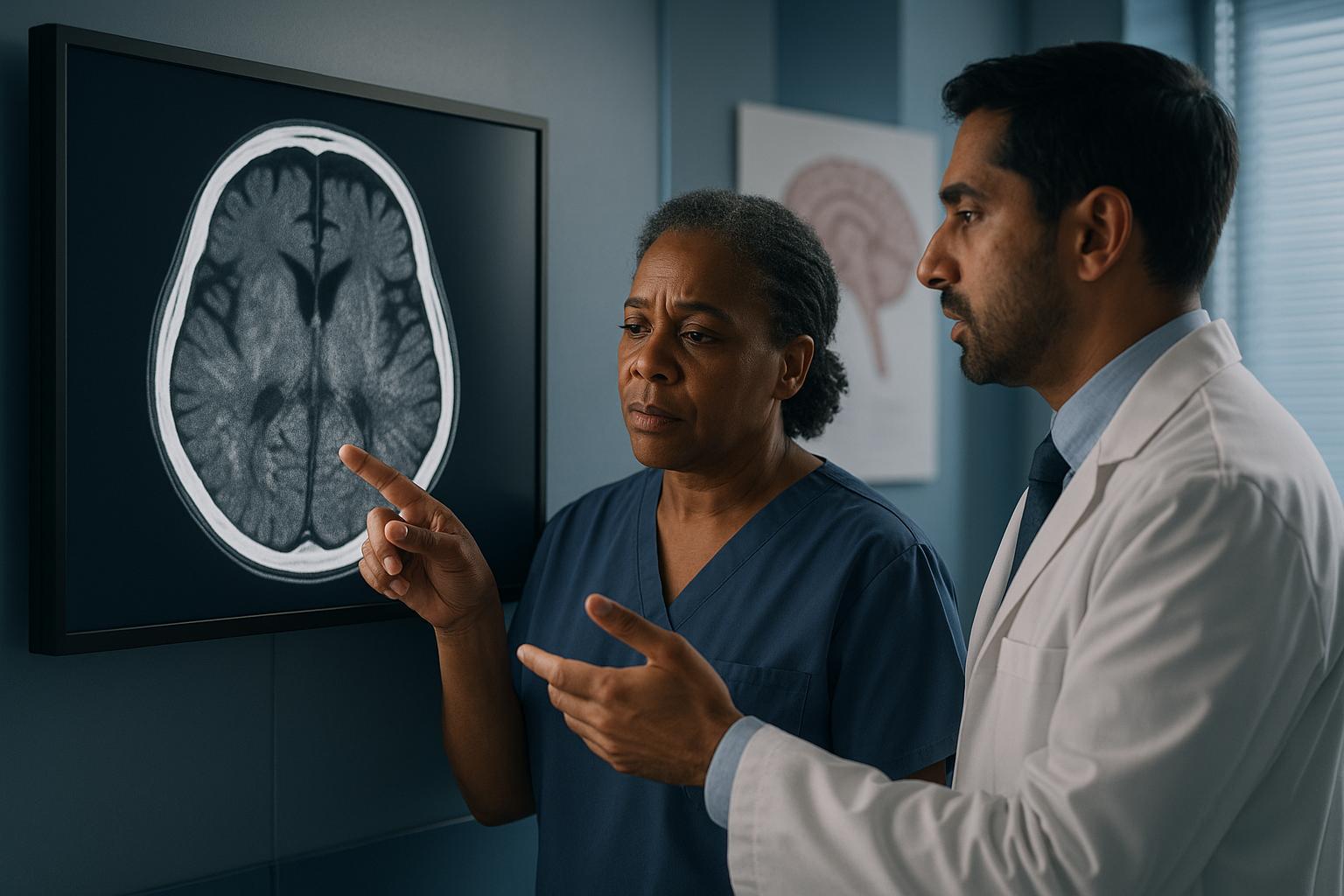
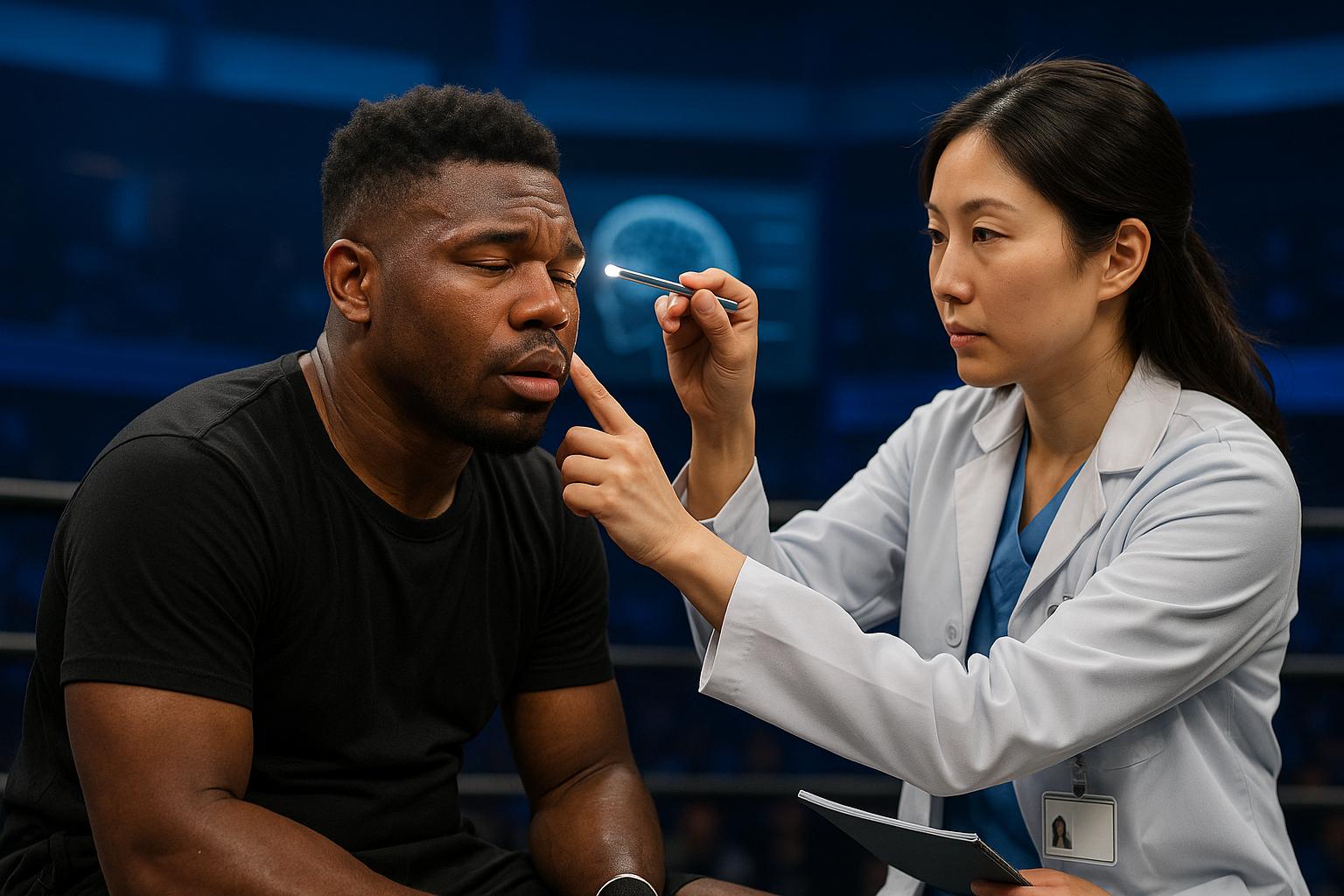
Assessment may include a neurological examination, cognitive testing, and, in some cases, imaging studies. Early recognition and documentation of symptoms are critical for both clinical management and legal documentation.
Self-Monitoring vs. Professional Evaluation
While some mild symptoms may resolve with rest and self-monitoring, persistent or severe symptoms require professional evaluation. I advise all individuals—especially those involved in legal cases—to document symptoms and seek expert review if there is any uncertainty about the diagnosis or recovery process.
Medical-Legal Considerations in Head Injury Cases
The intersection of medical and legal issues is particularly relevant in head injury cases. As a dual-degreed physician and attorney, I am uniquely positioned to provide objective, evidence-based analysis for both plaintiffs and defendants.
In my experience, early and precise documentation can be the deciding factor in legal proceedings involving brain injury claims.
Why Documentation Matters
Thorough documentation of symptoms, timing, and clinical findings is essential for accurate damage assessment. In my experience, early and precise documentation can be the deciding factor in legal proceedings involving brain injury claims.
Legal Implications for Repeated Injury
Repeated concussions can increase the risk of long-term complications and may alter the legal assessment of damages. Studies show that over half of slap-fighting matches continue after signs of concussion are present, raising concerns about preventable harm and liability.
My role often involves clarifying the medical basis for damages and translating complex clinical findings into accessible language for legal professionals.
Dual Medical-Legal Services
To address such complex issues, I provide comprehensive medical assessment and legal expert witness services that bridge the gap between diagnosis and courtroom application. My dual expertise is especially valuable for litigants and attorneys seeking balanced, defensible reports on traumatic brain injury.
How Dr. Ellia Ciammaichella Can Help — Multi-State Telemedicine & Expert Review
At Ciammaichella Consulting Services, PLLC, I provide comprehensive evaluation and expert review for individuals and legal professionals across Reno and all licensed states. My unique combination of triple board certification and legal training allows me to address both clinical and legal aspects of brain injury cases.
Comparing my approach to others in the field, I find that my dual expertise as both a DO and JD bridges critical gaps between clinical evidence and legal documentation—something few experts in the country can offer. This advantage allows me to advise legal teams, clarify functional limitations in accessible language, and deliver independent medical evaluations that withstand the scrutiny of both courts and medical reviewers.
Telemedicine Coverage Across States
I offer telemedicine consultations for clients in Nevada, Texas, California, and other licensed states, ensuring access to specialized care regardless of location. This model supports timely evaluation and documentation, which are critical for both recovery and legal proceedings.
Expert Witness and IME Services
My services include independent medical examinations (IME), expert witness analysis, and detailed reporting for litigants and attorneys. I am committed to providing objective, defensible opinions that clarify the extent of injury and support fair resolution of claims.
My approach emphasizes clear communication, thorough documentation, and accessibility for both medical and legal audiences.
My Approach to Patient Care
Patient experiences are central to my practice philosophy, especially when addressing concerns about head trauma and concussion risk. In Reno, where both clinical and legal questions frequently intersect, I have developed a comprehensive approach that prioritizes both accurate diagnosis and meticulous documentation.
My dual training as a physician and attorney allows me to evaluate each case with a unique perspective, ensuring that every assessment is both clinically sound and legally defensible. I emphasize early recognition of symptoms, thorough functional assessment, and clear communication with both patients and legal professionals.
By maintaining triple board certification in Physical Medicine & Rehabilitation, Spinal Cord Injury Medicine, and Brain Injury Medicine, I am able to offer advanced expertise in the evaluation and management of traumatic brain injuries. My licensure across multiple states, including Nevada and Texas, further enables me to provide telemedicine consultations and expert witness services to a broad range of clients.
Ultimately, my goal is to deliver care that not only supports optimal recovery but also stands up to the highest standards of legal scrutiny. This dual focus ensures that individuals and litigants alike receive the most comprehensive and reliable evaluation possible when facing questions about brain injury.
Brain Injury Assessment and Legal Consulting in Reno
Understanding the risks associated with head trauma is particularly relevant for individuals and legal professionals in Reno. The region’s active sports culture, combined with the presence of competitive events such as slap fighting, increases the likelihood of head injuries that require specialized evaluation.
As a physician based in Reno, I am uniquely positioned to address both the medical and legal aspects of brain injury cases. My practice serves as a hub for comprehensive assessment, offering both in-person and telemedicine consultations to local residents, attorneys, and claims adjusters. The local climate and community activities may contribute to specific injury patterns, making regionally informed expertise especially valuable.
I provide objective, evidence-based analysis for both plaintiffs and defendants, ensuring that every case is evaluated with the highest degree of accuracy and impartiality. My multi-state licensure allows me to extend these services beyond Reno, but my primary focus remains on supporting the local community with advanced medical-legal consulting.
If you are in Reno and have concerns about head trauma—whether for yourself, a client, or a legal case—I encourage you to schedule a consultation for a specialized evaluation or expert review.
Conclusion
Can slapping your head cause brain damage? In summary, even a seemingly minor slap can result in a concussion (mild traumatic brain injury) if the force is sufficient, with nearly 80% of slap fighting participants exhibiting observable symptoms.
The medical implications are significant: prompt recognition, thorough documentation, and timely intervention are essential for optimal recovery. Legally, an accurate and objective assessment by a qualified expert is often decisive in determining damages and liability.
My dual qualifications as a triple board-certified physician and attorney uniquely position me to address both the clinical and legal complexities of head trauma. Based in Reno, I provide specialized services across multiple states, including Texas, California, and Colorado, through both telemedicine and in-person consultations. I am also available to travel as an expert witness, offering comprehensive support for complex cases.
I invite you to schedule a consultation TODAY to ensure your medical recovery is maximized and your legal documentation is robust. Prompt action not only improves outcomes but also provides peace of mind and confidence during challenging times. For those in Reno and beyond, my practice—Ciammaichella Consulting Services, PLLC—offers the rare advantage of integrated medical-legal expertise.
This article is for educational purposes only and should not be used as a substitute for professional medical or legal advice, diagnosis, or treatment. Always seek the advice of your physician or qualified legal counsel with any questions you may have regarding a medical condition, injury, or legal matter. Never disregard professional advice or delay in seeking it because of something you have read in this article.
Frequently Asked Questions
Can slapping your head cause brain damage, or is it just a myth?
Yes, slapping your head can cause brain damage if the force is sufficient to move the brain within the skull. Even a single forceful slap may result in a concussion, which is a mild traumatic brain injury. Research shows that nearly 80% of slap fighting participants display observable concussion symptoms, highlighting the real risk.
How can I access your expertise if I am not located in Reno?
You can access my specialized brain injury assessment and consulting services through telemedicine across all states where I am licensed, including Texas, California, and Colorado. I also travel for in-person evaluations and expert witness testimony, ensuring that individuals and legal professionals nationwide benefit from my dual medical-legal expertise.
Why is thorough medical documentation important in legal cases involving head trauma?
Thorough medical documentation is critical because it provides objective evidence of injury, timing, and functional impact. This documentation supports fair and defensible legal outcomes for both plaintiffs and defendants. My approach ensures that complex medical findings are translated into clear, accessible reports that withstand legal scrutiny.
About the Author
Dr. Ellia Ciammaichella, DO, JD, is a triple board-certified physician specializing in Physical Medicine & Rehabilitation, Spinal Cord Injury Medicine, and Brain Injury Medicine. With dual degrees in medicine and law, she offers a rare, multidisciplinary perspective that bridges clinical care and medico-legal expertise. Dr. Ciammaichella helps individuals recover from spinal cord injuries, traumatic brain injuries, and strokes—supporting not just physical rehabilitation but also the emotional and cognitive challenges of life after neurological trauma. As a respected independent medical examiner (IME) and expert witness, she is known for thorough, ethical evaluations and clear, courtroom-ready testimony. Through her writing, she advocates for patient-centered care, disability equity, and informed decision-making in both medical and legal settings.