By Ellia Ciammaichella, DO, JD
Triple Board-Certified in Physical Medicine & Rehabilitation, Spinal Cord Injury Medicine, and Brain Injury Medicine
Quick Insights:
Catastrophic injury cases require medical evidence that does more than document initial trauma. The evidence must demonstrate severity, predict long-term functional trajectory, and support defensible lifetime cost projections. The four categories that carry the greatest weight in damages assessment are validated injury classification systems, objective functional outcome measures, evidence-based economic models, and documentation of acute care complications that alter prognosis. Research suggests that lifetime costs for spinal cord injury vary nearly fourfold depending on injury grade, which means attorneys cannot rely on generic damages estimates when peer-reviewed economic models stratified by severity are available. Understanding the hierarchy of persuasive medical evidence is essential for building credible, litigation-tested damages arguments in cases involving spinal cord injury, traumatic brain injury, or stroke.
Key Takeaways
- Standardized injury classification systems (the ASIA Impairment Scale for SCI and the Glasgow Outcome Scale Extended for TBI) provide the foundation for impairment severity documentation and correlate with long-term functional outcomes and lifetime care costs
- Functional assessment measures that capture independence, mobility, and social participation translate medical impairment into quantifiable disability and care needs that anchor life care plan projections
- Lifetime cost projections grounded in peer-reviewed economic models stratified by injury severity strengthen damages calculations and withstand cross-examination; generic estimates tied to diagnosis alone do not
- Modifiable complications during acute care, such as hospital-acquired pressure ulcers, independently predict worse long-term outcomes and higher lifetime costs, creating potential standard-of-care implications in addition to damages relevance
Why It Matters
Catastrophic injury litigation demands medical evidence that connects initial trauma to decades of disability, care needs, and economic loss. Attorneys handling catastrophic injury cases across the United States must distinguish between medical records that document impairment and evidence that quantifies functional limitation, predicts long-term trajectory, and supports defensible damages projections. For the estimated 17,000 Americans who sustain spinal cord injuries annually and the hundreds of thousands who require inpatient rehabilitation after traumatic brain injury, the quality of medical evidence directly determines whether life care plans reflect true needs or fall short of what rehabilitation medicine science demonstrates is necessary.

Understanding Medical Evidence in Catastrophic Injury Cases
In my practice reviewing catastrophic injury cases nationwide, I consistently see certain categories of medical evidence determine whether damages projections withstand scrutiny under cross-examination. Catastrophic injury litigation presents a distinctive challenge: the initial trauma is often well-documented in acute care records, but damages arguments must prove what happens over 30 to 50 years of permanent disability. Not all medical evidence carries equal weight. Some documentation describes an injury as it appeared on the day of admission. Other evidence predicts functional trajectory, quantifies lifetime care needs, and anchors projections in peer-reviewed outcome data.
The financial stakes of this distinction are substantial. Research published in Spinal Cord (2019) modeled lifetime costs for spinal cord injury using an incidence-based economic framework and found a nearly fourfold cost range depending on injury grade, with mean lifetime costs of approximately £1.12 million per case (ranging from £0.47 million to £1.87 million by AIS grade). That range reflects differences in hospital care, home care, residential care, and informal caregiver costs, a component that is frequently under-recognized in damages calculations. Only severity-stratified, evidence-based modeling produces projections that hold up to expert scrutiny.
As Dr. Ellia Ciammaichella, DO, JD, triple board-certified in PM&R, Spinal Cord Injury Medicine, and Brain Injury Medicine, based in Reno, Nevada, I bring dual medical-legal training specifically suited to evaluating what evidence matters most in serious injury litigation. This article addresses the four categories of high-impact medical evidence that determine whether damages projections are defensible: injury classification, functional outcome measures, economic modeling, and complication documentation.
Important Clinical Context
Catastrophic injury encompasses permanent, life-altering impairments, primarily spinal cord injury, traumatic brain injury, and severe stroke, that require lifetime medical management and substantially limit functional independence. These injuries exist on severity spectra: complete versus incomplete SCI; mild versus severe TBI. Damages assessment must account for this variability because prognosis, care needs, and lifetime costs differ substantially across severity categories. Rehabilitation medicine uses validated classification systems to stratify severity and predict outcomes, making these systems the cornerstone of credible medical-legal opinions. Complications that arise during acute hospitalization can independently worsen long-term prognosis, creating a second layer of evidence relevant both to the damages projection and to potential standard-of-care analysis.
Injury Classification Systems: The Foundation of Severity Documentation
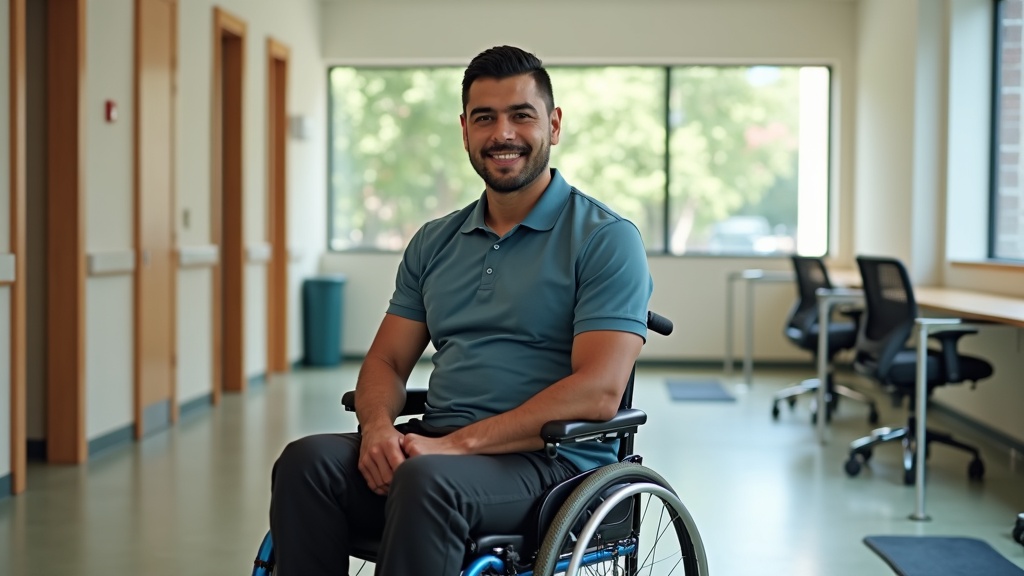
Standardized injury classification systems provide objective, reproducible severity grading that correlates directly with functional prognosis and lifetime care needs. For spinal cord injury, the ASIA Impairment Scale (AIS) grades A through E, stratifying motor and sensory function to predict recovery potential and long-term independence. For traumatic brain injury, the Glasgow Outcome Scale Extended (GOSE) categorizes functional outcome across eight levels, from death to upper good recovery. These systems matter in serious injury litigation because they translate subjective clinical impressions into quantifiable impairment categories accepted across rehabilitation medicine, and they anchor life care planning by linking injury grade to evidence-based outcome data.
A systematic review published in the Journal of Neurotrauma (2011) evaluated the psychometric properties of the ASIA Standards and found them to be generally reliable and valid for describing motor and sensory impairment in adults with acute traumatic SCI. However, the review identified important psychometric gaps, particularly in the assessment of pain, a common and significant complication of SCI that substantially affects quality of life and care needs. Attorneys should understand that while AIS classification remains the gold standard for motor and sensory documentation, it does not capture all dimensions of impairment, and a complete damages evaluation must account for these gaps through supplemental functional and quality-of-life measures.
For TBI, external validation research published in the Journal of Neurotrauma (2021) demonstrated that published GOSE-based prognostic models for mild TBI showed variable calibration and discrimination across the CENTER-TBI cohort of 2,862 adults, with none of the evaluated models achieving both good calibration and good discrimination. This finding has direct implications for damages assessment: early, snapshot-based functional outcome prediction in mild TBI has inherent limitations, and longitudinal assessment is necessary to establish prognosis reliably. Life care plans based on early GOSE scoring without longitudinal functional data deserve scrutiny.
The Spinal Cord Injury Model Systems (2024) provides life expectancy and long-term outcomes data stratified by injury level and AIS grade, demonstrating how injury classification drives outcome projection at the population level. This type of severity-stratified reference data is essential for translating a patient’s specific AIS classification into defensible projections of life expectancy, hospitalization risk, and care intensity.
Injury Classification
Functional Outcomes
Economic Models
Complication Documentation
Functional Outcome Measures That Quantify Disability and Care Needs

Independence and Mobility Assessment
Injury classification tells us how severe the injury is. Functional outcome measures tell us what the patient can and cannot do. This distinction is critical in litigation because damages arguments must translate an AIS grade or GOSE score into specific deficits in self-care, mobility, cognition, and daily function. Instruments such as the Functional Independence Measure (FIM), the Spinal Cord Independence Measure (SCIM), and the modified Rankin Scale (mRS) quantify performance across standardized activities of daily living, producing numerical scores that can be compared against normative data and tracked over time.
A study published in Cost Effectiveness and Resource Allocation (2010) used the modified Rankin Scale to stratify stroke patients into four disability categories and modeled lifetime costs and quality-adjusted life years (QALYs) for each group. The study found that integrated stroke services with structured rehabilitation produced approximately 0.51 additional QALYs per patient with cost savings of approximately €5,990 per patient. The core methodological principle is directly applicable to damages assessment: functional disability categorization using standardized measures anchors the economic projections that follow. A life care plan built on documented functional scores is far more defensible than one based on diagnostic category alone.
Participation and Quality of Life Outcomes
Newer frameworks grounded in the International Classification of Functioning, Disability and Health (ICF) capture social participation, environmental barriers, and psychosocial dimensions that extend beyond basic ADL independence. Research published in Spinal Cord (2023) examining quality of life across an international SCI cohort found that QoL reflects social participation and environmental factors beyond physical impairment alone, with meaningful associations between participation measures and overall life satisfaction. This research has direct implications for non-economic damages: loss of enjoyment of life, role loss, and community access limitations are not adequately captured by physical function scores alone. A complete damages evaluation accounts for psychosocial dimensions, including isolation, relationship disruption, and inability to participate in valued activities.
These participation-level measures also strengthen arguments for home modifications, adaptive equipment, and attendant care services that enable community integration, categories of need that attorneys may undervalue when working from medical records alone.
Employment and Economic Participation
Return-to-work outcomes and earnings data quantify economic loss beyond medical costs, and this evidence is among the most powerful in damages arguments involving permanent neurological injury. Research published in JAMA Surgery (2024) followed 18,050 adult TBI survivors over multiple years and estimated a national cost of approximately CAD $588 million (US $435 million) in labor market losses over three years post-injury, with individual income losses ranging from approximately CAD $7,635 in year one declining to approximately CAD $5,000 by year three and consistent annual unemployment rate increases of 7.8%. The study captures both direct wage loss and the broader household economic impact that affects family members who reduce their own work to provide caregiving.
In my experience reviewing vocational records and employment histories in these cases, lost earning capacity claims are frequently underestimated because they fail to account for career trajectory, promotion opportunities, and the compounding effect of early career interruption on lifetime earnings. Vocational rehabilitation assessments and labor market analyses that translate functional limitations into specific occupational restrictions provide the most defensible foundation for these calculations.
Economic Models and Lifetime Cost Projections

Credible life care plans require evidence-based cost projections stratified by injury severity, not generic estimates tied to diagnostic category alone. The peer-reviewed economic literature on SCI and TBI provides the benchmarks that distinguish well-constructed life care plans from those that will not survive expert challenge.
The UK SCI economic model published in Spinal Cord (2019) is particularly instructive for damages methodology. The study found that mean lifetime costs varied from approximately £0.47 million for less severe injuries to £1.87 million for the most severe, with a mean of £1.12 million across injury grades. Critically, the model broke down costs across hospital care, home care, residential care, and informal care, revealing that informal caregiver costs represent a substantial component that is frequently omitted from life care plans. Attorneys should ask whether the life care plan in their case accounts for the full spectrum of care costs, including the economic value of unpaid family caregiving, and whether projections are stratified by AIS grade rather than by diagnosis alone.
For TBI, research published in the Journal of Head Trauma Rehabilitation (2019) analyzed 3,578 patients with severe TBI across 75 specialist rehabilitation units in England and found that the mean rehabilitation episode cost approximately £42,894, with that investment generating mean lifetime care savings of approximately £679,776 per patient, offset within 18.2 months. Projections were stratified by functional category using validated measures, demonstrating that functional outcome data at rehabilitation discharge directly drives the accuracy of lifetime cost modeling. A life care plan that does not account for the patient’s functional status at rehabilitation discharge, rather than at acute injury, may underestimate care needs for patients who achieved meaningful but incomplete recovery.
Population-level research tracking health and social outcomes five years after moderate-to-severe TBI requiring inpatient rehabilitation documents substantial enduring impacts on independence, mood, life satisfaction, and re-hospitalization rates, confirming that the burden of TBI is not adequately captured by short-term follow-up data alone. Life care plans with 5- or 10-year horizons systematically underrepresent the actual scope of need.
How Medical Evidence Shapes Catastrophic Injury Damages Assessment
The four evidence categories I have described, namely injury classification, functional outcome measures, economic models, and complication documentation, form the hierarchy of persuasive medical evidence in serious injury litigation. As both a physician and an attorney, I evaluate whether the medical evidence in a case can withstand cross-examination: does the injury classification match the functional limitations described in the records? Do the cost projections align with peer-reviewed economic models for that severity level? Are complications documented as independent predictors of worse outcome?
Research published in JAMA Network Open (2024) provides a clear example of how complication evidence serves dual purposes in damages assessment. In a multicenter SCIMS cohort of 1,282 patients with acute cervical SCI, 45.7% developed pressure ulcers during initial hospitalization. Those patients demonstrated approximately nine fewer motor recovery points at one-year follow-up compared to patients who did not develop pressure ulcers, along with elevated long-term mortality over a 10-year follow-up period. This type of evidence simultaneously worsens the damages projection (higher lifetime costs, worse functional outcome) and potentially supports a standard-of-care claim if the ulcer was preventable under reasonable nursing and medical protocols.
JAMA Network Open (2024, n=1,282 cervical SCI): Hospital-acquired pressure ulcers during initial SCI hospitalization were associated with approximately 9 fewer motor recovery points at 1-year follow-up and elevated long-term mortality over a 10-year follow-up period. Pressure ulcers affected 45.7% of patients in this multicenter SCIMS cohort, underscoring this as a modifiable factor with substantial and measurable impact on functional prognosis.
Life care planning, as defined by professional standards established by the American Academy of Physical Medicine and Rehabilitation and further articulated by the American Academy of Physical Medicine and Rehabilitation (AAPM&R), represents the vehicle for translating the four evidence categories into a comprehensive, organized projection of future medical needs and costs. Credible life care plans reference the evidence base for each recommendation, cite the functional measures used to determine care intensity, and apply severity-specific economic benchmarks rather than generic cost estimates. My subspecialty board certification in both Spinal Cord Injury Medicine and Brain Injury Medicine provides the specific clinical foundation required to evaluate whether life care plans accurately reflect the rehabilitation medicine literature for these injury types.
Expert witness opinions in catastrophic injury cases must meet Daubert admissibility standards, meaning opinions must be grounded in the type of evidence this article describes, not in subjective clinical impression alone. The American Academy of Physical Medicine and Rehabilitation has articulated standards for PM&R expert testimony that emphasize the need for evidence-based opinions, appropriate qualifications, and methodological transparency.
When Should a Physiatrist Review Your Catastrophic Injury Case?
Several case characteristics signal that physiatric review is warranted. In my experience reviewing cases across multiple jurisdictions, the most common gaps I encounter fall into five categories.
When Physiatric Review Is Warranted
Life care plan lacks severity stratification or cites costs that do not align with AIS grade or functional classification for that injury type
Opposing expert is not board-certified in PM&R, Spinal Cord Injury Medicine, or Brain Injury Medicine for cases involving SCI, TBI, or severe stroke
Medical records document preventable complications during acute care or rehabilitation, such as pressure ulcers, contractures, or deep vein thrombosis, that may have independently worsened long-term functional outcome
Functional outcome measures in records show decline or plateau inconsistent with expected recovery trajectory for that injury severity and age group
Plaintiff has returned to work or achieved higher independence than the opposing expert’s life care plan assumes, creating a disconnect between documented function and projected care need
Physiatrists are the specialists trained to interpret long-term functional trajectory and translate it into specific care needs, adaptive equipment requirements, and participation-level support. Early consultation provides both plaintiff and defense attorneys with a clear-eyed assessment of whether the medical evidence in the case is complete, credible, and internally consistent.
The Medical-Legal Consultation Process for Catastrophic Injury Cases
Initial Case Review
Attorney provides medical records, life care plan (if any), and specific clinical questions
Records Analysis
Physiatrist reviews acute care, rehab, and outpatient records to assess severity, course, complications, and current functional status
Opinion Formation
Physiatrist synthesizes classification data, functional measures, and peer-reviewed literature to evaluate life care plan credibility and causation claims
Report and Testimony
Written opinion references specific records and cited literature, meeting admissibility standards; deposition or trial testimony as needed
The process begins with a focused review: I receive medical records, any existing life care plan, and the attorney’s specific questions, such as whether the life care plan reflects appropriate care for AIS B tetraplegia, or whether substandard acute care worsened the patient’s outcome. The records analysis phase examines the entire clinical trajectory, from acute hospitalization through inpatient rehabilitation to outpatient follow-up, assessing injury severity, treatment course, complications, and current functional status.
Opinion formation synthesizes the classification data, functional measures, and peer-reviewed outcome literature against the damages argument being made. Written opinions reference specific medical records and cited rehabilitation literature, structured to address the elements required for admissibility. For attorneys seeking medical-legal consulting services including case review, independent medical examinations, and expert testimony, the process is designed to be thorough, objective, and grounded in evidence, because opinions built on the evidence base described in this article are the ones that withstand cross-examination.
Deposition and trial testimony, when needed, translates complex rehabilitation medicine concepts into accessible language for judges and juries while maintaining the methodological rigor that expert testimony requires.
Physiatrist-Led Assessment Versus General Specialist Review
| Assessment Factor | Physiatrist-Led Medical-Legal Assessment | Non-Rehabilitation Specialist Assessment |
|---|---|---|
| Injury severity documentation | Uses validated classification systems (ASIA, GOSE) with prognostic correlation for SCI and TBI | May describe injury narratively without standardized severity grading |
| Functional outcome analysis | Interprets FIM, SCIM, modified Rankin Scale, and participation measures longitudinally | May focus on acute clinical findings without longitudinal functional data |
| Life care plan methodology | Grounds projections in peer-reviewed economic models stratified by injury severity | May use generic cost estimates without severity-specific benchmarks |
| Complication assessment | Evaluates whether complications were preventable and how they altered long-term prognosis | May document complications without analyzing impact on functional trajectory |
| Subspecialty training | Board certification in Spinal Cord Injury Medicine or Brain Injury Medicine for relevant cases | General rehabilitation or non-rehabilitation specialty background |
| Testimony foundation | Opinions reference specific functional measures and cited rehabilitation medicine literature | Opinions may rely on clinical experience without systematic evidence base |
Conclusion
Catastrophic injury damages assessment depends on four categories of high-impact medical evidence: validated injury classification systems that stratify severity and predict trajectory, objective functional outcome measures that translate impairment into specific care needs, evidence-based economic models that project lifetime costs by injury grade, and complication documentation that identifies deviations from expected prognosis. These evidence categories are the domain of physiatrists, the rehabilitation medicine specialists trained to evaluate long-term disability, interpret functional outcome data, and translate the peer-reviewed literature into defensible damages opinions.
Whether you represent a plaintiff seeking full compensation for decades of disability or a defense attorney challenging an unsupported life care plan, the quality of the medical evidence and the credentials of the expert analyzing it determine the strength of your position. I encourage attorneys handling cases involving spinal cord injury, traumatic brain injury, or stroke to contact Ciammaichella Consulting Services for comprehensive case review early in the litigation process, when the evidence hierarchy can still be shaped. Licensed in nine states including Nevada, California, and Texas, I serve attorneys nationwide in catastrophic injury litigation.
Need Expert Medical-Legal Consultation?
Ciammaichella Consulting Services provides case reviews, independent medical examinations, and expert testimony for attorneys handling spinal cord injury, traumatic brain injury, and stroke litigation nationwide. Contact Dr. Ciammaichella at (775) 902-6917 or ellia@ciammaichella.com.
⚕ Medical Disclaimer
This article is for educational purposes only and does not replace professional medical advice, diagnosis, or treatment. The information presented reflects general medical knowledge and Dr. Ciammaichella’s clinical experience; it is not intended as legal advice or a substitute for case-specific medical-legal consultation. Always consult with a qualified physician regarding individual medical conditions and with an attorney regarding legal matters. Results and outcomes discussed in this article reflect specific study populations and clinical scenarios; individual circumstances vary.
⚖ Legal Disclaimer
Nothing in this article constitutes legal advice, creates an attorney-client relationship, or establishes a physician-patient relationship. The content is provided solely for informational and educational purposes. Case outcomes, medical-legal standards, and applicable law vary by jurisdiction. Attorneys and other professionals seeking case-specific guidance should consult directly with a qualified medical-legal expert. Ciammaichella Consulting Services PLLC expressly disclaims liability for any action taken or not taken in reliance on the information contained herein.
Triple Board-Certified in Physical Medicine & Rehabilitation, Spinal Cord Injury Medicine, and Brain Injury Medicine · Ciammaichella Consulting Services PLLC, Reno
Frequently Asked Questions
Medical Expert Services
Dr. Ciammaichella provides expert medical consulting for attorneys handling complex injury cases: