
Key Recovery Milestones After Stroke
Stroke recovery milestones and functional goals inform permanency determinations and life care planning. Expert physiatry analysis by Dr. Ciammaichella, DO, JD.
Key Recovery Milestones After Stroke Read More »
Stroke recovery milestones and functional goals inform permanency determinations and life care planning. Expert physiatry analysis by Dr. Ciammaichella, DO, JD.
Key Recovery Milestones After Stroke Read More »
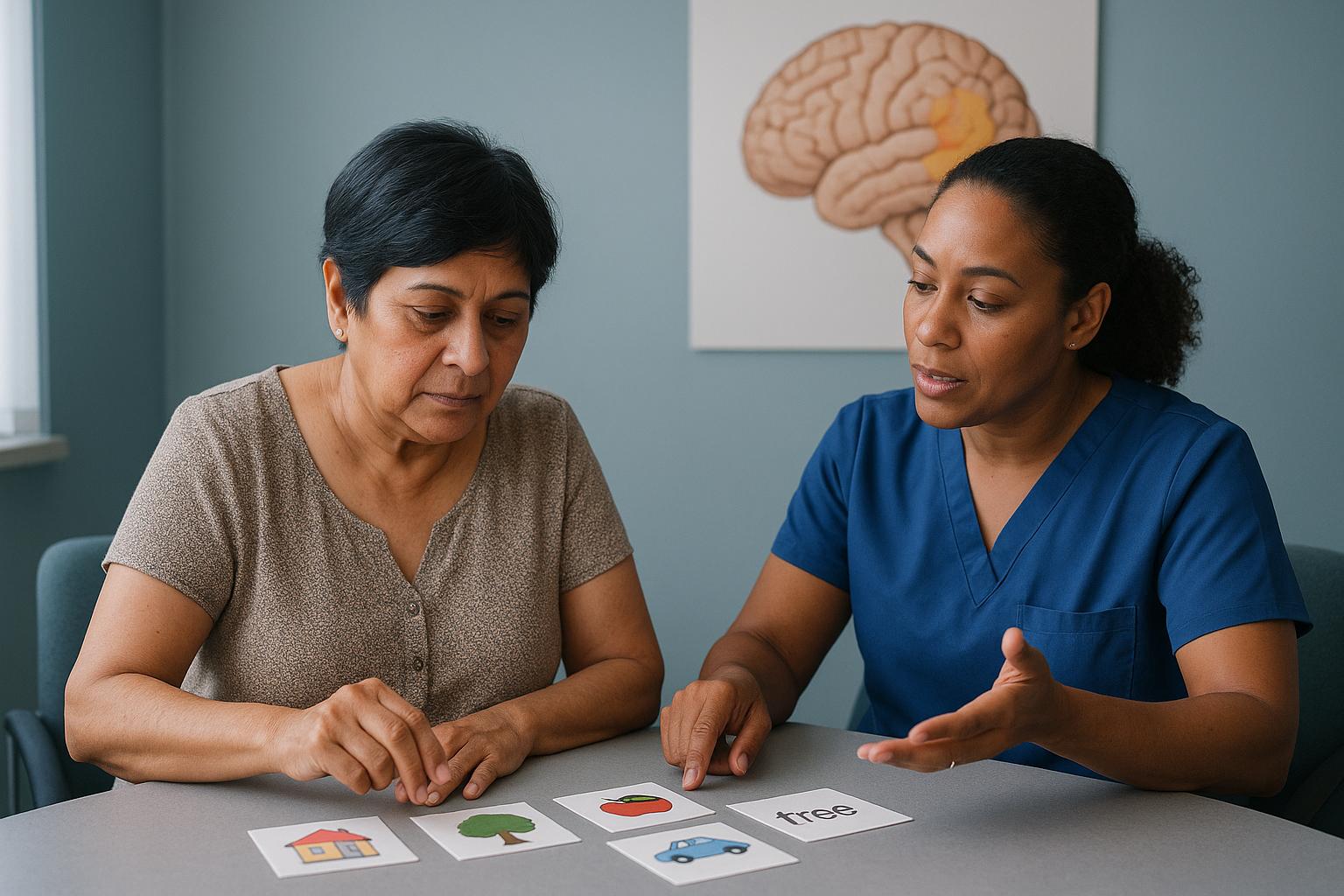
Stroke aphasia occurs when brain damage disrupts language processing in the left hemisphere, affecting speaking, understanding, reading, or writing. Early intensive speech-language therapy combined with emerging neuromodulation techniques offers the strongest recovery potential, though outcomes depend on stroke severity, lesion location, and sustained rehabilitation engagement.
Aphasia After Stroke: Communication and Recovery Read More »
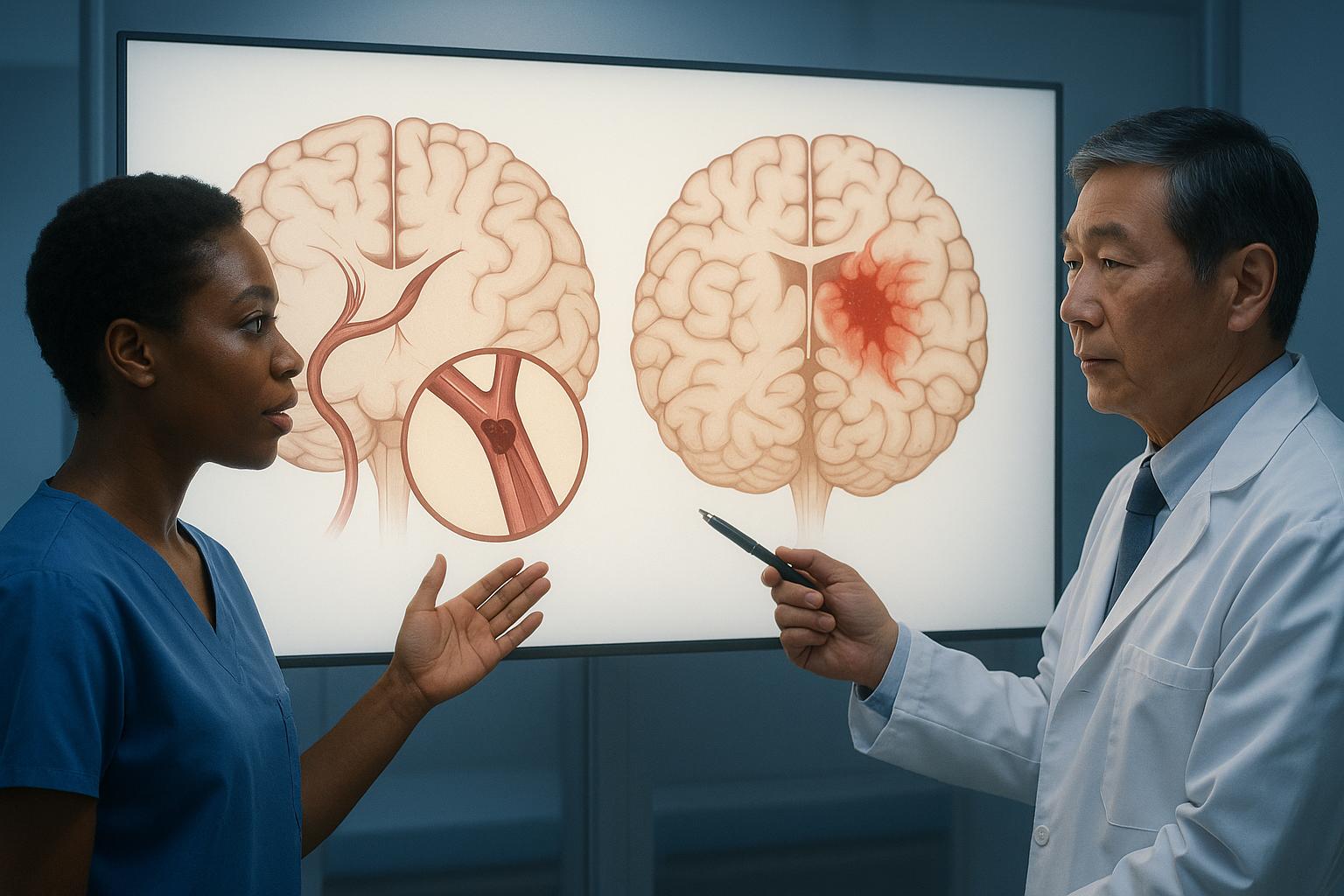
Ischemic vs hemorrhagic stroke differ fundamentally in cause and treatment. Expert medical-legal analysis from triple board-certified physician-attorney.
Ischemic vs Hemorrhagic Stroke: Key Medical Differences Read More »

CT and MRI serve distinct roles in stroke diagnosis. CT scans quickly rule out bleeding and remain the emergency standard. MRI detects smaller strokes earlier and reveals tissue damage CT cannot visualize. Understanding what each modality shows clarifies treatment decisions and case evaluation in medical-legal contexts.
CT vs MRI in Stroke Diagnosis: What Stroke Imaging Reveals Read More »

Stroke fatigue is a neurological condition affecting up to 70% of survivors, caused by brain injury that disrupts energy regulation and cognitive endurance. This article examines the mechanisms, functional impact, and evidence-based rehabilitation approaches from a medical-legal perspective.
Understanding Stroke Fatigue and Cognitive Endurance Read More »

Stroke rehabilitation follows structured phases with predictable recovery timelines. Understanding acute, subacute, and chronic phase milestones helps clarify whether therapy intensity met accepted standards during critical recovery windows and whether gaps in care affected long-term functional outcomes.
Stroke Rehabilitation Milestones and Functional Recovery Read More »
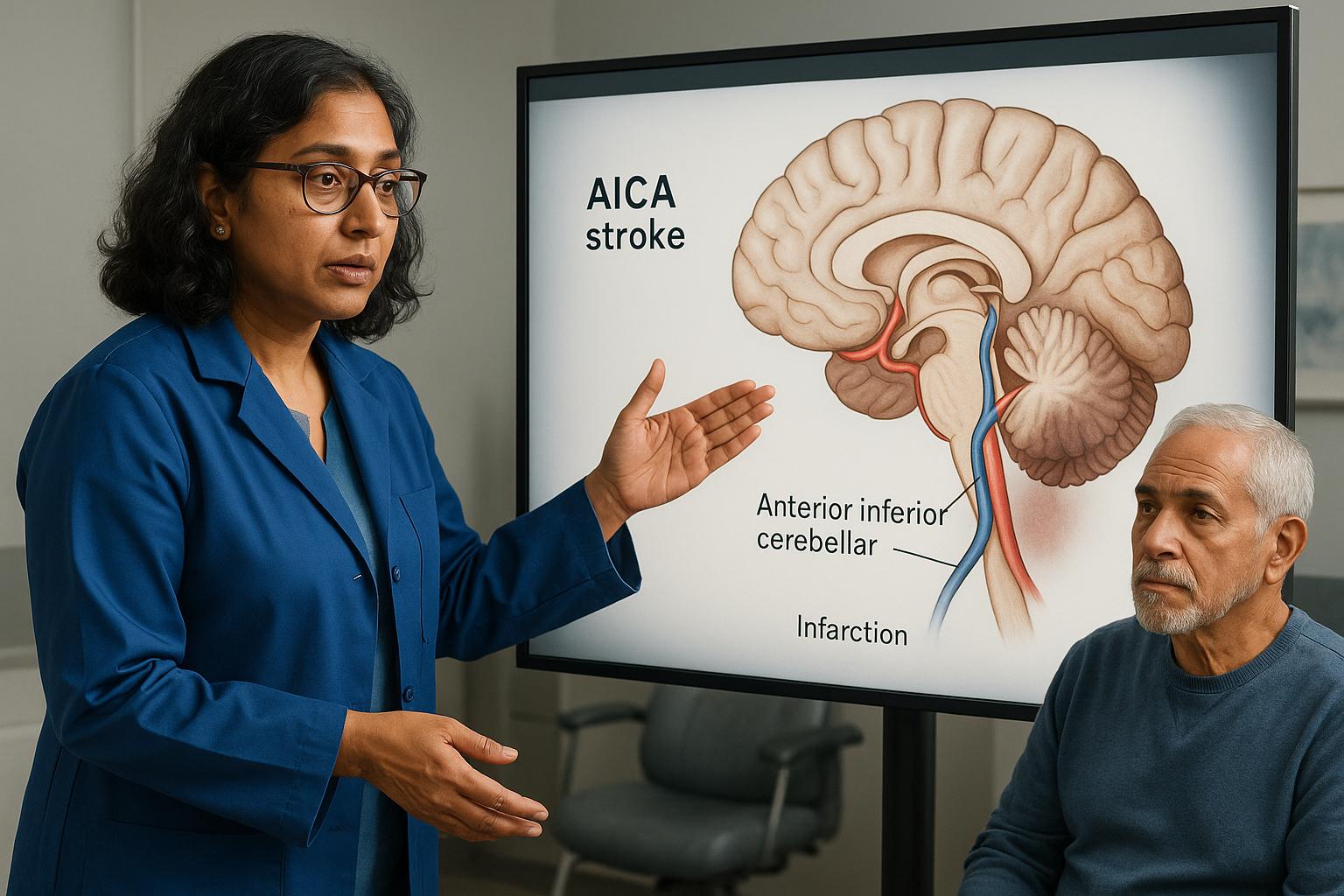
An AICA stroke occurs when the anterior inferior cerebellar artery becomes blocked, disrupting blood flow to the lower cerebellum and brainstem. This leads to sudden vertigo, hearing loss, facial weakness, and balance problems. MRI imaging reveals characteristic lesion patterns that guide diagnosis and treatment planning.
AICA Stroke Explained: Symptoms, Imaging, and Recovery Read More »

Stroke experts evaluate long-term disability using validated assessment tools including the modified Rankin Scale, Barthel Index, and cognitive instruments. This structured approach measures physical function, cognition, and daily living independence to produce reliable disability determinations for medical and legal purposes.
How a Stroke Expert Evaluates Long-Term Disability Read More »

Unlock the secrets of stroke rehab milestones! This essential guide explores how clinicians measure progress in Reno, offering insight on motor function, speech, and cognition improvements. Learn about tailored recovery plans, telemedicine options, and the legal importance of precise documentation for better health and outcomes.
Stroke Rehab Milestones: What Clinicians Measure and Why It Matters Read More »
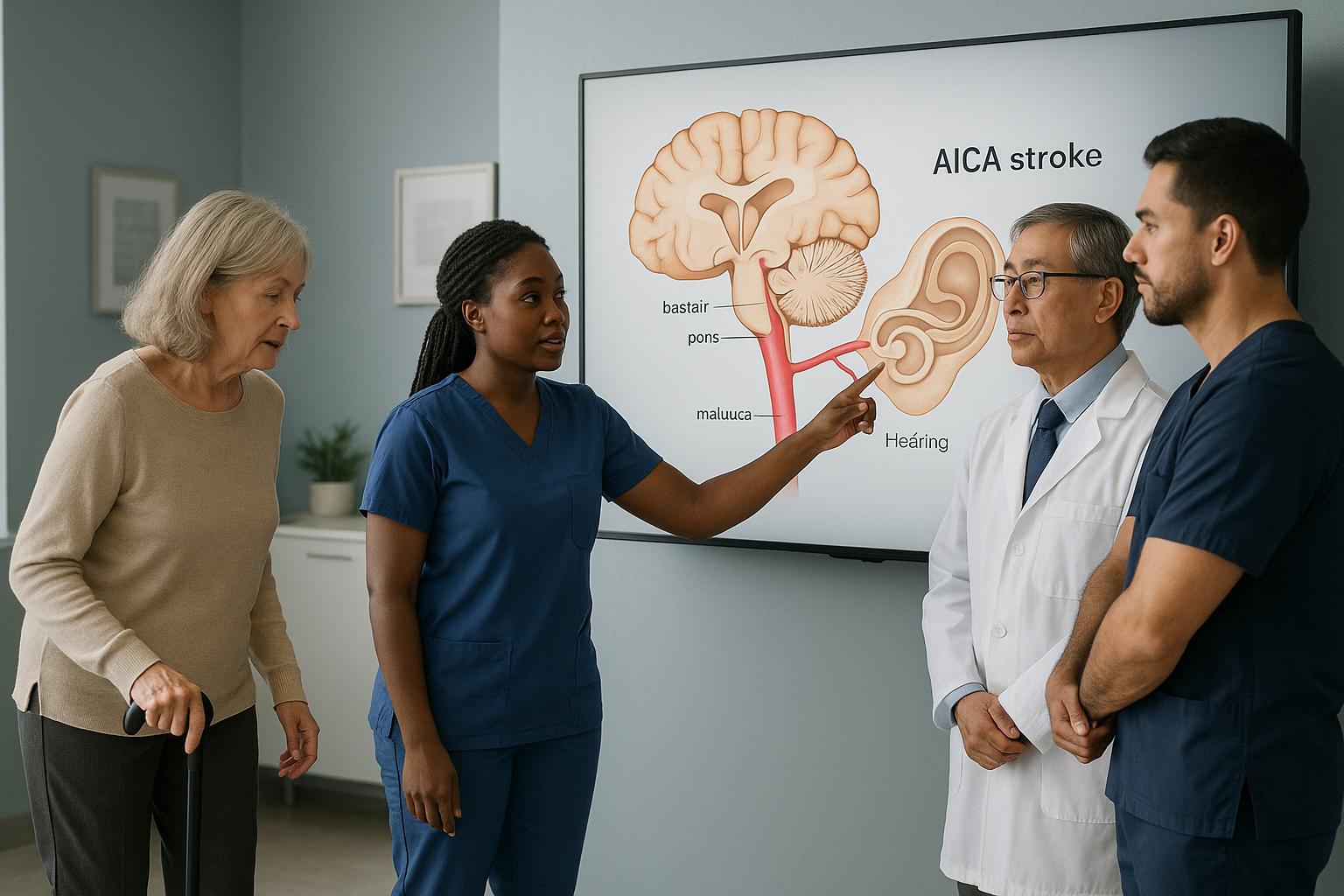
Unlock crucial insights on anterior inferior cerebellar artery stroke, which can lead to vertigo, imbalance, and hearing loss. Discover the importance of prompt diagnosis and intervention in both clinical and legal contexts. Contact our Reno-based expert for personalized care and telemedicine services across multiple states.
Balance, Vertigo, and Hearing Loss: How AICA Stroke Impact Neurologic Function Read More »