Why Mild Traumatic Brain Injury Wreaks Havoc Beyond What Scans Reveal
By Ellia Ciammaichella, DO, JD
Triple Board-Certified in Physical Medicine & Rehabilitation, Spinal Cord Injury Medicine, and Brain Injury Medicine
Quick Insights
Mild traumatic brain injury occurs when a blow or jolt disrupts normal brain function temporarily. Standard CT and MRI scans often appear normal despite ongoing neurological damage. Research shows persistent neuroinflammation can continue even when imaging looks clear. Symptoms like headaches, memory problems, and concentration difficulties may worsen over weeks. Early medical evaluation helps document injury patterns and guide appropriate recovery strategies.
Key Takeaways
- Complicated mild traumatic brain injury shows worse cognitive outcomes beyond three months compared to uncomplicated cases.
- Neuroinflammation and demyelination can persist despite normal MRI findings, affecting long-term function.
- The ACRM diagnostic criteria provide standardized frameworks that improve recognition of underestimated symptoms.
- CDC guidelines recommend against routine imaging in most mild cases, focusing instead on symptom monitoring.
Why It Matters
Underestimated mild traumatic brain injury symptoms can derail careers, relationships, and daily independence. Cognitive deficits may emerge gradually, making it harder to connect symptoms to the original injury. Understanding the gap between normal imaging and actual brain damage helps patients and families advocate for appropriate medical evaluation and workplace accommodations when recovery takes longer than expected.
Introduction
As a board-certified physician and attorney, I frequently evaluate cases where mild traumatic brain injury goes unrecognized or dismissed. My years of experience are enhanced by my dual credentials—Ellia Ciammaichella, DO, JD, triple board-certified in physical medicine and rehabilitation, spinal cord injury medicine, and brain injury medicine.
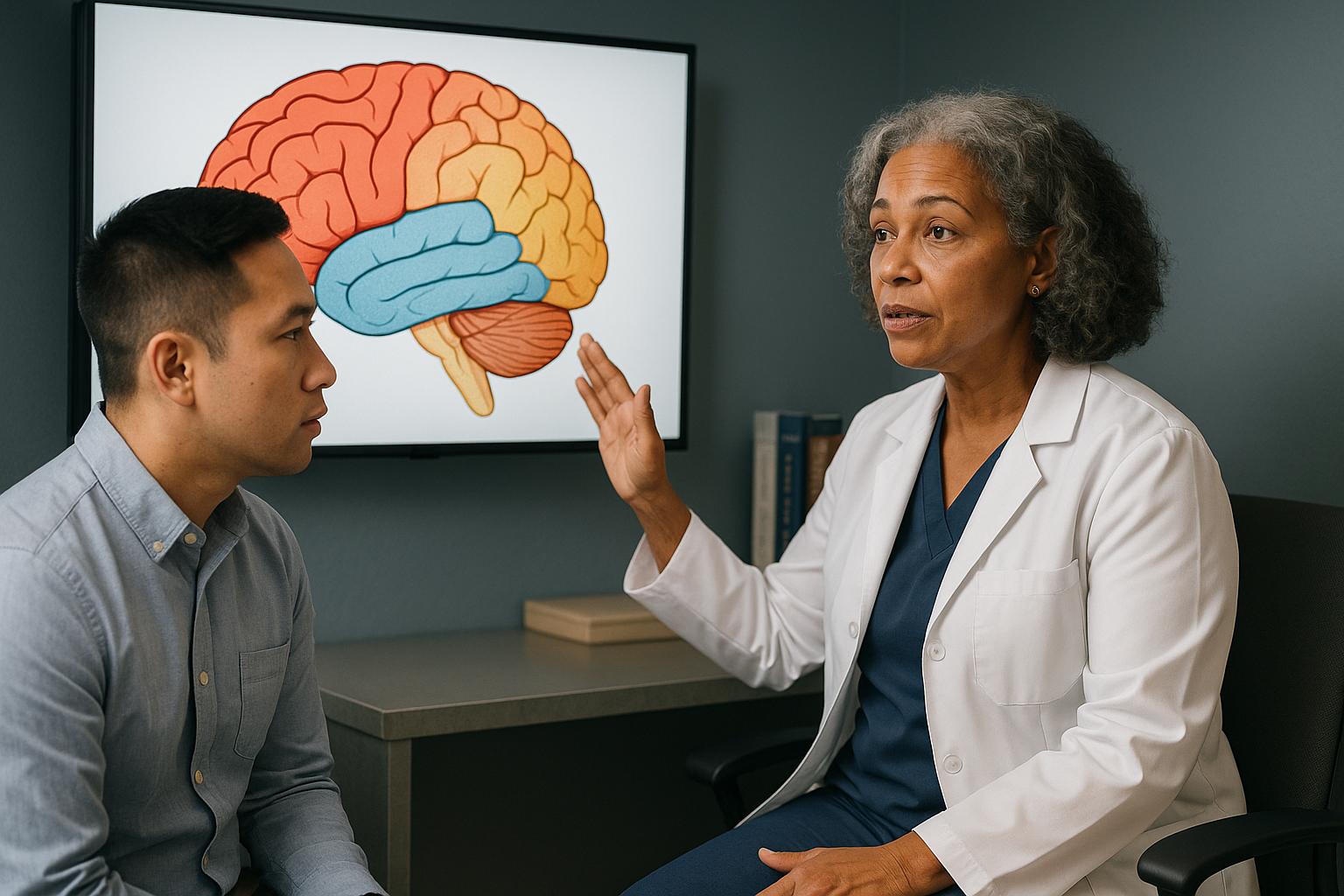
Mild traumatic brain injury occurs when a blow or jolt temporarily disrupts normal brain function. Despite the “mild” label, this injury can produce persistent symptoms that significantly affect daily life. Standard imaging often appears normal, leading physicians and attorneys to underestimate the injury’s true impact.
My dual training allows me to understand both the medical complexity and the legal implications when symptoms don’t match imaging results. Neuroinflammation and structural changes can persist even when CT and MRI scans look clear, creating a gap between objective findings and subjective complaints.
This article explains why mild traumatic brain injury symptoms are frequently underestimated and what that means for medical evaluation and legal documentation. Persistent symptoms and diagnostic challenges are common in cases of brain injury caused by repeated head trauma.
What Defines Mild Traumatic Brain Injury
Mild traumatic brain injury occurs when a blow, jolt, or penetrating injury disrupts normal brain function temporarily. The injury may involve loss of consciousness for less than 30 minutes, or no loss of consciousness at all. Post-traumatic amnesia typically lasts less than 24 hours, and initial Glasgow Coma Scale scores range from 13 to 15.
The American Congress of Rehabilitation Medicine established diagnostic criteria that provide a standardized framework for identifying mild traumatic brain injury across clinical settings. These criteria help physicians recognize cases that might otherwise be dismissed as minor head trauma.
In my practice of evaluating brain injury cases, I’ve found that the gap between the “mild” classification and actual functional impact creates significant challenges. The term “mild” refers to the severity of the initial insult, not the long-term impact on function.
Complicated mild traumatic brain injury—cases with positive imaging findings—often produce worse outcomes than uncomplicated cases, but even uncomplicated injuries can cause persistent problems.
The distinction between complicated and uncomplicated cases matters for prognosis. Patients with intracranial abnormalities on CT or MRI face a higher risk of prolonged symptoms and functional limitations. However, normal imaging does not rule out significant neurological damage or predict easy recovery.
Why Standard Imaging Often Misses mTBI Damage
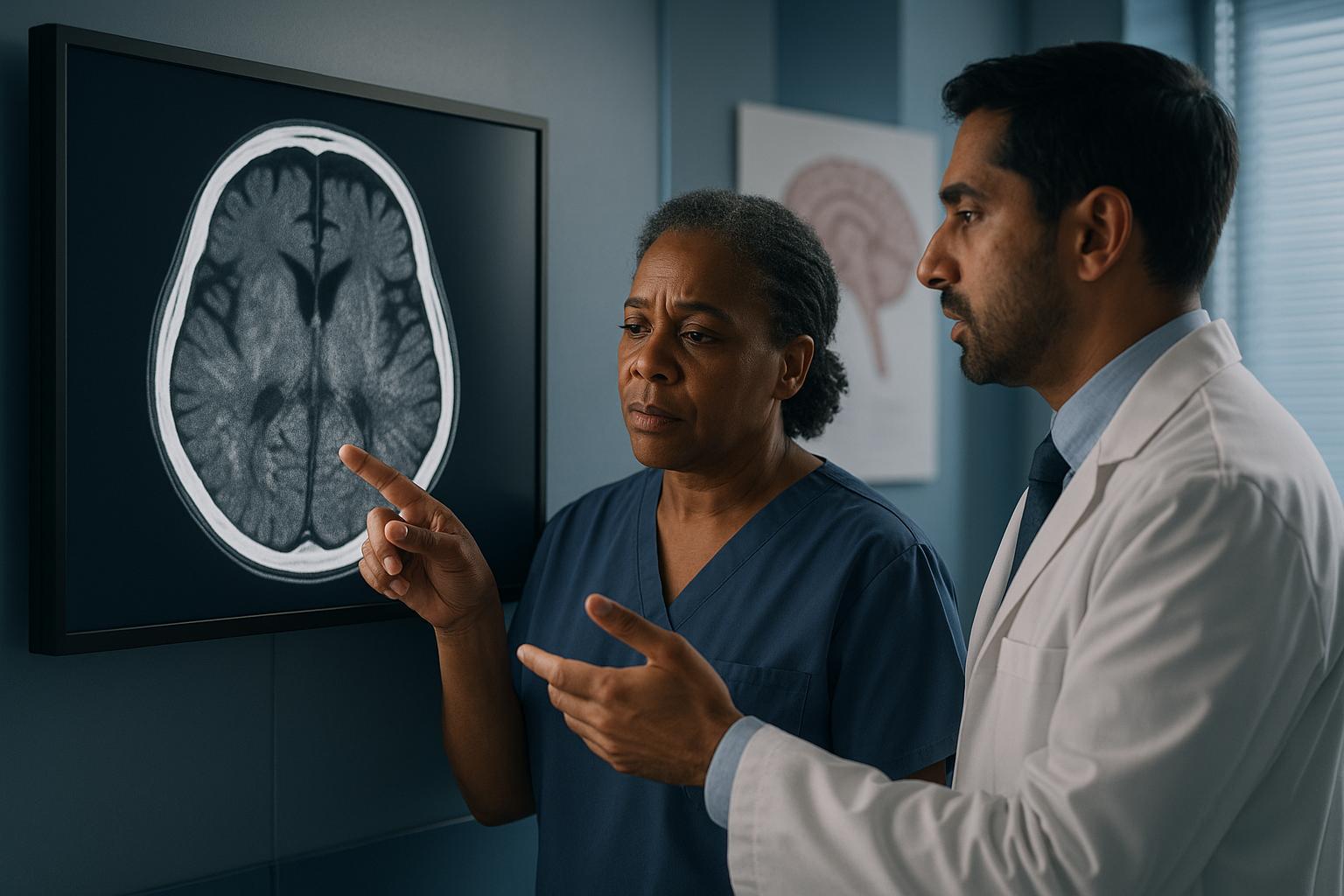
CT scans and standard MRI sequences detect structural abnormalities like bleeding, contusions, and skull fractures. These imaging modalities work well for identifying acute surgical emergencies, but often appear normal in mild traumatic brain injury cases. The absence of visible damage on routine imaging does not mean the brain is uninjured.
Diffuse axonal injury, a type of damage caused by rotational forces during impact, frequently escapes detection on standard imaging. This injury involves widespread damage to axons throughout the brain. The damage occurs at a cellular level that conventional imaging cannot resolve.
CDC guidelines recommend against routine imaging in most mild cases because the yield is low and radiation exposure carries its own risks. Physicians instead rely on clinical assessment, symptom monitoring, and functional evaluation to guide management decisions.
When reviewing medical records in litigation cases, I often see defense arguments that normal imaging proves no injury occurred. This reasoning ignores the well-documented gap between imaging findings and actual neurological damage.
Advanced imaging techniques like diffusion tensor imaging (DTI) can detect white matter abnormalities not visible on standard scans; however, the availability and interpretation of DTI results may vary depending on institutional resources and expertise.
Attorneys and clinicians who recognize the limits of standard imaging are better equipped to seek objective medical-legal consulting that clarifies the full impact of injury.
The Hidden Role of Neuroinflammation in Persistent Symptoms
Neuroinflammation represents the brain’s immune response to injury. After mild traumatic brain injury, inflammatory processes can persist for months or years, even when imaging appears normal. This ongoing inflammation contributes to symptoms like headaches, cognitive difficulties, and mood changes.
Research demonstrates that persistent neuroinflammation occurs despite the absence of findings on MRI. Animal studies suggest that certain behavioral deficits, such as impaired memory and motor functions, along with prolonged inflammatory responses, may persist even after structural brain injuries have healed. These findings help explain why patients continue experiencing symptoms when physicians expect recovery.
Temporal patterns of neuroinflammation and demyelination affect cognitive function differently at various time points after injury. The inflammatory response following brain injuries can evolve over time, potentially leading to a complex and individualized recovery trajectory without a predictable timeline.
In my evaluations, I look for patterns consistent with ongoing neuroinflammatory processes when patients report worsening symptoms weeks or months after injury. Inflammatory responses in the brain have been associated with alterations in neurotransmitter systems, which may influence sleep patterns and pain perception. These mechanisms operate independently of visible structural damage.
Cognitive Deficits That Emerge Over Time
Cognitive problems after mild traumatic brain injury often develop gradually rather than appearing immediately. Patients with traumatic brain injury may initially appear well on routine clinical assessment; however, as they engage in complex tasks during recovery, cognitive deficits such as impaired attention and executive function may become apparent due to disruptions in brain network connectivity. This delayed emergence makes it harder to connect symptoms to the original injury.
Meta-analysis shows that complicated mild traumatic brain injury produces worse cognitive outcomes beyond three months compared to uncomplicated cases. However, even uncomplicated cases can result in measurable deficits on neuropsychological testing. The presence or absence of imaging abnormalities does not fully predict cognitive trajectory.
Individuals recovering from traumatic brain injuries may experience challenges with executive functions, including planning and organization, which can impact their return to work or school. Higher-order cognitive skills, such as problem-solving and decision-making, involve complex processes that facilitate goal-directed behavior.
Minor disruptions in brain networks, such as those affecting connectivity between regions, may impair performance on complex tasks like multitasking, while basic functions remain intact. For further understanding of how recovery milestones are evaluated after spinal cord injury, related neurorehabilitation strategies may assist in maximizing function post-injury.
When evaluating cognitive complaints in litigation contexts, I consider the specific demands of the patient’s occupation and daily activities. A deficit that minimally affects someone with routine job tasks may be disabling for someone whose work requires sustained attention, rapid decision-making, or complex problem-solving. Functional impact matters more than test scores alone.
Current Diagnostic Standards and Clinical Guidelines
Standardized diagnostic criteria help physicians identify mild traumatic brain injury consistently across different clinical settings. The American Congress of Rehabilitation Medicine criteria require documented alteration of consciousness, loss of consciousness for less than 30 minutes, post-traumatic amnesia for less than 24 hours, or transient neurological abnormalities. These objective markers reduce diagnostic variability.
Clinical guidelines emphasize symptom-based management rather than imaging-driven approaches for most cases. Physicians monitor patients for red flags indicating complications while providing education about expected recovery patterns. This approach recognizes that most patients improve with time and supportive care.
In medical-legal evaluations, I apply these standardized criteria to determine whether the documented injury meets diagnostic thresholds. Defense experts sometimes argue that a brief or absent loss of consciousness means no significant injury occurred. However, current diagnostic standards recognize that an altered mental state without complete unconsciousness still qualifies as mild traumatic brain injury.
The challenge lies in cases where documentation is incomplete or conflicting. Emergency department records may not capture all relevant details, especially when patients present hours or days after injury. Retrospective diagnosis requires careful analysis of all available evidence, including witness statements and subsequent symptom development.
Treatment Approaches for Post-Concussive Symptoms
Systematic reviews of treatment approaches show that cognitive training, psychoeducation, graded return to activity, and cognitive behavioral therapy offer varying levels of effectiveness for persistent symptoms. The evidence base remains limited by methodological challenges, but these interventions represent current best practices.
Early intervention focuses on symptom management and gradual return to normal activities. Patients benefit from clear guidance about pacing cognitive and physical demands to avoid symptom exacerbation. Rest alone is not therapeutic; controlled activity promotes recovery better than prolonged inactivity.
Multidisciplinary care often proves necessary for patients with persistent symptoms. Physical therapy addresses vestibular and cervical issues, occupational therapy helps with cognitive strategies and activity modification, and psychological support manages mood symptoms and adjustment difficulties. This coordinated approach targets the multiple systems affected by brain injury.
In my practice, I emphasize realistic expectations about recovery timelines while maintaining optimism about improvement. Most patients do recover, but the process may take longer than initially expected. Some patients develop chronic symptoms requiring ongoing management rather than a cure. Distinguishing between these trajectories helps guide appropriate treatment planning and disability determinations.
My Approach to Evaluating Mild Traumatic Brain Injury
In my 15+ years evaluating individuals with brain injuries, I’ve found that the gap between imaging results and actual functional impairment creates significant challenges in both clinical and legal contexts.
From my unique perspective with both medical and legal training, I understand why mild traumatic brain injury cases often face skepticism. Normal CT and MRI scans lead some to conclude no real injury occurred, yet patients continue struggling with memory problems, headaches, and concentration difficulties that disrupt work and daily life.
My approach focuses on comprehensive functional assessment rather than relying solely on imaging findings. I document specific cognitive deficits, evaluate how symptoms affect occupational performance, and explain the neurobiological mechanisms that produce persistent problems despite normal scans. This detailed analysis helps both plaintiffs seeking fair compensation and defendants requiring objective evaluation understand the true extent of functional limitations.
When reviewing mild traumatic brain injury cases, I translate complex medical findings into clear documentation that all parties—physicians, attorneys, and litigants—can understand and use to make informed decisions about damages and treatment needs.
Conclusion
In summary, mild traumatic brain injury produces persistent symptoms that standard imaging often fails to capture, creating a significant gap between objective findings and actual functional impairment. Neuroinflammation and structural changes continue long after the initial injury, affecting cognition, mood, and daily function in ways that CT and MRI scans cannot reveal.
Emerging neuromodulation approaches like repetitive transcranial magnetic stimulation show promise for managing persistent post-concussive symptoms when traditional interventions fall short.
As a physician and attorney, I understand how this diagnostic complexity affects both medical care and legal outcomes. Accurate documentation of functional limitations matters more than imaging results alone when evaluating the true impact of mild traumatic brain injury on work capacity, daily activities, and long-term prognosis.
Based in Reno, Nevada, Dr. Ellia Ciammaichella provides medical-legal services across licensed states such as Texas, California, and Colorado. Through Ciammaichella Consulting Services, PLLC, I am available to travel for expert testimony and in-person evaluations when appropriate. This flexibility allows individuals and legal teams with complex cases to access consistent, expert analysis regardless of location.
I invite you to request a consultation today to discuss how a comprehensive medical-legal evaluation can clarify the functional impact of mild traumatic brain injury in your case. Whether you need an objective assessment for litigation or guidance on appropriate treatment pathways, my dual training helps bridge the gap between medical evidence and legal documentation.
This article is for educational purposes only and should not be used as a substitute for professional medical advice, diagnosis, or treatment. Always seek the advice of your physician or other qualified healthcare provider with any questions you may have regarding a medical condition or treatment options. Never disregard professional medical advice or delay in seeking it because of something you have read in this article.
Frequently Asked Questions
How can mild traumatic brain injury cause persistent symptoms when imaging looks normal?
Standard CT and MRI scans detect structural abnormalities like bleeding and contusions, but miss microscopic damage at the cellular level. Diffuse axonal injury involves the tearing of nerve fibers that conventional imaging cannot resolve. Persistent neuroinflammation continues for months after injury, disrupting neurotransmitter systems and neural networks even when scans appear clear.
This explains why patients experience ongoing cognitive difficulties, headaches, and functional limitations despite normal imaging results. The gap between imaging findings and actual neurological damage is well-documented in research.
What makes complicated mild traumatic brain injury different from uncomplicated cases?
Complicated mild traumatic brain injury shows visible abnormalities on CT or MRI scans, such as small hemorrhages or contusions, while uncomplicated cases have normal imaging. Research demonstrates that complicated cases produce worse cognitive outcomes beyond three months compared to uncomplicated injuries.
However, both types can cause persistent symptoms and functional impairment. The presence of imaging abnormalities helps predict prognosis but does not determine the full extent of disability. Even uncomplicated cases may result in measurable deficits on neuropsychological testing and a significant impact on work performance and daily activities.
How does medical documentation of mild traumatic brain injury affect legal case evaluation?
Thorough medical documentation bridges the gap between subjective complaints and objective evidence in litigation contexts. Detailed functional assessments, neuropsychological testing results, and documentation of symptom patterns help establish the injury’s impact on work capacity and daily life.
When imaging appears normal, a comprehensive clinical evaluation becomes essential for demonstrating actual impairment. I provide objective analysis that helps both plaintiffs and defendants understand the true extent of functional limitations, ensuring fair evaluation of damages based on medical evidence rather than imaging results alone.
About the Author
Dr. Ellia Ciammaichella, DO, JD, is a triple board-certified physician specializing in Physical Medicine & Rehabilitation, Spinal Cord Injury Medicine, and Brain Injury Medicine. With dual degrees in medicine and law, she offers a rare, multidisciplinary perspective that bridges clinical care and medico-legal expertise. Dr. Ciammaichella helps individuals recover from spinal cord injuries, traumatic brain injuries, and strokes—supporting not just physical rehabilitation but also the emotional and cognitive challenges of life after neurological trauma. As a respected independent medical examiner (IME) and expert witness, she is known for thorough, ethical evaluations and clear, courtroom-ready testimony. Through her writing, she advocates for patient-centered care, disability equity, and informed decision-making in both medical and legal settings.