Unlocking Recovery: Transformative Traumatic Brain Injury Physical Therapy for Lasting Independence
By Ellia Ciammaichella, DO, JD
Triple Board-Certified in Physical Medicine & Rehabilitation, Spinal Cord Injury Medicine, and Brain Injury Medicine
Quick Insights
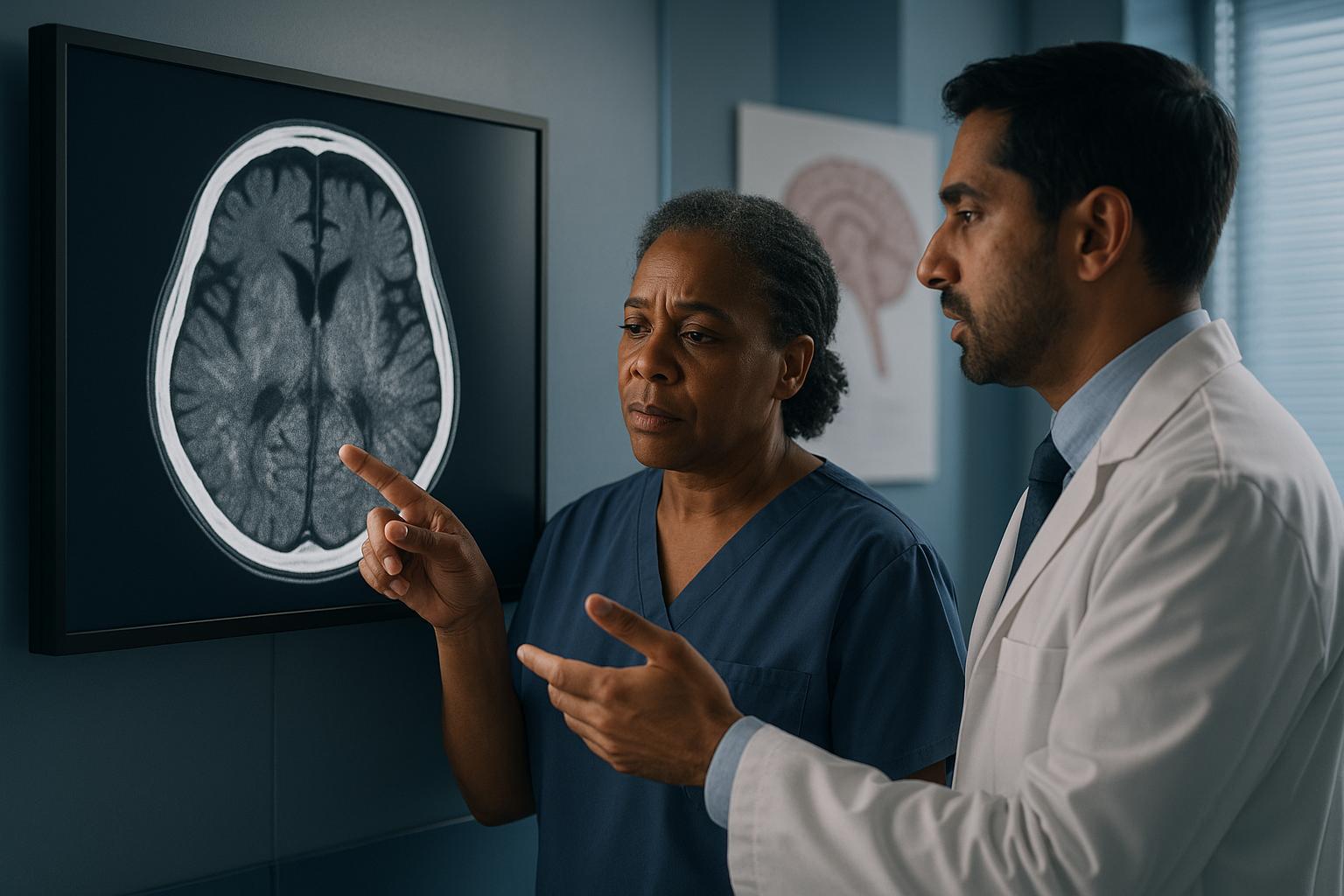
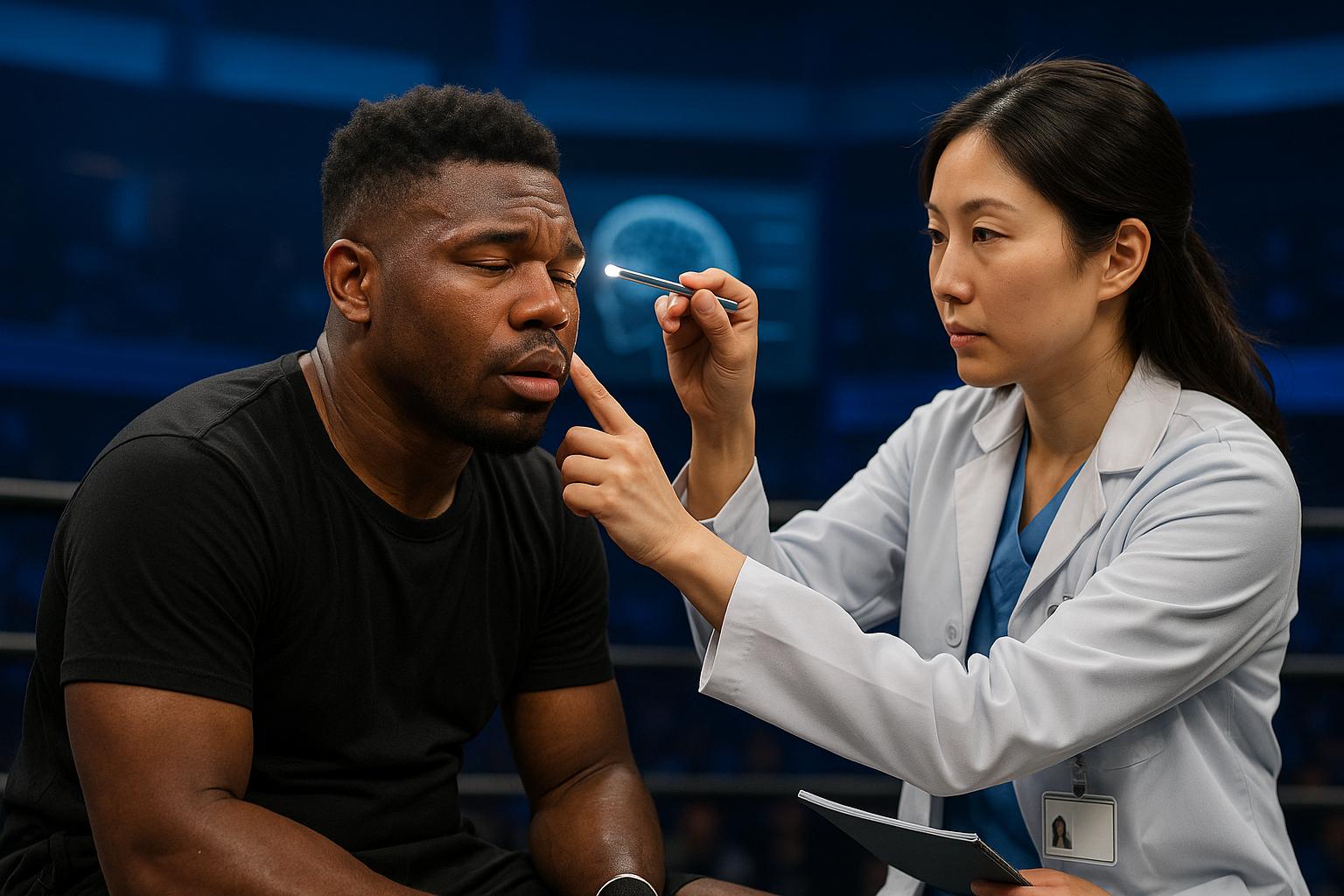
Traumatic brain injury physical therapy focuses on restoring movement, balance, and functional independence after brain trauma. Physical therapists design exercise programs that address gait abnormalities, coordination deficits, and muscle weakness while monitoring for symptom exacerbation. Early active rehabilitation that gradually increases heart rate without worsening symptoms may improve recovery outcomes. Extended rest is generally not beneficial for most patients.
Key Takeaways
- Balance and gait training interventions show positive effects in mild-to-moderate TBI cases.
- Physical exercise may enhance cognitive recovery alongside physical function improvements after brain injury.
- Spasticity and abnormal movement patterns require specialized evaluation and targeted therapeutic approaches.
- Early physical therapy during acute rehabilitation yields better motor recovery in severe TBI patients.
Why It Matters
Physical limitations after traumatic brain injury directly affect daily independence, work capacity, and quality of life. Understanding how physical therapy addresses these functional deficits helps attorneys and coordinators evaluate rehabilitation needs in injury cases. Evidence-based PT protocols provide measurable outcomes that document recovery progress and long-term functional prognosis.
Introduction
As a board-certified physician and attorney, I evaluate traumatic brain injury cases where physical limitations directly affect legal outcomes. My experience is informed by my background as Ellia Ciammaichella, DO, JD, reflecting extensive medical and legal training.
Traumatic brain injury physical therapy is a specialized rehabilitation approach that addresses movement deficits, balance impairments, and functional limitations caused by brain trauma. Physical therapists design individualized exercise programs targeting gait abnormalities, coordination problems, and muscle weakness while carefully monitoring symptoms.
Evidence demonstrates that early active rehabilitation improves recovery outcomes in mild TBI cases, while extended rest generally provides no benefit.
Understanding how physical therapy restores function after brain injury helps attorneys evaluate rehabilitation needs and long-term prognosis in injury cases. The therapeutic approach varies significantly based on injury severity, specific deficits, and individual recovery patterns.
For further insight on related neurological rehabilitation topics, learn more about the ICD-10 classification for traumatic brain injury.
This article explains evidence-based physical therapy protocols, functional recovery goals, and measurable outcomes that matter in legal contexts.
How Physical Therapy Supports Recovery After Traumatic Brain Injury
Physical therapy addresses the movement and functional deficits that commonly follow brain trauma. In my evaluations of TBI cases, I focus on how PT interventions target specific impairments—balance problems, coordination deficits, muscle weakness, and abnormal movement patterns. These deficits directly affect a person’s ability to work, care for themselves, and maintain independence.
Systematic reviews suggest that balance and gait interventions may have positive effects in mild-to-moderate TBI cases; however, variability in study design and outcomes limits definitive conclusions.
Physical therapists design individualized programs based on each patient’s specific deficits and functional goals. The approach differs significantly between someone with mild balance problems and someone with severe coordination impairments requiring assistive devices.
Traumatic brain injury physical therapy typically includes strengthening exercises, balance training, gait retraining, and functional movement practice. Therapists monitor symptoms carefully during sessions to avoid exacerbation. The goal is gradual progression that improves function without triggering setbacks. This requires careful assessment and adjustment based on individual response patterns.
Balance and Gait Training: Restoring Mobility and Independence
Balance impairments after TBI create significant safety risks and limit functional independence. I evaluate how these deficits affect daily activities—walking on uneven surfaces, navigating stairs, carrying objects while moving. These functional limitations directly impact work capacity and quality of life in ways that matter for legal assessments.
Task-specific physical therapy interventions have been shown to improve balance in stroke rehabilitation; however, their effectiveness in TBI cases remains to be fully established, necessitating further research. This means practicing actual functional movements rather than isolated exercises. A patient who needs to return to construction work requires different balance training than someone whose job involves desk work.
Gait training addresses abnormal walking patterns that develop after brain injury. These patterns may result from weakness, spasticity, coordination problems, or sensory deficits. Physical therapists analyze gait mechanics and design interventions targeting specific abnormalities. The training often progresses from parallel bars to assistive devices to independent walking, depending on severity and recovery trajectory.
Exercise-Based Interventions for Cognitive and Physical Function
Physical exercise after TBI serves dual purposes—improving both physical capabilities and cognitive function. Systematic reviews suggest that physical exercise may have beneficial effects on cognitive recovery after brain injury; however, study heterogeneity limits definitive conclusions. This connection between physical activity and cognitive improvement matters when evaluating overall functional prognosis.
For readers interested in brain injuries caused by repeated head trauma, you may find further details in the discussion of brain injuries caused by repeated head trauma in contact sports.
Exercise programs must be carefully designed to avoid symptom exacerbation while providing sufficient challenge to promote recovery. When evaluating PT protocols, I assess baseline exercise tolerance, symptom patterns, and functional goals.
Preliminary evidence suggests that physical activity could positively influence physical function in moderate-to-severe TBI cases; however, more robust research is required to confirm these effects.
Aerobic exercise, strength training, and coordination activities each contribute differently to recovery. Therapists typically combine these elements based on individual needs and tolerance. The progression must account for fatigue patterns, cognitive limitations, and safety considerations specific to brain injury recovery.
Managing Spasticity and Movement Disorders Through Targeted Therapy
Spasticity and abnormal movement patterns frequently complicate TBI recovery. These motor control problems affect functional movement and require specialized evaluation. Clinical practice often involves systematic evaluation of spastic gait patterns to determine appropriate interventions, which may include targeted therapies alongside physical therapy.
Physical therapists use specific techniques to address spasticity—stretching programs, positioning strategies, and functional movement retraining. The approach depends on which muscle groups are affected and how spasticity impacts function.
Upper extremity spasticity requires different interventions than lower extremity involvement. When reviewing cases, I assess whether spasticity management has been adequate and appropriate for the patient’s functional needs.
Movement disorders after TBI may include tremor, ataxia, or dystonia. These conditions require specialized PT approaches that differ from standard strengthening or balance training. The functional impact varies considerably—some patients compensate effectively while others experience significant disability that affects work capacity and independence.
When a traumatic brain injury case requires independent medical examination, specialist case review, or litigation support, I provide medical-legal consulting services to attorneys and clients nationwide.
Timing and Progression: When to Start and How to Advance Safely
The timing of physical therapy initiation significantly affects outcomes. Evidence supports early active rehabilitation that gradually increases activity without exacerbating symptoms. Extended rest generally provides no benefit and may delay recovery. This evidence-based approach contrasts with older protocols that emphasized prolonged rest after brain injury.
Progression must be individualized based on symptom response and functional improvement. Some patients tolerate rapid advancement while others require slower, more cautious progression. I evaluate whether PT protocols have been appropriately adjusted based on individual response patterns. Pushing too aggressively can cause setbacks, while progressing too slowly may limit recovery potential.
Safety considerations include monitoring for symptom exacerbation, fall risk assessment, and cardiovascular response to exercise. Patients with severe TBI may require more intensive monitoring during early rehabilitation phases.
The transition from inpatient to outpatient therapy represents a critical period where appropriate progression planning affects long-term outcomes. Coordination between rehabilitation settings ensures continuity of care and appropriate advancement of functional goals.
My Approach to Traumatic Brain Injury Rehabilitation
Throughout my career evaluating patients with traumatic brain injuries, I’ve found that physical therapy outcomes depend heavily on accurate functional assessment and individualized progression protocols.
From my perspective as both a physiatrist and attorney, I understand that legal professionals need clear documentation of how physical limitations affect work capacity and independence. When reviewing rehabilitation records in TBI cases, I assess whether PT protocols appropriately addressed specific deficits—balance impairments, gait abnormalities, spasticity, and coordination problems. I also evaluate whether progression was safely managed without symptom exacerbation.
My dual training allows me to translate complex rehabilitation concepts into accessible language for both medical and legal audiences. I provide objective analysis of PT outcomes that serves plaintiffs seeking fair compensation and defendants requiring thorough functional assessment. This approach ensures all parties understand the relationship between therapeutic interventions and measurable functional improvements.
Having treated hundreds of patients with brain injuries, I’ve observed that early, appropriately progressed physical therapy significantly influences long-term functional prognosis in ways that directly matter for litigation outcomes.
Conclusion
In summary, traumatic brain injury physical therapy addresses movement deficits, balance impairments, and functional limitations through evidence-based rehabilitation protocols. Evidence supports early physical therapy targeting specific deficits like gait abnormalities, coordination problems, and spasticity, though study heterogeneity limits definitive conclusions about optimal protocols for TBI populations.
As a physician and attorney, I evaluate how PT protocols affect functional prognosis in ways that directly matter for legal assessments—work capacity, independence measures, and long-term disability determination.
My dual training allows me to translate complex rehabilitation outcomes into clear documentation that serves both medical and legal purposes. I provide objective analysis of PT effectiveness for plaintiffs seeking fair compensation and defendants requiring thorough functional assessment.
As discussed, physical activity appears to positively influence both physical function and quality of life in TBI cases, supporting the value of individualized PT protocols in rehabilitation planning.
Based in Reno, Nevada, Dr. Ellia Ciammaichella provides medical-legal services through Ciammaichella Consulting Services, PLLC, across licensed states such as Texas, California, and Colorado. I am available to travel for expert testimony and in-person evaluations when appropriate. This flexibility allows individuals and legal teams with complex cases to access consistent, expert analysis regardless of location.
If you would like to discuss your case further, request a consultation to discover how accurate medical documentation and functional assessment can clarify rehabilitation needs and long-term prognosis in your TBI case.
This article is for educational purposes only and should not be used as a substitute for professional medical advice, diagnosis, or treatment. Always seek the advice of your physician or other qualified healthcare provider with any questions you may have regarding a medical condition or treatment options. Never disregard professional medical advice or delay in seeking it because of something you have read in this article.
Frequently Asked Questions
What are the primary goals of physical therapy after traumatic brain injury?
Physical therapy after TBI focuses on restoring functional independence through targeted interventions that address balance deficits, gait abnormalities, coordination problems, and muscle weakness. Therapists design individualized programs that gradually progress activity levels while monitoring for symptom exacerbation.
The approach emphasizes task-specific training that translates to real-world functional improvements—walking safely on varied surfaces, managing stairs, and performing daily activities independently. Treatment protocols also address spasticity and abnormal movement patterns that commonly develop after brain injury, using specialized techniques to optimize motor control and functional movement quality.
How soon should physical therapy begin after a traumatic brain injury?
Evidence supports early active rehabilitation that gradually increases activity without worsening symptoms, rather than extended rest periods. The specific timing depends on injury severity, medical stability, and individual symptom patterns. Patients with mild TBI may begin outpatient therapy within days to weeks, while those with severe injuries typically start during acute inpatient rehabilitation once medically stable.
Early intervention during acute and post-acute phases correlates with better motor recovery outcomes. Progression must be carefully monitored and adjusted based on individual response, with therapists balancing therapeutic challenge against safety considerations and symptom management throughout the recovery process.
Can physical therapy improve cognitive function after brain injury?
Physical exercise serves dual purposes after TBI—improving both physical capabilities and cognitive function. Research indicates that appropriately designed exercise programs may enhance cognitive recovery alongside motor improvements, though individual responses vary considerably. Aerobic activity, in particular, appears to support neuroplasticity and cognitive processing when safely progressed under medical supervision.
The exercise prescription must account for baseline tolerance, fatigue patterns, and symptom triggers specific to brain injury recovery. Therapists coordinate with physicians to ensure exercise intensity provides sufficient challenge to promote recovery without causing setbacks that could delay overall functional improvement or exacerbate post-concussive symptoms.
About the Author
Dr. Ellia Ciammaichella, DO, JD, is a triple board-certified physician specializing in Physical Medicine & Rehabilitation, Spinal Cord Injury Medicine, and Brain Injury Medicine. With dual degrees in medicine and law, she offers a rare, multidisciplinary perspective that bridges clinical care and medico-legal expertise. Dr. Ciammaichella helps individuals recover from spinal cord injuries, traumatic brain injuries, and strokes—supporting not just physical rehabilitation but also the emotional and cognitive challenges of life after neurological trauma. As a respected independent medical examiner (IME) and expert witness, she is known for thorough, ethical evaluations and clear, courtroom-ready testimony. Through her writing, she advocates for patient-centered care, disability equity, and informed decision-making in both medical and legal settings.

Medical Expert Services
Dr. Ciammaichella provides expert medical consulting for attorneys handling complex injury cases: