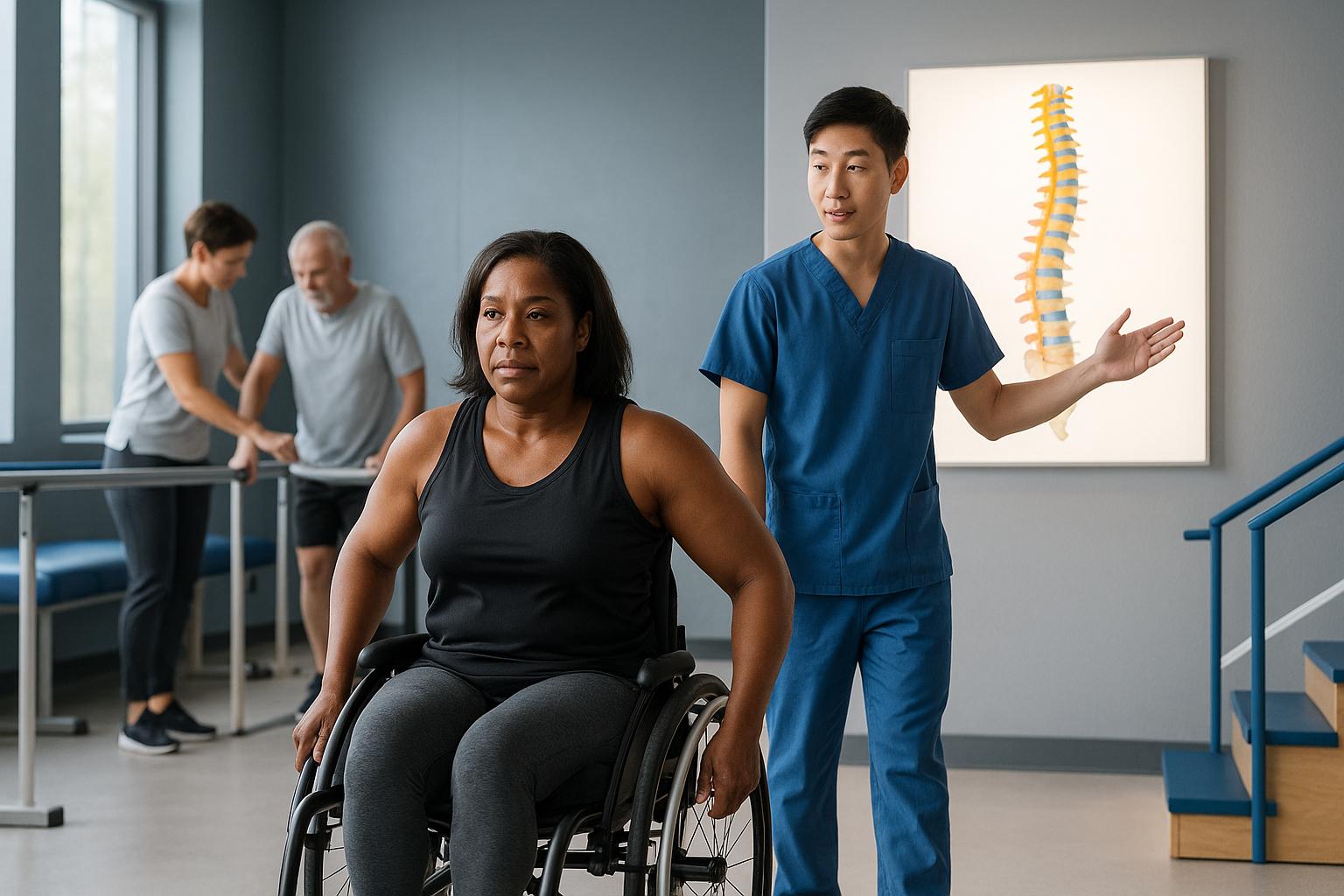
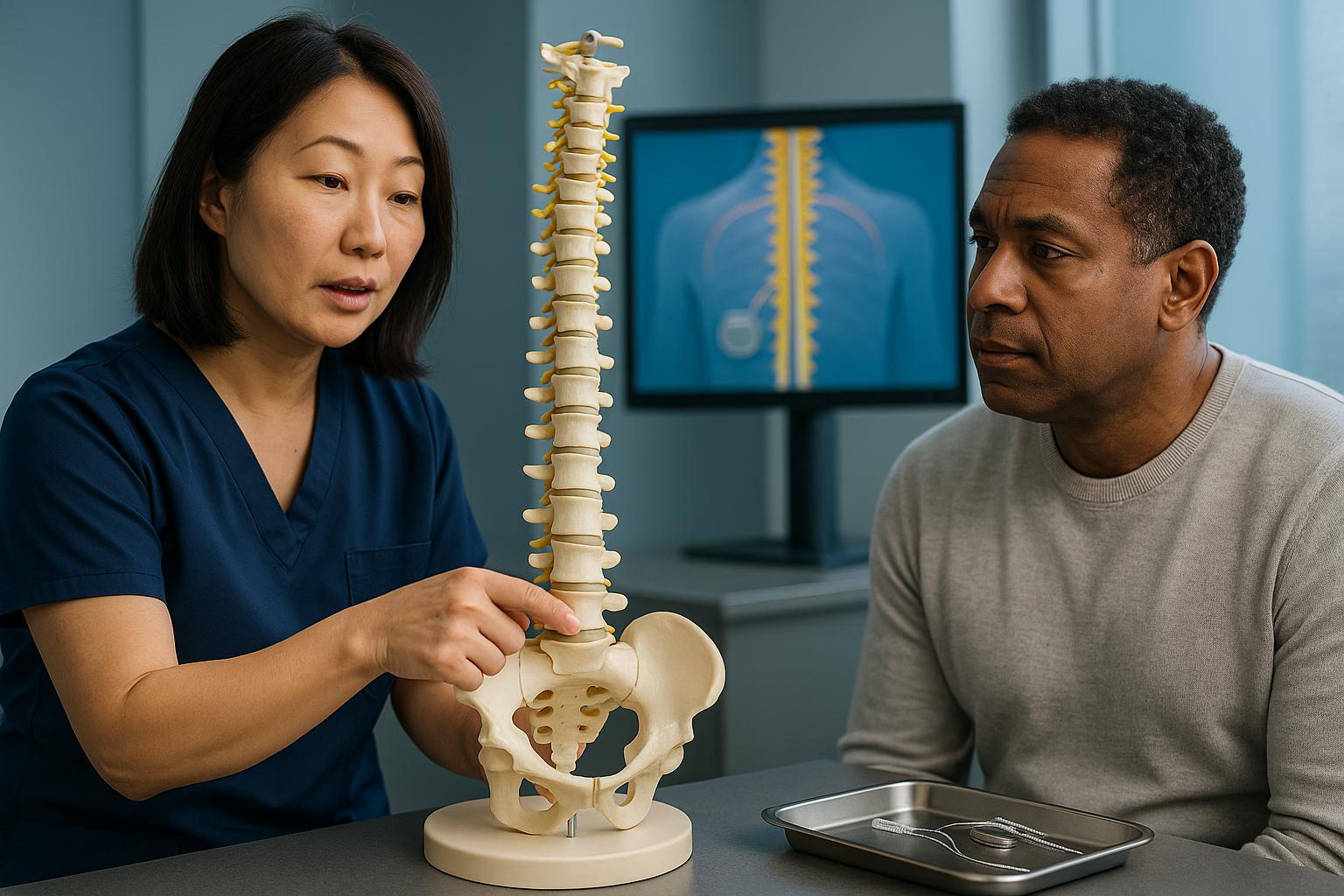
Returning Home After Spinal Cord Injury: Medical Considerations
By Ellia Ciammaichella, DO, JD
Triple Board-Certified in Physical Medicine & Rehabilitation, Spinal Cord Injury Medicine, and Brain Injury Medicine
Quick Insights
Returning home after spinal injury requires careful medical assessment of functional readiness, safety planning, and caregiver support systems. The transition involves evaluating bowel and bladder management independence, mobility capabilities, and home environment modifications. Medical research shows 14% of patients require readmission within 30 days, often due to inadequate discharge preparation. Successful home transitions depend on multidisciplinary coordination between rehabilitation teams, caregivers, and outpatient providers to manage ongoing medical needs and prevent complications.
Key Takeaways
- Discharge readiness includes demonstrated independence in bowel management, pressure injury prevention, and basic mobility tasks.
- Home modifications typically require wheelchair accessibility, bathroom safety equipment, and emergency response systems before discharge.
- Caregiver training must cover medication management, skin inspection protocols, and recognition of autonomic dysreflexia symptoms.
- Readmission rates reach 36% within 90 days, primarily from pressure injuries, urinary complications, and respiratory infections.
Why It Matters
This transition profoundly affects long-term independence and quality of life. Inadequate discharge planning can lead to preventable medical crises, emergency readmissions, and loss of rehabilitation gains. Understanding what constitutes true medical readiness helps families advocate for appropriate support systems and ensures patients receive necessary resources before leaving the hospital environment.
Introduction
As a board-certified physiatrist and attorney based in Reno, I evaluate spinal cord injury cases where discharge planning directly affects long-term outcomes and legal considerations. Clinicians, legal professionals, and families alike can benefit from the multidisciplinary perspective that comes from my combined medical and legal training — learn more about Dr. Ciammaichella.
Returning home after spinal injury requires careful assessment of functional capabilities, safety systems, and caregiver readiness. Evidence-based rehabilitation planning emphasizes multidisciplinary coordination to ensure patients can manage essential tasks like bowel care, pressure injury prevention, and mobility before discharge.
The transition involves more than medical stability—it requires demonstrated independence in daily functions that prevent complications. For a deeper understanding of how recovery milestones are evaluated after spinal cord injury, see our dedicated resource.
Inadequate preparation leads to preventable crises. Research shows 14% of patients require readmission within 30 days, often from complications that proper discharge planning could have prevented. Understanding what constitutes true medical readiness helps families and legal professionals evaluate whether discharge plans provide adequate support.
This article examines the clinical criteria physicians use to determine discharge readiness and the safety systems necessary for successful home transitions after spinal cord injury.
Medical Readiness Assessment Before Discharge
Discharge readiness depends on demonstrable functional capabilities, not just medical stability. In my evaluations of spinal cord injury cases, I focus on whether patients can independently manage essential daily tasks that prevent life-threatening complications. Functional independence measures at discharge predict long-term outcomes more reliably than injury severity alone.
Bowel and bladder management represent critical readiness markers. Rehabilitation teams work toward maximizing patient independence in bowel care routines before discharge. Bowel management programs aim to help patients achieve the highest feasible level of independence with digital stimulation, recognition of evacuation patterns, and timing management, though the degree of independence varies by injury level and completeness. Bladder management involves catheterization techniques, infection prevention, and fluid intake regulation. Inability to perform these tasks at the expected functional level creates significant readmission risk.
Pressure injury prevention requires demonstrated knowledge and execution. Patients are advised to perform weight shifts every 15 to 30 minutes when seated, holding each shift for at least one to two minutes to allow adequate tissue reperfusion. When lying down, repositioning frequency should be individualized based on the patient’s risk profile, skin tolerance, and support surface used. Standard clinical practice guidelines generally recommend repositioning at least every two hours, though individualized assessment with the rehabilitation team may warrant adjusted frequency depending on the patient’s specific circumstances.
They need to inspect skin daily using mirrors and recognize early warning signs like non-blanching redness. Mobility assessment includes wheelchair transfers, bed mobility, and navigation of home environments. These capabilities determine whether patients can safely function outside supervised medical settings.
Home Safety Modifications and Equipment Needs
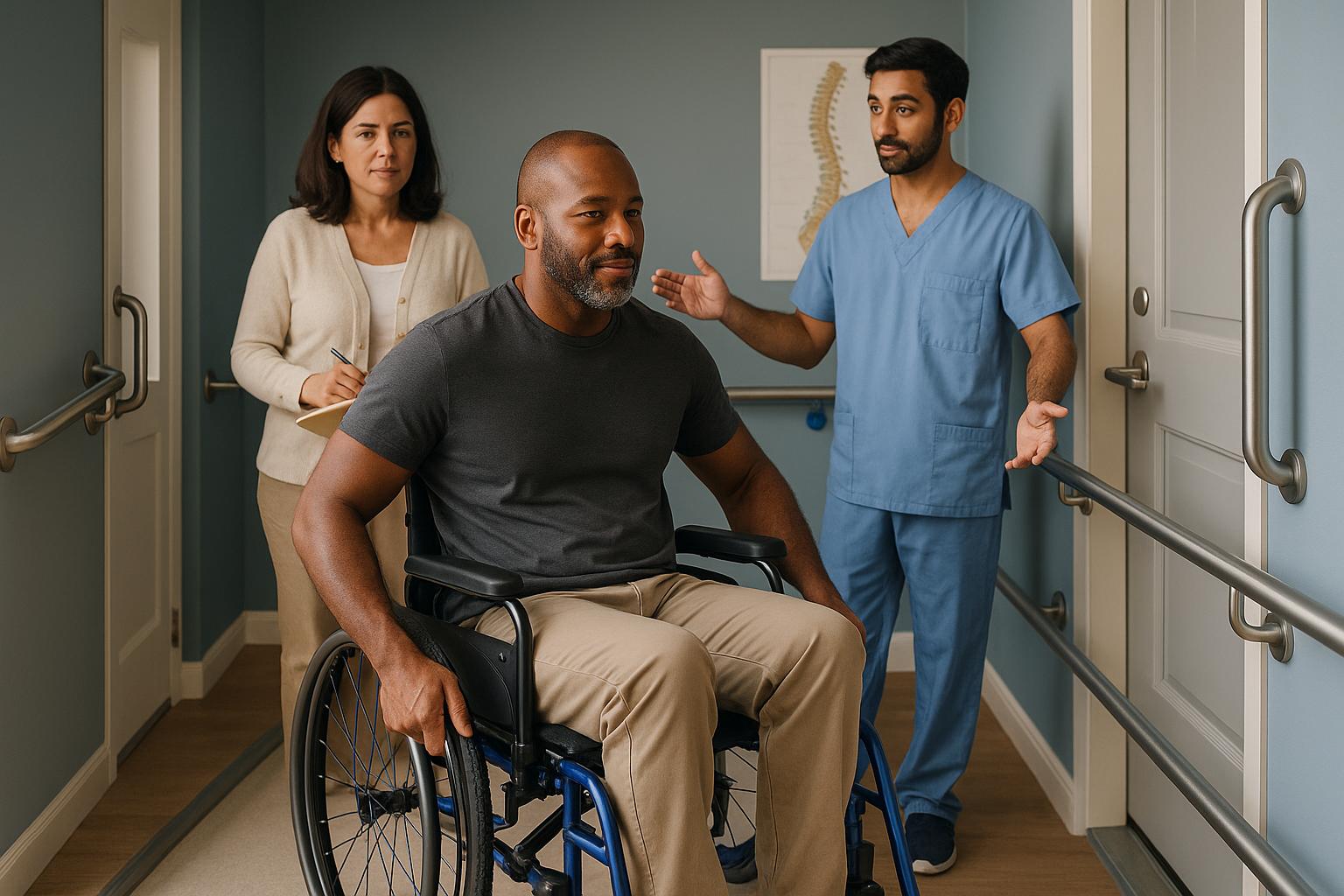
Physical environment modifications must be completed before discharge. Doorway widths require 32-36 inches for wheelchair access. Bathrooms need roll-in showers with grab bars, raised toilets, and accessible sinks. Bedrooms require hospital beds with pressure-relieving mattresses and sufficient space for wheelchair maneuvering. Kitchen modifications include lowered countertops and accessible storage for essential items.
Durable medical equipment represents a substantial investment and planning. Power wheelchairs, which can range from approximately $3,000 for basic models to $30,000 or more for complex rehabilitation configurations, typically require insurance pre-authorization depending on the insurer’s policies and the patient’s specific situation.
Pressure-relieving cushions, shower chairs, transfer boards, and patient lifts all require a prescription, fitting, and training. Early post-discharge complications often stem from inadequate equipment or improper use, contributing to the 14% thirty-day readmission rate.
Emergency response systems should be functional before patients leave the hospital. Medical alert devices allow patients to summon help during falls or medical crises. Backup power sources for ventilators and charging systems prevent equipment failure. Emergency contact lists and protocols ensure caregivers know when to seek immediate medical attention versus managing issues at home.
Caregiver Training and Support Systems
Caregiver competency directly affects patient safety and outcomes. Family members or hired caregivers must demonstrate proficiency in all assistance tasks before discharge. Multidisciplinary team coordination ensures caregivers receive structured training in medication management, skin inspection, bowel and bladder care assistance, and transfer techniques.
Recognizing medical emergencies requires specific education. Autonomic dysreflexia symptoms include sudden severe headache, profuse sweating above the level of injury, and dangerous blood pressure elevation. Immediate caregiver response should include sitting the patient upright, loosening tight clothing or abdominal binders, and checking for common triggers such as bladder distension, catheter obstruction, or bowel impaction. If blood pressure remains elevated or symptoms persist, caregivers should call emergency services immediately. Any individual with a spinal cord injury at T6 or above should have an autonomic dysreflexia emergency action plan developed with their physician. Respiratory infection signs, urinary tract infection symptoms, and pressure injury progression all require caregiver recognition and appropriate response.
Support system sustainability matters for long-term success. Single-caregiver households face burnout risk without respite care arrangements. Backup caregivers need equivalent training for illness coverage or emergencies. Community resources, support groups, and home health services provide essential supplemental support that prevents caregiver exhaustion and maintains care quality.
Managing Medical Complications at Home
Urinary complications represent the most common readmission cause. Urinary tract infections occur frequently and require prompt recognition and treatment. Patients and caregivers should monitor urine appearance, odor changes, increased spasticity, and fever. Catheter management includes sterile technique, supply management, and troubleshooting blockages. Kidney function monitoring through regular laboratory work prevents silent deterioration.
Respiratory management becomes critical for higher-level injuries. Patients with cervical injuries often require assisted cough techniques, breathing exercises, and secretion clearance. Ninety-day readmission patterns show that respiratory infections contribute significantly to the 36% readmission rate. Caregivers should recognize respiratory distress signs and maintain equipment like suction machines and nebulizers.
Spasticity management requires ongoing adjustment and monitoring. Muscle spasms can interfere with function, cause pain, and indicate underlying problems like infections or pressure injuries. Medication timing, stretching routines, and positioning strategies all require consistent implementation. Sudden spasticity increases often signal medical complications requiring physician evaluation rather than simple medication adjustment.
Functional Independence and Realistic Expectations
Recovery trajectories vary significantly based on injury level and completeness. Complete injuries show limited neurological recovery after the first year, though functional gains continue through adaptive strategies and equipment optimization. Incomplete injuries demonstrate more variable recovery patterns, with some patients achieving unexpected functional improvements over extended timeframes.
Evidence-based rehabilitation frameworks emphasize realistic goal-setting aligned with injury characteristics. Cervical injuries typically require power wheelchairs and extensive caregiver assistance. Thoracic injuries often allow manual wheelchair independence and self-care with adaptive equipment.
Lumbar injuries may permit walking with braces and assistive devices, though wheelchair use often proves more practical for community distances. For those interested in strategies for spinal cord injury transfer wheelchair to bed, additional training and adaptations are available to foster independence.
Functional independence extends beyond physical capabilities to include decision-making, care coordination, and advocacy. Patients need to manage medication schedules, coordinate medical appointments, communicate with insurance companies, and direct their own care. These cognitive and organizational demands require preparation during rehabilitation and ongoing support after discharge. Success in returning home after spinal injury depends on comprehensive preparation across medical, functional, environmental, and support domains.
My Approach to Spinal Cord Injury Rehabilitation
Drawing on my years treating individuals with spinal cord injuries — and informed by over two decades of combined medical and legal experience — I’ve found that successful home transitions depend on thorough preparation across medical, functional, and support domains.
With both medical and legal training, I assess discharge readiness by determining whether patients can independently manage life-sustaining tasks like bowel care, pressure injury prevention, and mobility. I’ve observed that patients demonstrating consistent independence in these functions before discharge experience fewer complications.
While some practitioners focus primarily on medical stability markers, my experience has shown that functional independence, caregiver competency, and home environment safety determine whether patients truly thrive outside supervised settings.
Based on treating hundreds of spinal cord injury cases, adequate discharge planning requires coordination between rehabilitation teams, families, and outpatient providers to prevent complications contributing to high readmission rates.
For attorneys and case managers, expert witness testimony and IMEs may be necessary to objectively document discharge readiness, review care standards, and validate the adequacy of transition planning for individuals returning home after spinal injury.
Conclusion
In summary, returning home after spinal injury requires a comprehensive assessment of functional independence, environmental safety, and caregiver support systems. Successful transitions depend on demonstrated competency in bowel and bladder management, pressure injury prevention, and mobility tasks before discharge.
Emerging neuromodulation interventions continue to expand recovery possibilities, though realistic expectations must align with injury characteristics and available support systems.
As a physician and attorney, I examine whether discharge plans provide adequate medical support and safety systems to prevent the complications contributing to high readmission rates. Long-term functional outcomes depend on thorough preparation across medical, environmental, and caregiver domains rather than medical stability alone.
Through Ciammaichella Consulting Services, PLLC, based in Reno, Nevada, I provide specialized medical-legal services across multiple states, including Texas and California, as well as other licensed jurisdictions through record review and consultation.
I am available to travel for expert testimony and in-person evaluations when appropriate. This flexibility allows individuals and legal teams with complex cases to access consistent, expert analysis regardless of location.
If you would like to learn more or need assistance with discharge planning and home transition after spinal cord injury, please request a consultation to discuss your case or schedule an expert evaluation.
This article is for educational purposes only and should not be used as a substitute for professional medical advice, diagnosis, or treatment. Always seek the advice of your physician or other qualified healthcare provider with any questions you may have regarding a medical condition or treatment options. Never disregard professional medical advice or delay in seeking it because of something you have read in this article.
Frequently Asked Questions
What functional abilities must patients demonstrate before discharge home after spinal cord injury?
Patients must independently perform bowel and bladder management, execute pressure relief techniques every 15-30 minutes, and complete basic mobility tasks, including wheelchair transfers and bed positioning.
They need to recognize early warning signs of complications like autonomic dysreflexia and demonstrate proper skin inspection using mirrors. Caregivers must show competency in all assistance tasks, emergency recognition, and equipment management before discharge approval.
How long does recovery typically take after returning home from spinal cord injury rehabilitation?
Recovery timelines vary significantly based on injury level and completeness. Complete injuries show limited neurological recovery after the first year, though functional gains continue through adaptive strategies.
Incomplete injuries demonstrate more variable patterns, with some patients achieving unexpected improvements over extended periods. Functional independence develops gradually as patients master equipment use, refine care routines, and build endurance for daily activities outside supervised settings.
What are the most common reasons for hospital readmission after spinal cord injury discharge?
Urinary tract infections, pressure injuries, and respiratory complications account for most readmissions within 90 days of discharge. These complications often result from inadequate caregiver training, equipment failures, or insufficient home modifications rather than medical instability.
Proper discharge planning with comprehensive caregiver education, appropriate durable medical equipment, and established outpatient follow-up significantly reduces readmission risk through early problem identification and intervention.
About the Author
Dr. Ellia Ciammaichella, DO, JD, is a triple board-certified physician specializing in Physical Medicine & Rehabilitation, Spinal Cord Injury Medicine, and Brain Injury Medicine. With dual degrees in medicine and law, she offers a rare, multidisciplinary perspective that bridges clinical care and medico-legal expertise. Dr. Ciammaichella helps individuals recover from spinal cord injuries, traumatic brain injuries, and strokes—supporting not just physical rehabilitation but also the emotional and cognitive challenges of life after neurological trauma. As a respected independent medical examiner (IME) and expert witness, she is known for thorough, ethical evaluations and clear, courtroom-ready testimony. Through her writing, she advocates for patient-centered care, disability equity, and informed decision-making in both medical and legal settings.
Medical Expert Services
Dr. Ciammaichella provides expert medical consulting for attorneys handling complex injury cases: