Unlocking Solutions for Spinal Cord Injury Bowel and Bladder Dysfunction: A Life-Changing Guide
By Ellia Ciammaichella, DO, JD
Triple Board-Certified in Physical Medicine & Rehabilitation, Spinal Cord Injury Medicine, and Brain Injury Medicine
Quick Insights
Spinal cord injury bowel and bladder dysfunction occurs when nerve damage disrupts normal control of elimination. The spinal cord carries signals between the brain and these organs. When injury interrupts these pathways, patients lose voluntary control and coordination. This creates neurogenic bowel and bladder conditions requiring specialized medical management. A significant majority of individuals with spinal cord injuries experience constipation, which can substantially affect their quality of life. Early medical evaluation helps establish individualized care plans and prevent serious complications.
Key Takeaways
- A significant majority of individuals with spinal cord injuries experience constipation, which can substantially affect their quality of life.
- Bowel care routines can trigger autonomic dysreflexia, a potentially life-threatening condition, in patients with high-level spinal cord injuries.
- Bladder dysfunction after spinal cord injury may necessitate catheterization to prevent complications such as kidney damage.
- Treatment combines medications, mechanical interventions, and sometimes surgical options when conservative approaches fail.
Why It Matters
These complications profoundly affect independence, social participation, and emotional well-being. Bowel care routines commonly consume substantial time daily, limiting work and relationships. Understanding available interventions helps patients regain control and dignity. Proper medical management reduces hospitalization risks and improves long-term outcomes. Expert evaluation clarifies the full scope of functional limitations and necessary lifetime care.
Introduction
As a board-certified physiatrist and attorney, I evaluate spinal cord injury bowel and bladder complications regularly in medico-legal contexts. My experience as an Ellia Ciammaichella, DO, JD, with advanced training in both the medical and legal fields, provides a comprehensive perspective when assessing these complex cases.
Neurogenic bowel and bladder dysfunction occurs when spinal cord damage disrupts the nerve pathways controlling elimination. Medical evidence demonstrates that integrated management approaches combining pharmacological, mechanical, and sometimes surgical interventions can significantly improve outcomes.
The spinal cord normally coordinates the voluntary control and reflexive function of these organs. When injury interrupts these signals, patients lose both voluntary control and normal coordination.
A significant majority of individuals with spinal cord injuries experience constipation, which can substantially affect their quality of life. This creates profound challenges affecting independence, dignity, and daily functioning. Bowel care routines commonly consume substantial time daily, with approximately 40% of individuals requiring more than 30 minutes to complete bowel care, and carry risks, including autonomic dysreflexia in high-level injuries.
My dual training allows me to evaluate how these complications translate into functional limitations and lifetime care requirements for legal analysis. For further insight into functional recovery after spinal cord injury, you can read more about how recovery milestones are evaluated after spinal cord injury.
Understanding Neurogenic Bowel and Bladder Dysfunction
Neurogenic bowel and bladder dysfunction represents one of the most challenging complications following spinal cord injury. Research demonstrates that a significant majority of individuals with spinal cord injuries develop neurogenic bowel dysfunction, with approximately 75% reporting problems with bowel dysfunction and over 50% experiencing moderate to severe impairment that profoundly affects their daily functioning and independence.
The term “neurogenic” indicates that nerve damage causes these problems. When the spinal cord sustains injury, the communication pathways between the brain and elimination organs become disrupted. This creates two distinct patterns of dysfunction depending on injury location.
Upper motor neuron injuries, occurring above the conus medullaris, typically result in reflexive bowel and bladder activity without voluntary control. Lower motor neuron injuries, affecting the conus or cauda equina, eliminate both reflexive and voluntary function. Both patterns create significant management challenges.
In my medico-legal evaluations, I frequently assess how these complications translate into functional limitations and lifetime care requirements. The distinction between injury patterns matters because it determines appropriate management strategies and predicts long-term outcomes.
For additional details about mid-thoracic spinal cord injuries like T6 and their clinical consequences, see the discussion on mid-thoracic spinal cord injuries like T6.
How Spinal Cord Injury Disrupts Normal Function
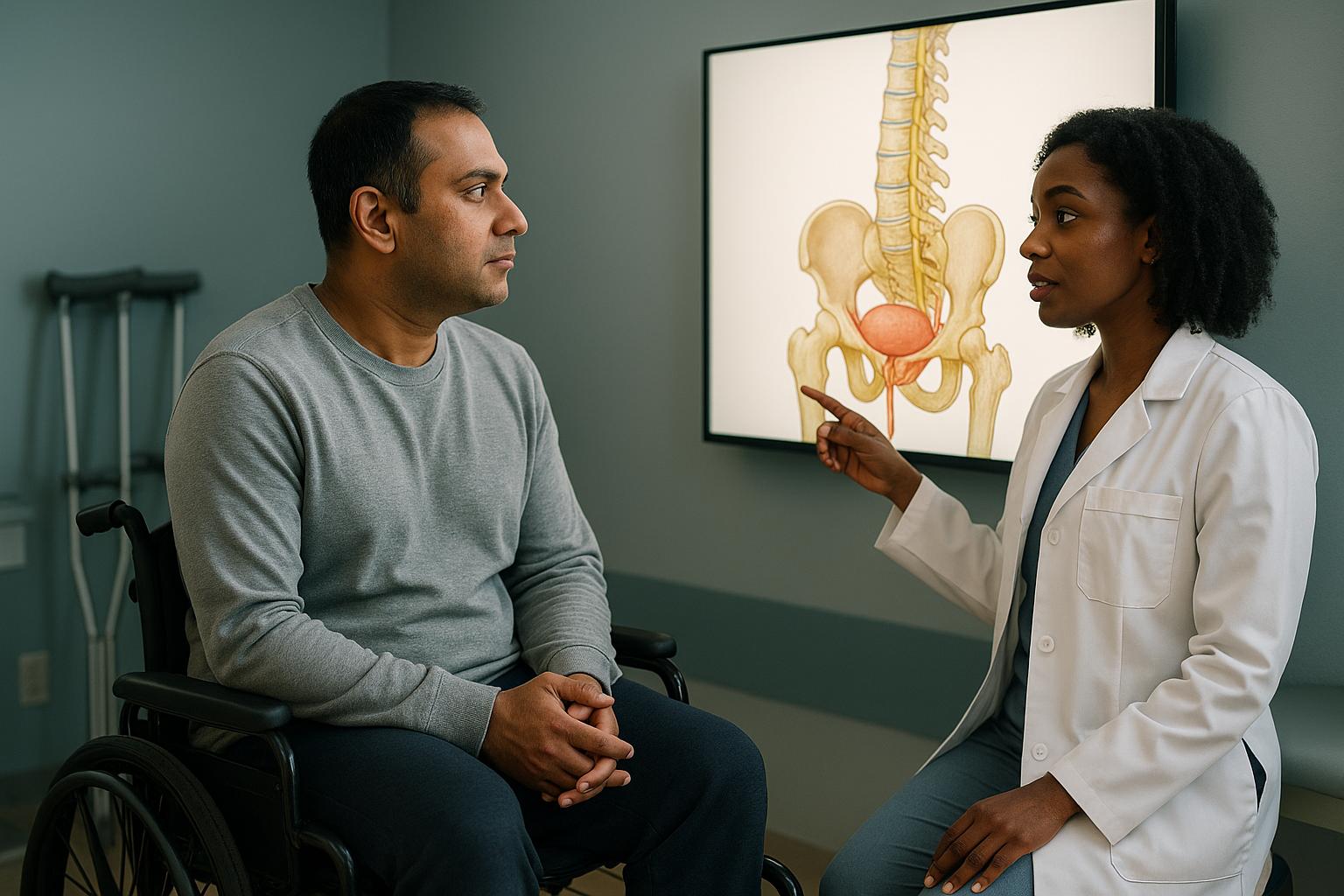
Normal bowel and bladder control requires intact neural pathways connecting the brain, spinal cord, and pelvic organs. The brain provides voluntary control while spinal reflexes coordinate the mechanical aspects of elimination.
Spinal cord injury interrupts these pathways at the injury level. Signals from the brain cannot reach the organs below the lesion. Reflexive coordination between sphincter muscles and organ contractions becomes uncoordinated or absent.
Urodynamic studies reveal significant changes in bladder capacity and pressure dynamics following injury. The bladder may become overactive with a small capacity or underactive with poor emptying. Both patterns increase infection risk and threaten kidney function.
Bowel dysfunction follows similar patterns. The colon loses coordinated peristalsis. Sphincter control becomes reflexive or absent. Transit time increases significantly, leading to constipation and impaction risks.
When I review medical records in these cases, I focus on the specific injury level and completeness. These factors determine the dysfunction pattern and guide appropriate interventions. The American Spinal Injury Association classification helps predict which functions remain and which require external management.
Medical Management Approaches and Treatment Options
Managing spinal cord injury bowel and bladder dysfunction requires individualized, multimodal approaches combining several intervention types.
Conservative management typically begins with scheduled toileting programs, dietary modifications, and adequate fluid intake. These foundational strategies establish predictable elimination patterns and reduce accident frequency.
Pharmacological interventions address specific dysfunction patterns. Stool softeners and stimulant laxatives facilitate bowel movements in upper motor neuron patterns. Anticholinergic medications reduce bladder overactivity and increase capacity. Botulinum toxin injections into the bladder wall can decrease detrusor overactivity when oral medications prove insufficient.
Mechanical interventions include digital stimulation for reflexive bowel programs and clean intermittent catheterization for bladder management. Evidence quality varies for different pharmacologic agents, with some interventions supported by stronger research than others.
Transanal irrigation systems provide more aggressive bowel management when simpler approaches fail. These devices flush the colon with water, promoting more complete evacuation and reducing accident frequency.
In clinical practice, I observe that successful management requires trial periods to identify effective combinations. What works for one patient may not work for another, even with similar injury patterns. This individualization process takes time and patience.
Legal professionals, healthcare providers, and patients seeking assistance with medico-legal challenges related to neurogenic dysfunction can benefit from our full range of medical-legal consulting services, including expert witness testimony and IMEs for spinal cord injury cases.
Quality of Life Impact and Long-Term Considerations
Neurogenic bowel and bladder dysfunction profoundly affects independence, dignity, and social participation. Research shows that approximately 40% of individuals require more than 30 minutes for bowel care routines, limiting employment and social activities.
Accidents occur despite careful management, creating anxiety about leaving home. Studies demonstrate that approximately 55% of patients report moderate to severe deterioration in quality of life due to bowel dysfunction, with many indicating that bowel and bladder complications affect their quality of life more than mobility limitations.
Bowel care can trigger autonomic dysreflexia in patients with injuries at T6 or above, creating dangerous blood pressure spikes. This complication requires careful monitoring and sometimes emergency intervention.
According to PubMed, bladder management failures lead to urinary tract infections, which represent one of the most common medical complications after spinal cord injury. Repeated infections can cause kidney damage over time, threatening long-term health.
Skin breakdown from incontinence creates additional complications. Pressure injuries develop more easily in the presence of moisture, compounding mobility-related skin risks.
When evaluating these cases for legal purposes, I consider both the time burden and complication risks. Lifetime care plans must account for supplies, medications, potential procedures, and management of complications. The costs extend far beyond basic medical care.
Evidence-Based Interventional Strategies
When conservative and pharmacological approaches prove insufficient, more invasive interventions may become necessary. These options require careful patient selection and thorough discussion of risks and benefits.
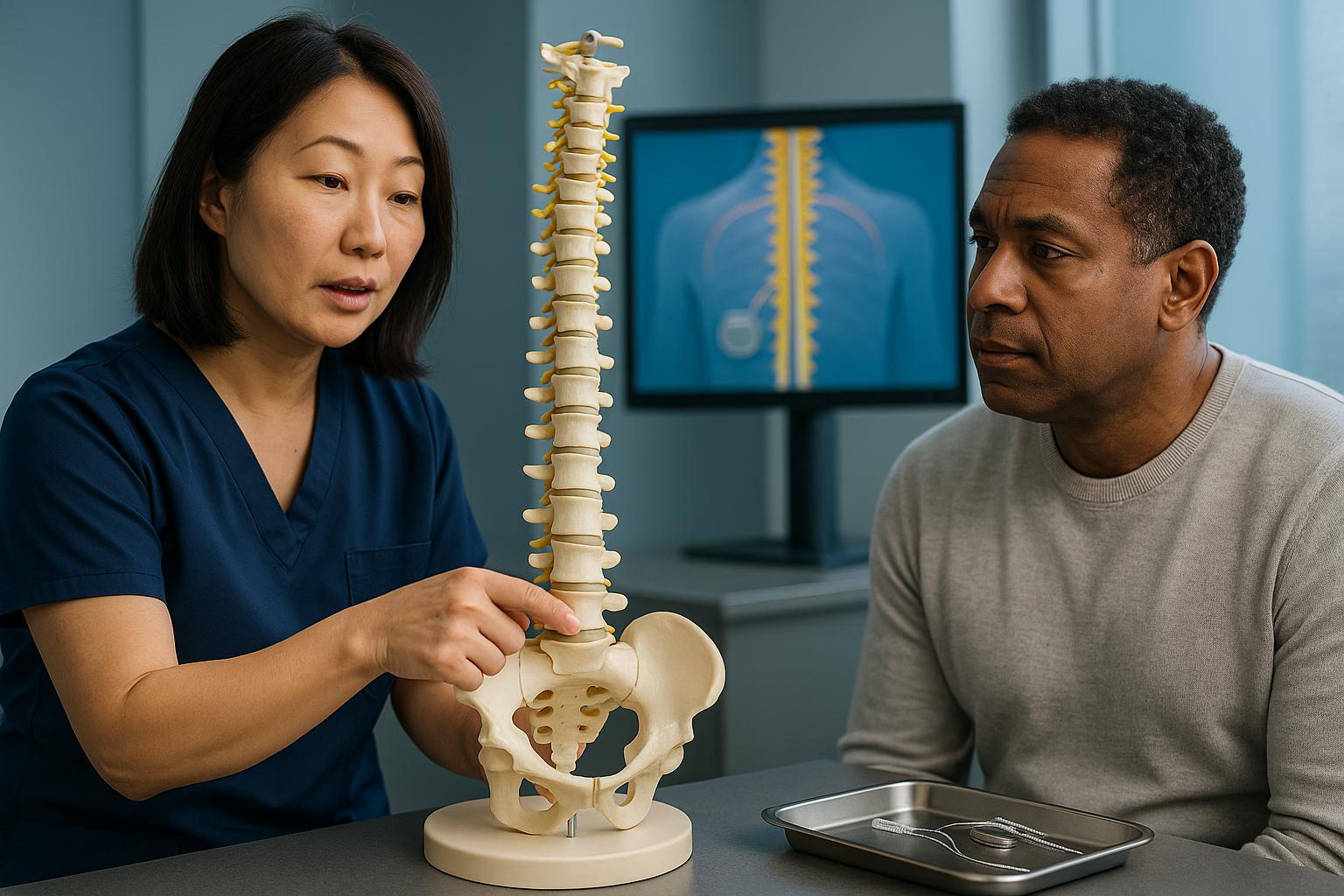
Sacral neuromodulation involves implanting a device that stimulates sacral nerves, potentially improving both bowel and bladder function. Non-invasive neuromodulation strategies show promise for restoring some degree of function, though research continues regarding optimal parameters and patient selection.
Surgical options include colostomy for bowel management and various bladder augmentation or diversion procedures. These irreversible interventions typically represent last-resort options when quality of life has deteriorated significantly despite maximal conservative management.
Intrathecal baclofen pumps, while primarily used for spasticity management, may indirectly improve bowel function by reducing abdominal muscle tone. The decision to pursue pump placement considers multiple factors beyond bowel management alone.
Botulinum toxin injections into the detrusor muscle can be repeated periodically, offering a less invasive option than surgical bladder procedures. Response duration varies, typically requiring repeat injections every six to twelve months.
In medico-legal contexts, I evaluate whether proposed interventions represent reasonable and necessary care based on the patient’s specific dysfunction pattern and response to previous treatments. The progression from conservative to invasive approaches should follow logical clinical reasoning, with documentation supporting each step.
My Approach to Medico-Legal Evaluation
Extensive experience in evaluating individuals with spinal cord and brain injuries has shown that bowel and bladder dysfunction often represents the most underestimated aspect of functional impairment in legal cases.
While mobility limitations are visible and easily documented, neurogenic dysfunction creates hidden but profound daily challenges. Attorneys sometimes struggle to convey the full impact of spending hours managing elimination, the constant anxiety about accidents, and the social isolation these complications create. From my unique perspective with both medical and legal training, I can translate these complex functional limitations into precise documentation that clearly establishes the scope of damages for both plaintiff and defense teams.
“Having worked with numerous spinal cord injury cases, I’ve found that accurate functional assessment of neurogenic bowel and bladder dysfunction is equally valuable for plaintiffs seeking fair compensation and defendants requiring objective analysis. My approach emphasizes comprehensive evaluation that provides all parties—physicians, attorneys, and litigants—with clear, accessible documentation of these life-altering impairments.”
— Dr. Ellia Ciammaichella, DO, JD
When reviewing medical records in these cases, I focus on the specific injury level, completeness, and how the dysfunction pattern affects independence. This detailed functional assessment, beyond basic diagnosis, is essential for accurately delineating damages in legal proceedings.
Conclusion
In summary, spinal cord injury bowel and bladder dysfunction represents one of the most challenging complications affecting independence and quality of life after injury. Evidence demonstrates that individualized management plans combining pharmacological interventions, mechanical strategies, and sometimes surgical options can significantly improve outcomes and reduce complications.
As a physician and attorney, I understand how these functional limitations translate into lifetime care requirements and damages in legal cases. When conservative approaches prove insufficient, progression to transanal irrigation systems or surgical interventions may become medically necessary.
Based in Reno, Nevada, Dr. Ellia Ciammaichella provides medical-legal services through Ciammaichella Consulting Services, PLLC, across licensed states such as Texas, California, and Colorado. I am available to travel for expert testimony and in-person evaluations when appropriate. This flexibility allows individuals and legal teams with complex cases to access consistent, expert analysis regardless of location.
I invite you to request a consultation today to discuss how a comprehensive medical-legal evaluation can clarify the full scope of neurogenic dysfunction and establish appropriate lifetime care requirements for your case.
This article is for educational purposes only and should not be used as a substitute for professional medical advice, diagnosis, or treatment. Always seek the advice of your physician or other qualified healthcare provider with any questions you may have regarding a medical condition or treatment options. Never disregard professional medical advice or delay in seeking it because of something you have read in this article.
Frequently Asked Questions
How does spinal cord injury level affect bowel and bladder dysfunction patterns?
Injury level determines whether patients develop upper motor neuron or lower motor neuron patterns. Upper motor neuron injuries above the conus medullaris typically result in reflexive bowel and bladder activity without voluntary control.
Lower motor neuron injuries affecting the conus or cauda equina eliminate both reflexive and voluntary function. This distinction guides treatment selection and predicts which management strategies will prove most effective for individual patients.
What medical complications arise from poorly managed neurogenic bowel and bladder dysfunction?
Urinary tract infections represent the most common complication, potentially causing kidney damage over time. Bowel impaction can trigger autonomic dysreflexia in patients with injuries at T6 or above, creating dangerous blood pressure spikes requiring emergency intervention.
Skin breakdown from incontinence compounds pressure injury risks. Chronic bladder overdistension threatens upper urinary tract function. These complications require ongoing medical monitoring and adjustment of management strategies to prevent serious long-term health consequences.
How do these complications affect legal damage calculations in spinal cord injury cases?
Neurogenic dysfunction creates substantial lifetime care costs, including supplies, medications, potential procedures, and complication management. Time burden for bowel care routines limits employment capacity and independence.
Quality of life impacts extend beyond mobility limitations, affecting social participation and emotional well-being. Accurate functional assessment requires understanding both the medical management requirements and the daily time investment these complications demand. This comprehensive evaluation establishes the full scope of damages for fair legal resolution.
About the Author
Dr. Ellia Ciammaichella, DO, JD, is a triple board-certified physician specializing in Physical Medicine & Rehabilitation, Spinal Cord Injury Medicine, and Brain Injury Medicine. With dual degrees in medicine and law, she offers a rare, multidisciplinary perspective that bridges clinical care and medico-legal expertise. Dr. Ciammaichella helps individuals recover from spinal cord injuries, traumatic brain injuries, and strokes—supporting not just physical rehabilitation but also the emotional and cognitive challenges of life after neurological trauma. As a respected independent medical examiner (IME) and expert witness, she is known for thorough, ethical evaluations and clear, courtroom-ready testimony. Through her writing, she advocates for patient-centered care, disability equity, and informed decision-making in both medical and legal settings.
Medical Expert Services
Dr. Ciammaichella provides expert medical consulting for attorneys handling complex injury cases: