Slap Fighting and Brain Injury: What Medical Experts Look For in Clinical Assessment and Legal Documentation
By Dr. Ellia Ciammaichella, DO, JD, Triple Board-Certified in Brain Injury Medicine, PM&R, SCI Medicine
Quick Insights
Slap fighting injuries can cause rapid head movement, leading to concussions or more severe brain injury. Studies suggest these events involve full-force, unprotected blows, raising serious immediate and long-term medical and legal concerns.
Key Takeaways
- Nearly 80% of slap fighting matches show clear signs of concussion.
- Injuries often continue unassessed, increasing risks of lasting brain problems.
- Lack of defensive moves makes these injuries riskier than those in other sports.
- Care guidelines apply across Nevada, Texas, and other licensed states.
Why It Matters
Understanding slap fighting injuries helps attorneys and clinicians address both acute neurological harm and broader legal responsibilities. Research indicates early recognition can protect participants’ health and support strong legal cases, especially when injury causes or long-term effects are misunderstood.
Introduction
As a triple board-certified physician and practicing attorney, I approach slap fighting injuries with a uniquely rigorous medical-legal perspective. Learn more about Dr. Ellia Ciammaichella’s dual DO/JD credentials and expertise.
Slap fighting injuries are traumatic brain injuries that occur when a participant receives a full-force, open-handed blow to the face without any form of defense. This mechanism of injury is distinct from other contact sports; it creates a risk environment where both immediate neurological harm and long-term cognitive deficits are common.
For attorneys and clinicians alike, understanding what a slap fighting injury is critical for accurate assessment, treatment, and legal evaluation.
Nearly 80% of slap fighting competitors exhibit visible signs of concussion, a prevalence rate that far exceeds what is seen in most regulated sports, as confirmed by recent clinical research from the University of Pittsburgh. This data underscores how essential it is to recognize, document, and differentiate these injuries for both patient recovery and legal proceedings.
Whether you are building a case, seeking expert consultation, or aiming to improve brain injury awareness in Reno or beyond, the complexities of slap fighting demand careful, evidence-based analysis.
What Is Slap Fighting and Why Is It Dangerous?
Slap fighting is a competitive event in which two participants take turns delivering full-force, open-handed blows to each other’s faces, with no opportunity for defense or evasion. This format is fundamentally distinct from other combat sports, as the rules prohibit blocking, ducking, or moving away from the strike.
The absence of defensive maneuvers is not a trivial distinction; it creates a scenario in which the recipient is exposed to maximal force transmission to the head and neck.
Defining Slap Fighting
Slap fighting injuries occur when a participant receives an unprotected, open-handed strike to the face, resulting in rapid acceleration and deceleration of the head. The lack of defensive options means that each blow is delivered to a stationary target, amplifying the risk of traumatic brain injury (TBI).
In my dual role as a physician and attorney, I have seen how this unique mechanism of injury complicates both clinical management and legal analysis. In particular, the absence of defense not only elevates injury risk but also makes the determination of causation and responsibility considerably more straightforward, which is very different from what I observe in other contact sports disputes.
Popularity and Growth in the US
The sport has rapidly gained popularity in the United States, fueled by televised events and social media. The sport’s rapid growth has raised concerns that existing safety protocols and regulatory oversight may not be sufficient to address emerging risks.
As a result, slap fighting poses notable public health concerns due to its potential for inducing traumatic brain injuries, with some experts highlighting the lack of protective measures and the defenseless nature of participants as significant risk factors.
The medical literature confirms that the absence of defense in slap fighting elevates the risk of brain injury far beyond what is observed in other contact sports.
- Nearly 80% of matches show visible signs of concussion.
- Injuries often go unassessed, increasing the risk of long-term harm.
- The lack of defense makes these injuries more severe than in other sports.
- Both immediate and delayed neurological effects are common.
Mechanism of Brain Injury in Slap Fighting
The mechanism of brain injury in slap fighting is characterized by the delivery of high-velocity, unprotected blows to the head, resulting in rapid rotational and linear acceleration of the brain within the skull. This biomechanical scenario is particularly insidious because the recipient is required to remain motionless, maximizing the force transmitted to neural tissue.
Open-Hand Blows: Forces and Impacts
Unlike gloved punches in boxing, the open-handed slap in this context generates a broad, yet forceful, impact that can cause both focal and diffuse brain injury. The force of a slap is sufficient to induce concussive symptoms, and repeated strikes compound the risk of cumulative neurological damage.
Research demonstrates that slap fighting causes unprotected, repeated head trauma, which is distinct from the injury patterns seen in other combat sports.
From my perspective as a triple board-certified physiatrist, I often see how the absence of protective padding and the nature of impacts in slap fighting may contribute to unique neurological risks not typically present in other sports.
Lack of Defensive Maneuvers
The prohibition of defensive actions in slap fighting is a critical factor that differentiates it from other sports. In my experience, this rule not only increases the likelihood of acute injury but also complicates the assessment of causation in legal cases. The inability to mitigate or avoid impact means that each participant is subjected to the full kinetic energy of every strike.
Studies have shown that this lack of defense significantly augments the risk of both immediate and long-term brain injury.
While some medical experts focus solely on diagnosis, my approach emphasizes comprehensive functional assessment that provides all parties—physicians, attorneys, and litigants—with clear, accessible documentation of impairments.
In my 15+ years of practice evaluating individuals with spinal cord and brain injuries, I’ve found that detailed functional assessment, beyond basic diagnosis, is essential for accurately delineating damages in legal proceedings.
The combination of unprotected blows and restrictions on defensive movements in slap fighting creates a risk environment that may be more hazardous than in many other organized sports. This mechanism is central to understanding why slap fighting injuries are so frequently severe and why they demand specialized clinical and legal scrutiny.
Recognizing Symptoms: Concussion Versus More Severe TBI
Recognizing the symptoms of slap fighting injuries requires a nuanced understanding of both concussion and more severe forms of traumatic brain injury. Observable signs of concussion are present in the vast majority of slap fighting matches, but more serious injuries can occur and may be overlooked without careful assessment.
Observable Concussion Signs
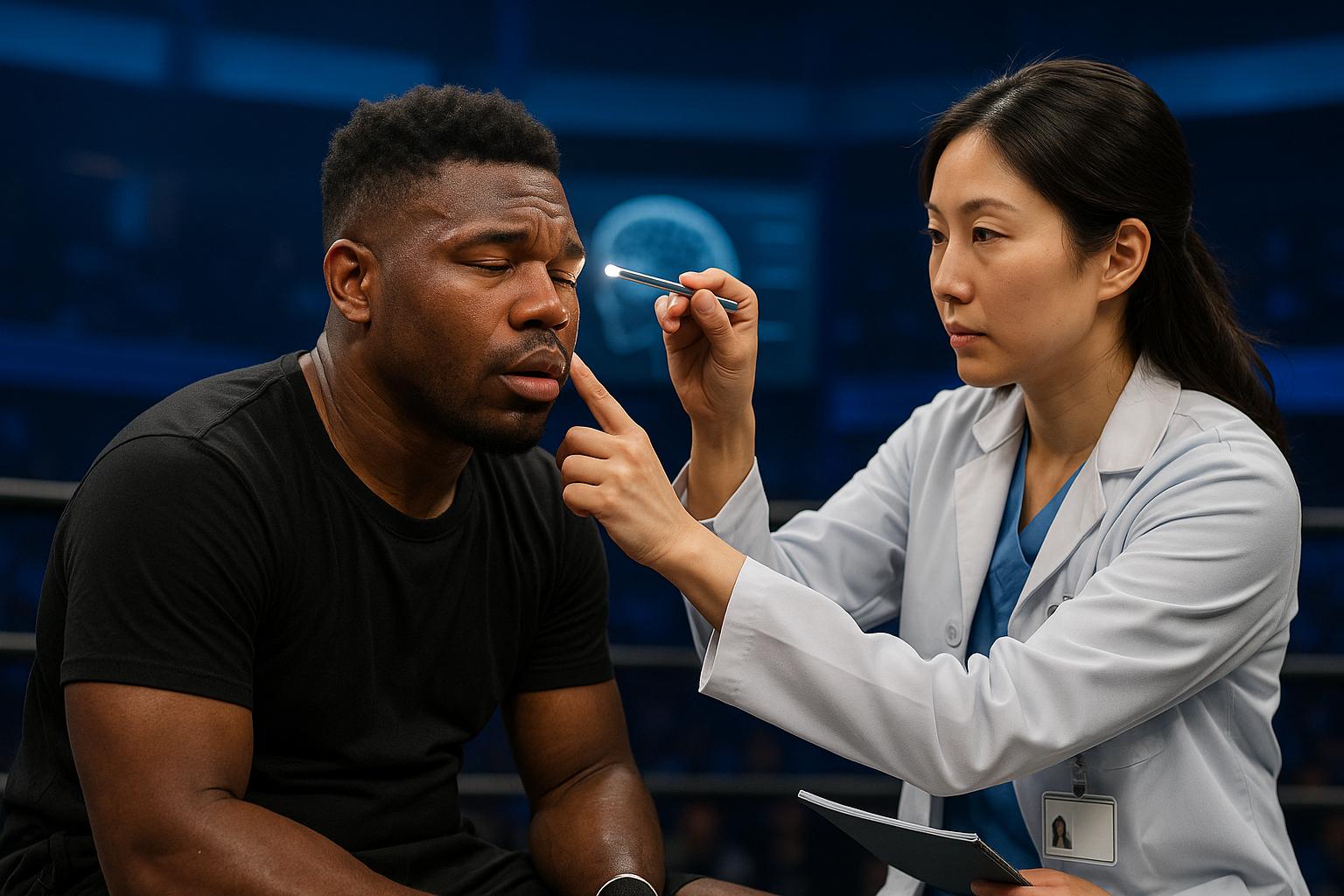
Clinical research has established that visible signs of concussion—such as confusion, vacant stare, delayed response, and poor motor coordination—are observed in nearly 80% of slap fighting matches.
In my practice, I have found that these symptoms often manifest immediately after a blow, but can also develop over minutes to hours. The most common signs include:
- Loss of awareness or responsiveness
- Difficulty standing or walking
- Slowed reaction time
Having worked with hundreds of spinal cord injury cases, I’ve found that accurate functional assessment and documentation are equally valuable for plaintiffs seeking fair compensation and defendants requiring objective analysis. This is particularly critical in slap fighting, where concussion prevalence is high but more severe injuries can go unrecognized.
Red Flags for Serious Injury
While most slap fighting injuries result in a concussion, more severe TBI—such as intracranial hemorrhage or skull fracture—can occur. Red flags that should prompt immediate medical evaluation include:
- Persistent loss of consciousness
- Repeated vomiting
- Worsening headache or confusion
A recent study found that 79.1% of fights showed signs of suspected concussion, with an average of 1.41 concussion signs per fight. These findings underscore the importance of early recognition and intervention.
When to Seek Medical Attention
Seek immediate evaluation by a physician if a participant experiences:
- Loss of consciousness
- Persistent confusion or inability to recognize people
- Repeated vomiting
How Medical Experts Assess and Diagnose Slap Fighting Injuries
Medical experts approach the assessment and diagnosis of slap fighting injuries with a structured protocol that prioritizes early identification of concussion and exclusion of more severe TBI.
As a triple board-certified physiatrist and legal consultant, I emphasize the importance of objective documentation and standardized assessment tools.
Assessment Protocols
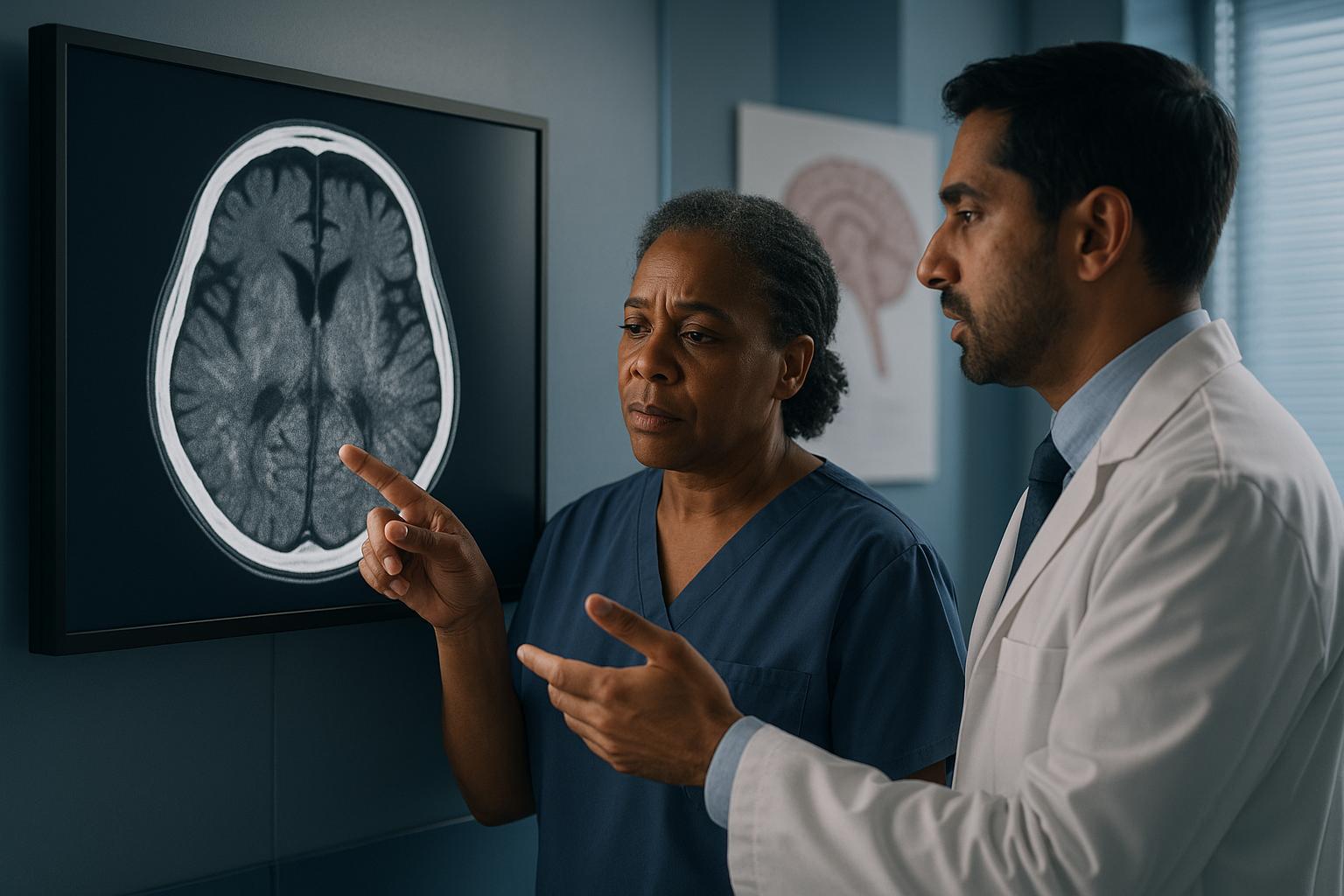
The initial evaluation includes a detailed neurological examination, cognitive testing, and, when indicated, neuroimaging. I utilize validated concussion assessment tools to document symptoms and track recovery. Research supports the use of early, systematic evaluation to improve outcomes and reduce the risk of long-term impairment.
Based on treating hundreds of patients with brain injuries, I have found that missing even subtle signs during the initial assessment can significantly impact both clinical recovery and legal case outcomes.
From my unique perspective with both medical and legal training, I can translate complex medical findings into precise documentation that clearly establishes functional limitations for both plaintiff and defense teams. This is especially critical in cases where functional impairments are subtle, delayed, or disputed.
Return-to-Play and Recovery
Return-to-play decisions must be based on complete symptom resolution and objective evidence of neurological recovery. In my experience, premature return to competition is a common source of litigation, as it can result in exacerbation of injury and delayed recovery. Current guidelines recommend a stepwise approach to rehabilitation, with close monitoring for recurrent symptoms.
The assessment process is not only critical for clinical care but also for legal documentation, as it provides the foundation for expert testimony and damage assessment in litigation.
Legal and Safety Considerations
The legal and safety landscape surrounding slap fighting injuries is evolving rapidly, with significant implications for both participants and event organizers. As someone who bridges the medical and legal domains, I am acutely aware of the challenges in establishing causation, documenting damages, and ensuring compliance with emerging regulations.
Current Regulations
Despite the high prevalence of observable concussion signs, more than half of slap fighting matches continue after evidence of injury, often without adequate medical assessment.
This practice raises substantial legal concerns regarding the duty of care and participant safety. The medical consensus calls for the development of new clinical protocols and regulatory safeguards to address these risks.
As a dual-degreed DO/JD, I am uniquely equipped to evaluate medical facts and explain their direct legal relevance in plain terms. I have provided expert analysis for both plaintiffs and defendants on issues stemming from ambiguous medical records and insufficient acute care protocols—gaps that are increasingly common in slap fighting injury litigation.
Expert Witness Role and Testimony
My role as an expert witness involves translating complex medical findings into clear, accessible language for courts and litigants. I provide objective analysis of injury mechanisms, causation, and prognosis, supporting both plaintiffs and defendants in damage delineation.
The unique combination of medical and legal expertise allows me to clarify the implications of inadequate assessment or delayed intervention, which are frequent sources of dispute in slap-fighting injury cases.
To learn more about comprehensive medical assessment and legal applications for slap fighting injuries, visit Dr. Ellia’s medical-legal services.
Legal professionals should consider that the absence of standardized safety protocols and the continuation of matches despite visible injury signs could potentially expose organizers to liability and complicate legal defenses.
Local and Multi-State TBI Consultations
My practice is based in Reno, but I provide telemedicine consultations and expert witness services across more than ten states, including Texas, California, and others. This multi-state licensure enables me to address the needs of clients and litigants in diverse jurisdictions, ensuring that both clinical and legal standards are met.
Reno and Regional Telemedicine
For individuals and attorneys in Reno, I offer comprehensive brain injury evaluations and second opinions via secure telemedicine platforms. This approach ensures timely access to specialized care and expert analysis, regardless of location.
Nationally recognized experts have emphasized the value of multi-state consultation, especially as slap fighting events expand into new regions.
Multi-State Expert Services
My licensure in multiple states allows me to serve as an expert consultant and witness in a wide range of legal cases involving slap-fighting injuries. I am committed to providing objective, evidence-based assessments that support fair outcomes for all parties.
In my practice, my team and I focus on ensuring that each evaluation meets the highest standards of both medical accuracy and legal clarity, regardless of where the incident occurred.
My Approach to Patient Care
Delivering care for slap fighting injuries requires a rigorous, evidence-based methodology that integrates both clinical and legal perspectives. As a triple board-certified physician and practicing attorney, I am committed to providing objective, research-driven assessments for every individual I evaluate.
In my practice, I prioritize comprehensive functional assessments that go beyond basic diagnosis. This approach ensures that both acute symptoms and subtle, long-term impairments are thoroughly documented, which is essential for accurate treatment planning and legal analysis. My dual qualifications in medicine and law enable me to translate complex neurological findings into clear, actionable information for physicians, attorneys, and litigants alike.
I maintain the highest standards of medical accuracy and legal clarity, drawing on over fifteen years of experience in brain and spinal cord injury medicine. My ongoing participation in professional development and multi-state expert witness work ensures that my practice remains at the forefront of evolving clinical protocols and regulatory requirements.
By focusing on both patient recovery and the legal implications of traumatic brain injury, I strive to advance brain injury awareness and support fair outcomes for all parties involved in slap-fighting injury cases.
Slap Fighting Injury Consultations in Reno
As a physician based in Reno, I recognize the unique challenges that slap fighting injuries present to my local community. The rapid growth of this sport in Nevada has increased the demand for specialized assessment and expert consultation, particularly given the region’s active combat sports scene and evolving regulatory landscape.
Reno’s diverse population and proximity to major sporting events mean that both acute and long-term brain injuries require prompt, sophisticated evaluation. My practice serves as a hub for both medical assessment and legal consulting, offering in-person and telemedicine services to local physicians, attorneys, claims adjusters, and litigants.
This dual focus ensures that individuals in Reno have access to the highest standard of care and expert witness analysis, whether for treatment or litigation support.
My licensure across multiple states—including Texas, California, and others—enables me to provide telemedicine consultations and expert testimony beyond Reno, but my primary commitment remains to the Northern Nevada community. I am dedicated to supporting brain injury awareness and delivering objective, evidence-based guidance for all parties involved in slap-fighting injury cases.
If you are in Reno or the surrounding region and require a comprehensive evaluation or legal consultation regarding slap fighting injuries, I invite you to schedule a consultation to discuss your case and receive guidance tailored to your needs.
Conclusion
Slap fighting injuries are a distinct form of traumatic brain injury, resulting from unprotected, forceful blows to the head that frequently cause both immediate and long-term neurological harm. In summary, these injuries demand rigorous medical assessment and precise legal documentation, as nearly 80% of participants exhibit signs of concussion and over half of matches continue despite visible injury.
My dual qualifications as a triple board-certified physician and attorney enable me to provide comprehensive evaluations that address both clinical recovery and legal causation, ensuring that litigants and clinicians receive clear, actionable findings.
Based in Reno, I provide specialized services across multiple states, including Texas, California, and Colorado, through both telemedicine and in-person consultations. I am willing to travel as an expert witness, offering flexibility that benefits patients and legal professionals managing complex cases.
I invite you to schedule a consultation TODAY to optimize your medical recovery and secure the legal documentation necessary for your case. Prompt action can make a critical difference in both health outcomes and legal protection, offering you confidence and peace of mind during challenging times.
This article is for educational purposes only and should not be used as a substitute for professional medical or legal advice, diagnosis, or treatment. Always seek the advice of your physician or qualified legal counsel with any questions regarding a medical condition, injury, or legal matter. Never disregard professional advice or delay seeking it because of something you have read in this article.
Frequently Asked Questions
What are the most common slap fighting injuries, and how are they identified?
The most common slap fighting injuries are concussions and other traumatic brain injuries, often identified by symptoms such as confusion, loss of awareness, and poor motor coordination. Nearly 80% of participants show visible signs of concussion. Early recognition and thorough documentation are essential for both effective treatment and legal evaluation.
How can I access your expertise in slap-fighting injuries if I am not located in Reno?
You can access my specialized assessment and consultation services through secure telemedicine platforms, regardless of your location. I am licensed in multiple states and also travel for in-person evaluations or expert witness testimony. This flexibility ensures that individuals and legal professionals nationwide receive high-level, evidence-based guidance for complex cases.
How does your combined medical and legal expertise benefit those involved in slap-fighting injury cases?
My dual background as a physician and attorney allows me to deliver objective, detailed assessments that clarify both the medical impact and legal causation of injuries. This approach supports fair damage delineation for plaintiffs and defendants, ensuring that all parties have clear, accessible documentation to inform both clinical care and legal proceedings.
About the Author
Dr. Ellia Ciammaichella, DO, JD, is a triple board-certified physician specializing in Physical Medicine & Rehabilitation, Spinal Cord Injury Medicine, and Brain Injury Medicine. With dual degrees in medicine and law, she offers a rare, multidisciplinary perspective that bridges clinical care and medico-legal expertise. Dr. Ciammaichella helps individuals recover from spinal cord injuries, traumatic brain injuries, and strokes—supporting not just physical rehabilitation but also the emotional and cognitive challenges of life after neurological trauma. As a respected independent medical examiner (IME) and expert witness, she is known for thorough, ethical evaluations and clear, courtroom-ready testimony. Through her writing, she advocates for patient-centered care, disability equity, and informed decision-making in both medical and legal settings.