What is Spinal Cord Injury at T6? A Physician-Led, Evidence-Based Guide
By Dr. Ellia Ciammaichella, DO, JD — Triple Board-Certified in Physical Medicine & Rehabilitation, Spinal Cord Injury Medicine, and Brain Injury Medicine
Quick Insights
A spinal cord injury at T6 means damage to the spine’s sixth thoracic segment, often caused by trauma or impact. This results in paralysis and loss of sensation below the mid-chest. Immediate care is critical; long-term challenges may include mobility limits, organ function issues, and sometimes legal questions about cause or compensation. Evidence-based management is essential for best outcomes, according to current clinical guidelines.
Key Takeaways
- T6 injuries typically cause loss of movement and sensation from the mid-chest downward, impacting legs and lower body organs.
- Bladder, bowel, and blood pressure control can be disrupted after T6 injuries due to nervous system changes.
- Autonomic dysreflexia (dangerous blood pressure spikes) is a risk with injuries at T6 and above and requires ongoing vigilance.
- Most T6 spinal cord injuries result from accidents, falls, or violence, but medical evaluation also considers potential legal or workplace factors.
Why It Matters
Understanding a spinal cord injury at T6 empowers you to make informed decisions, regain a sense of control, and access expert guidance for both recovery and legal protection. Addressing both medical and legal aspects early supports your long-term independence, safety, and peace of mind after a life-changing diagnosis. If you’d like to learn more about my unique qualifications as both a Doctor of Osteopathic Medicine and Juris Doctor, visit my professional bio page.
Introduction
As a physician who is also a Juris Doctor, I approach every case of spinal cord injury at T6 with both clinical precision and a nuanced understanding of legal impacts.
A T6 spinal cord injury typically results in loss of movement and sensation below the chest, disrupts organ function, and significantly impacts daily life. When the cause of the injury necessitates formal assessment or documentation, it may involve legal considerations. The central question—what is a spinal cord injury at T6—requires clarity from both medical and legal perspectives, so every term and implication will be explained with accuracy and accessible language.
My dual training allows me to work collaboratively with physicians and litigants, ensuring every evaluation addresses real-world function and supports fair, evidence-based damage assessments. According to current national guidelines, comprehensive early intervention is directly linked to optimal outcomes in individuals with T6 injuries.
If you or a loved one faces this diagnosis in Reno or anywhere nationwide, the guidance here can inform every decision ahead.
What is a Spinal Cord Injury at T6?
A spinal cord injury at T6 is defined as damage to the sixth thoracic segment of the spinal cord, which disrupts the transmission of signals between the brain and the body below the mid-chest. This level of injury typically results in paraplegia (loss of movement and sensation in the lower body), affecting both motor and sensory functions.
The T6 vertebra is located in the mid-back region. An injury at this level can result in paraplegia, loss of sensation below the chest, and impairments in bladder and bowel control, significantly affecting daily life.
T6 Anatomy Overview
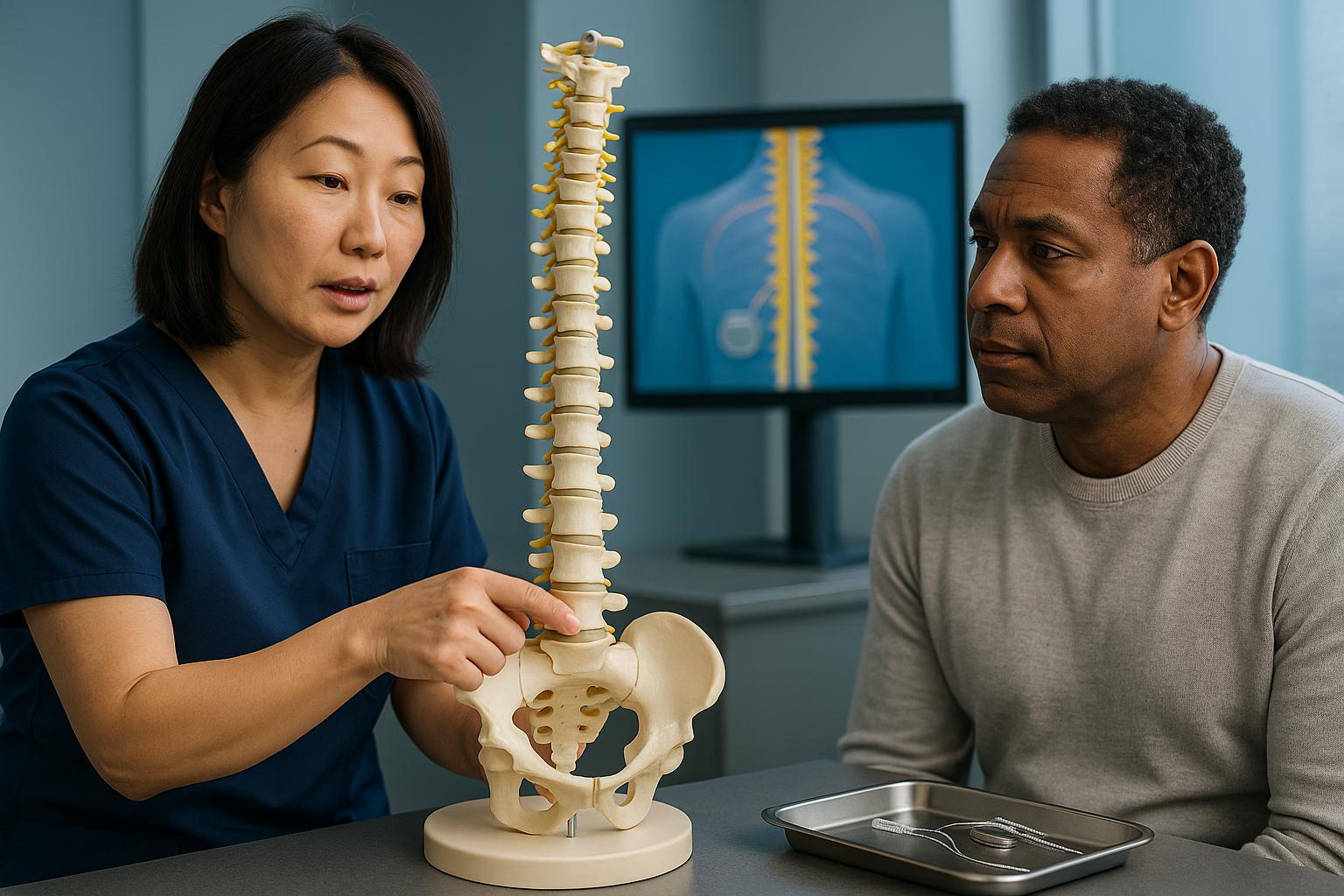
The T6 segment sits in the middle of the thoracic spine, surrounded by the ribcage. It is responsible for transmitting nerve signals to and from the chest, abdomen, and lower body. When this area is injured, the body loses voluntary control and sensation below the injury site. In my clinical practice, I have seen that understanding the precise level of injury is crucial for predicting functional outcomes and planning rehabilitation.
From my perspective as a triple board-certified physiatrist, being able to pinpoint the exact injury level allows me to offer tailored guidance for both medical management and potential legal assessment. This level of detail can be central in legal cases where a clear correlation between anatomical level and resulting impairments is needed.
Common Causes of Injury
Most T6 spinal cord injuries result from traumatic events such as motor vehicle accidents, falls, or direct impacts to the spine. Less commonly, non-traumatic causes like tumors or infections may be involved. According to a recent review, trauma remains the leading cause of T6 injuries worldwide, with falls and vehicular accidents being the most frequent mechanisms of injury.
In my dual role as a physician and JD, I am frequently called upon to clarify the origin and mechanism of injury for both clinicians and litigants. I have found that fully understanding not just how, but why, a T6 injury occurred plays a critical role in equitable outcomes—whether for treatment or compensation.
Immediate Symptoms and Impact
A spinal cord injury at T6 often presents suddenly, with immediate and dramatic changes in function. The most common symptoms include:
- Loss of movement and sensation below the mid-chest
- Weakness or paralysis in the legs
- Loss of bladder and bowel control
- Sudden changes in blood pressure or heart rate
Typical Emergency Presentation
Patients with T6 injuries frequently arrive in the emergency setting with paralysis of the lower limbs, numbness, and sometimes unstable blood pressure. In my experience, rapid assessment and stabilization are essential to prevent further neurological damage. Early imaging and neurological exams are critical for diagnosis and management.
Having evaluated hundreds of cases, I have learned that the subtle differences in how symptoms unfold can have profound downstream effects on both medical intervention and legal documentation. Immediate clinical decisions—such as respiratory monitoring or blood pressure stabilization—are often decisive for a person’s long-term independence.
When to Seek Medical Attention
If you experience sudden paralysis, loss of sensation below the chest, or loss of bladder/bowel control after trauma, seek immediate evaluation by a physician. Prompt intervention can be life-saving.
Effects on Movement, Sensation, and Daily Life
A spinal cord injury at T6 leads to significant changes in mobility and sensation. Most individuals lose voluntary movement and feeling below the mid-chest, resulting in paraplegia. This affects not only the legs but also the abdominal muscles, which are important for balance and posture.
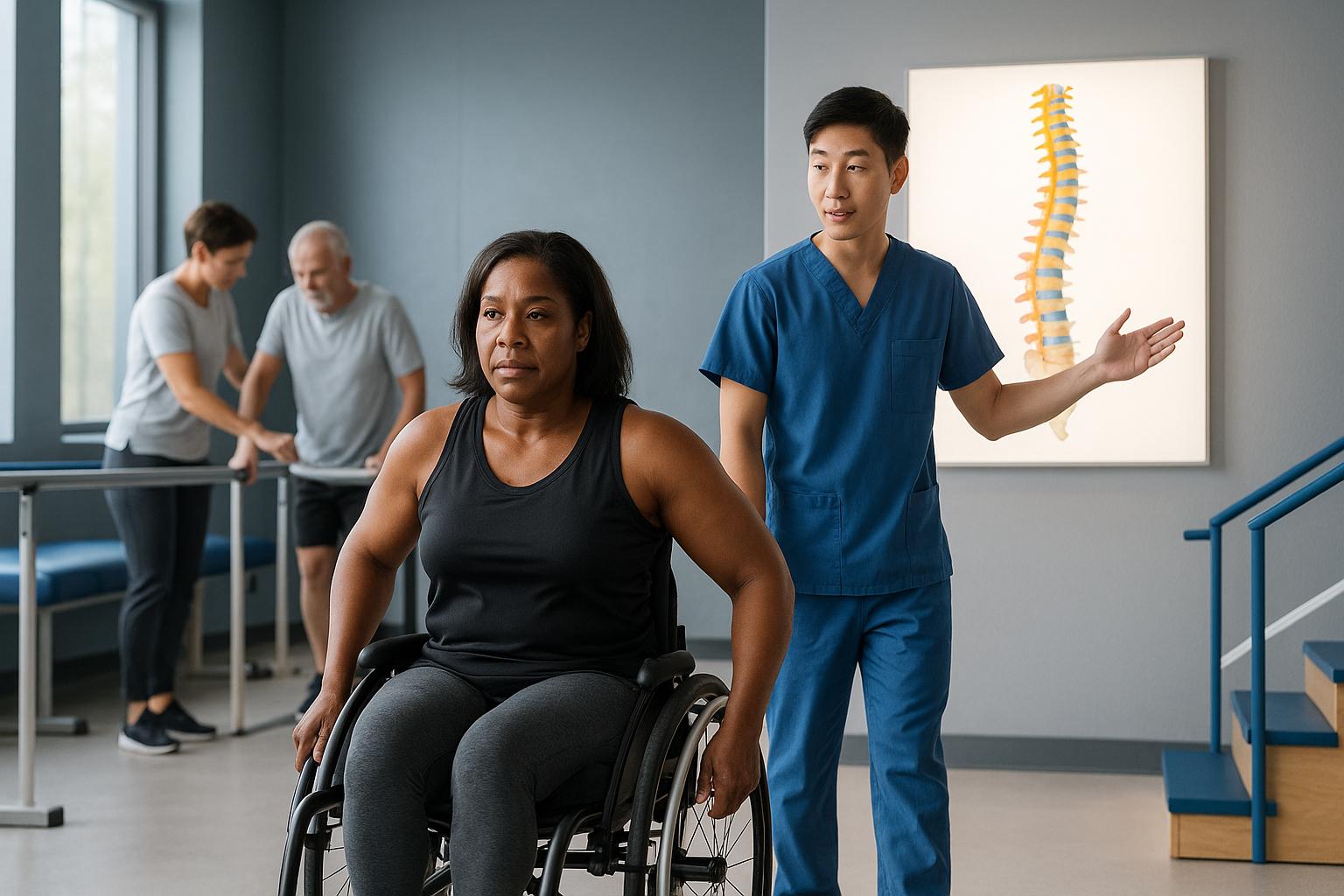
Mobility is often limited to wheelchair use, and transfers or standing may require assistive devices. Sensory loss can increase the risk of pressure injuries and complicate daily activities. In my practice, I have observed that early education about skin care and positioning is vital to prevent complications.
Based on treating hundreds of individuals with T6 injuries, I know that the way loss of function is documented impacts not just medical care, but also the assessment of damages in legal settings. I always ensure both the challenges and retained abilities are described with clarity so that plaintiffs and defendants have an accurate picture of the day-to-day impact.
The loss of sensation also means that injuries or infections below the level of injury may go unnoticed, requiring regular monitoring. According to expert consensus, individuals with T6 injuries must adapt their daily routines to maintain independence and safety.
Bladder, Bowel, and Autonomic Changes After T6 SCI
Injury at T6 disrupts the autonomic nervous system, which controls involuntary functions such as blood pressure, heart rate, bladder, and bowel activity. One of the most serious complications is autonomic dysreflexia (sudden, dangerous spikes in blood pressure), which can occur in injuries at T6 and above.
Bladder and bowel function are typically impaired, leading to incontinence or retention. Management often involves scheduled catheterization and bowel programs. In my dual role as a physician and legal consultant, I emphasize the importance of documenting these changes for both medical management and potential legal claims.
Clinical observation has shown me just how frequently mismanaged autonomic problems go overlooked in both acute care and legal assessment. In my 15+ years of practice evaluating individuals with spinal cord and brain injuries, I’ve found that detailed functional assessment, beyond basic diagnosis, is essential for accurately delineating damages in legal proceedings.
Autonomic instability can also cause temperature regulation problems and increase the risk of life-threatening complications. Recent research highlights the need for careful blood pressure management and the use of specific medications for hemodynamic stability.
Comparison: T3 vs T6 vs T7 vs T10 Injuries
Understanding the differences between thoracic spinal cord injury levels is essential for prognosis and planning. The table below summarizes key distinctions:
| Level | Area Affected | Typical Mobility | Autonomic Risk | Bladder/Bowel Impact |
|---|---|---|---|---|
| T3 | Upper chest | Severe loss | High | Yes |
| T6 | Mid-chest | Paraplegia | High | Yes |
| T7 | Below chest | Paraplegia | Moderate | Yes |
| T10 | Lower abdomen | Paraplegia | Lower | Yes |
In my experience, even small differences in injury level can lead to significant changes in function and risk. For example, injuries above T6 are more likely to cause autonomic dysreflexia, while those at T10 may preserve more trunk control.
While some medical experts focus solely on diagnosis, my approach emphasizes comprehensive functional assessment that provides all parties—physicians, attorneys, and litigants—with clear, accessible documentation of impairments. This perspective is especially vital in court settings, where the claimant’s future care needs hinge on a precise level-by-level comparison.
When it comes to addressing both clinical and legal facets of spinal cord injury at t6, my practice offers comprehensive medical-legal services for assessment and expert testimony, ensuring functional evaluation is accurate and applicable for courtroom or claims needs.
Living with T6 Spinal Cord Injury: Prognosis and Quality of Life
The prognosis after a T6 spinal cord injury depends on the severity of the injury and the timeliness of intervention. Many individuals can achieve a high degree of independence with the right rehabilitation and support. Quality of life is influenced by access to adaptive equipment, social support, and ongoing medical care.
Return to independence often involves learning new skills for self-care, mobility, and community participation. In my practice, I have seen that peer support and specialized rehabilitation programs can make a substantial difference in long-term outcomes.
According to Mayo Clinic guidance, new technologies and early intensive therapy continue to improve recovery potential, which I have witnessed firsthand in multi-state telemedicine follow-upsaccording to Mayo Clinic guidance. When consulting for legal cases, I always clarify that while two individuals with T6 injuries might share similar anatomical deficits, their lived experiences and degrees of adaptation can vary widely.
Recent evidence suggests that advances in rehabilitation and technology are improving both function and life satisfaction for people with T6 injuries.
Treatment Options and Rehabilitation
Acute management of T6 spinal cord injury focuses on stabilizing the spine, preventing further damage, and addressing life-threatening complications. Early surgical intervention may be necessary in some cases. Respiratory support, blood pressure management, and prevention of secondary complications are critical in the initial phase.
Physical therapy and occupational therapy are central to recovery, aiming to maximize remaining function and promote independence. I have found that early engagement with rehabilitation specialists leads to better outcomes and helps patients adapt to new challenges. The use of abdominal binders and respiratory exercises can improve breathing capacity.
Having worked as a consulting expert in both medical and legal cases across multiple states, I prioritize thorough documentation of both acute and ongoing rehabilitation needs. This approach not only supports personal recovery but also ensures fair and objective assessment of future medical needs in the legal context.
Emerging technologies, such as neuromodulation and robotic exoskeletons, offer new hope for improved mobility and function. Ongoing research continues to expand the range of available treatments.
Multi-State Telemedicine & Expert Witness Services
Access to specialized care is essential for optimal recovery after a T6 spinal cord injury. Through telemedicine, I provide consultations and follow-up care to individuals across multiple states, ensuring continuity and expertise regardless of location.
In addition to clinical care, I offer expert witness and independent medical evaluation (IME) services for litigants and legal professionals. From my unique perspective with both medical and legal training, I can translate complex medical findings into precise documentation that clearly establishes functional limitations for both plaintiff and defense teams.
This unique perspective supports fair and thorough damage assessments in legal cases, benefiting both plaintiffs and defendants.
My Approach to Patient Care
Delivering care for individuals with spinal cord injury at T6 requires a precise blend of clinical expertise and legal acumen. My practice is grounded in the belief that every patient deserves a thorough, evidence-based evaluation that addresses both immediate medical needs and the broader implications for long-term function and legal standing.
As a triple board-certified physician in Physical Medicine & Rehabilitation, Spinal Cord Injury Medicine, and Brain Injury Medicine, I have dedicated my career to advancing the standards of care for those facing life-altering injuries. My dual qualification as a Doctor of Osteopathic Medicine and Juris Doctor allows me to bridge the gap between complex medical realities and the demands of legal documentation, ensuring that each assessment is both clinically sound and legally robust.
In my practice, I emphasize transparent communication, individualized rehabilitation planning, and meticulous documentation. This approach not only supports optimal recovery but also provides clarity for litigants, attorneys, and claims professionals navigating the aftermath of spinal cord injury at T6.
By integrating the latest research, national guidelines, and my own extensive experience, I strive to empower patients and legal professionals alike with actionable knowledge and trustworthy guidance.
Spinal Cord Injury at T6: Local Expertise in Reno
As a physician based in Reno, I recognize the unique needs of individuals and litigants navigating spinal cord injury at T6 within this region. The local healthcare landscape in Reno offers access to specialized rehabilitation resources, adaptive equipment providers, and community support networks that are essential for optimal recovery and independence.
Reno’s climate and geography can influence certain aspects of daily life after a spinal cord injury, such as accessibility, transportation, and the need for temperature regulation strategies. My practice is equipped to address these local factors, ensuring that each patient receives recommendations tailored to the realities of living in northern Nevada.
In addition to serving the Reno community, I am licensed to provide telemedicine consultations and expert witness services across multiple states, including Texas, California, and beyond. This multi-state reach allows me to deliver consistent, high-level care and legal consulting to patients, attorneys, and claims professionals regardless of location.
If you are in Reno or the surrounding area and require specialized assessment, rehabilitation planning, or expert legal analysis for a spinal cord injury at T6, I invite you to discuss your case by scheduling a consultation for a comprehensive, evidence-based evaluation.
Conclusion
A spinal cord injury at T6 involves damage to the sixth thoracic segment, resulting in significant loss of movement, sensation, and autonomic function below the mid-chest. In summary, timely medical intervention and comprehensive documentation are essential for optimizing both recovery and legal outcomes.
My dual qualifications as a triple board-certified physician and Juris Doctor enable me to address the complex intersection of clinical care and legal assessment, ensuring that every aspect of your case is managed with precision and clarity. Proper medical management and thorough documentation not only support your health but also strengthen your legal position in any related proceedings.
Based in Reno, I provide specialized services across multiple states including Texas, California, and Colorado, and others through both telemedicine and in-person consultations. I am willing to travel as an expert witness, offering flexibility that benefits individuals and litigants with complex cases requiring nuanced, multi-jurisdictional expertise.
I invite you to schedule a consultation TODAY to secure the best possible medical recovery and ensure your legal documentation is thorough and defensible. Prompt action can make a critical difference in both your health and your legal peace of mind during this challenging time.
This article is for educational purposes only and should not be used as a substitute for professional medical or legal advice, diagnosis, or treatment. Always seek the advice of your physician or qualified legal counsel with any questions you may have regarding a medical condition, treatment options, or legal claims. Never disregard professional advice or delay in seeking it because of something you have read in this article.
Frequently Asked Questions
What is a spinal cord injury at T6 and how does it affect daily life?
A spinal cord injury at T6 causes paralysis and loss of sensation from the mid-chest downward, impacting mobility, bladder and bowel control, and blood pressure regulation. Most individuals require a wheelchair and must adapt daily routines to maintain independence and prevent complications. Early intervention and rehabilitation are crucial for maximizing function and quality of life.
How can I access your spinal cord injury expertise regardless of my location?
You can access my expertise through telemedicine consultations and, when needed, in-person evaluations. I am licensed in multiple states, including Texas, California, and Colorado, and I am willing to travel for complex cases or expert witness services. This multi-state approach ensures you receive specialized care and objective analysis wherever you reside.
How does your combined medical and legal expertise benefit spinal cord injury patients and litigants?
My dual training as a physician and Juris Doctor allows me to provide both evidence-based medical care and precise legal documentation. This ensures that your medical needs are addressed while your functional limitations and damages are clearly explained for legal proceedings. This comprehensive approach supports fair, defensible outcomes for both plaintiffs and defendants.
About the Author
Dr. Ellia Ciammaichella, DO, JD, is a triple board-certified physician specializing in Physical Medicine & Rehabilitation, Spinal Cord Injury Medicine, and Brain Injury Medicine. With dual degrees in medicine and law, she offers a rare, multidisciplinary perspective that bridges clinical care and medico-legal expertise. Dr. Ciammaichella helps individuals recover from spinal cord injuries, traumatic brain injuries, and strokes—supporting not just physical rehabilitation but also the emotional and cognitive challenges of life after neurological trauma. As a respected independent medical examiner (IME) and expert witness, she is known for thorough, ethical evaluations and clear, courtroom-ready testimony. Through her writing, she advocates for patient-centered care, disability equity, and informed decision-making in both medical and legal settings.
Medical Expert Services
Dr. Ciammaichella provides expert medical consulting for attorneys handling complex injury cases: