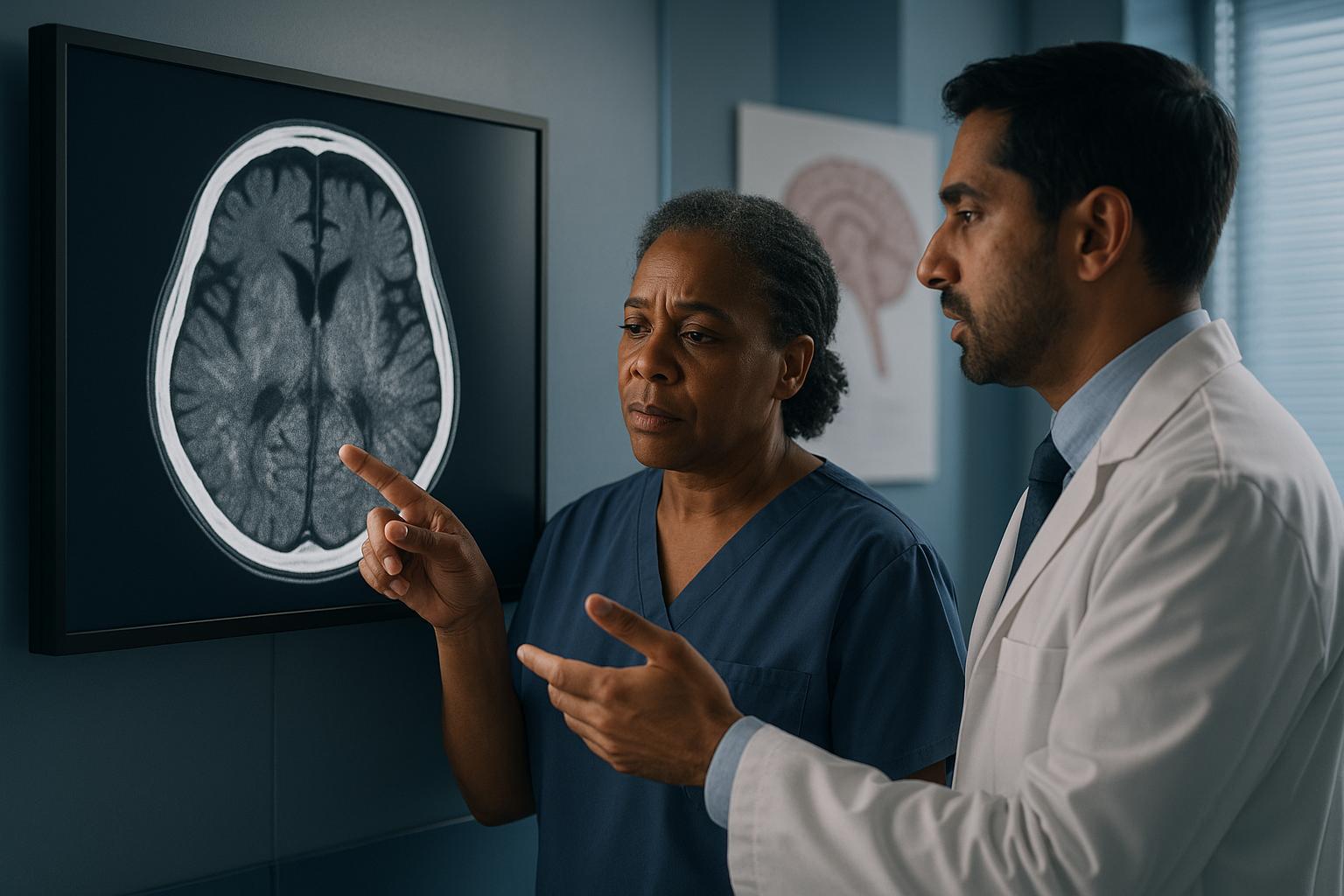
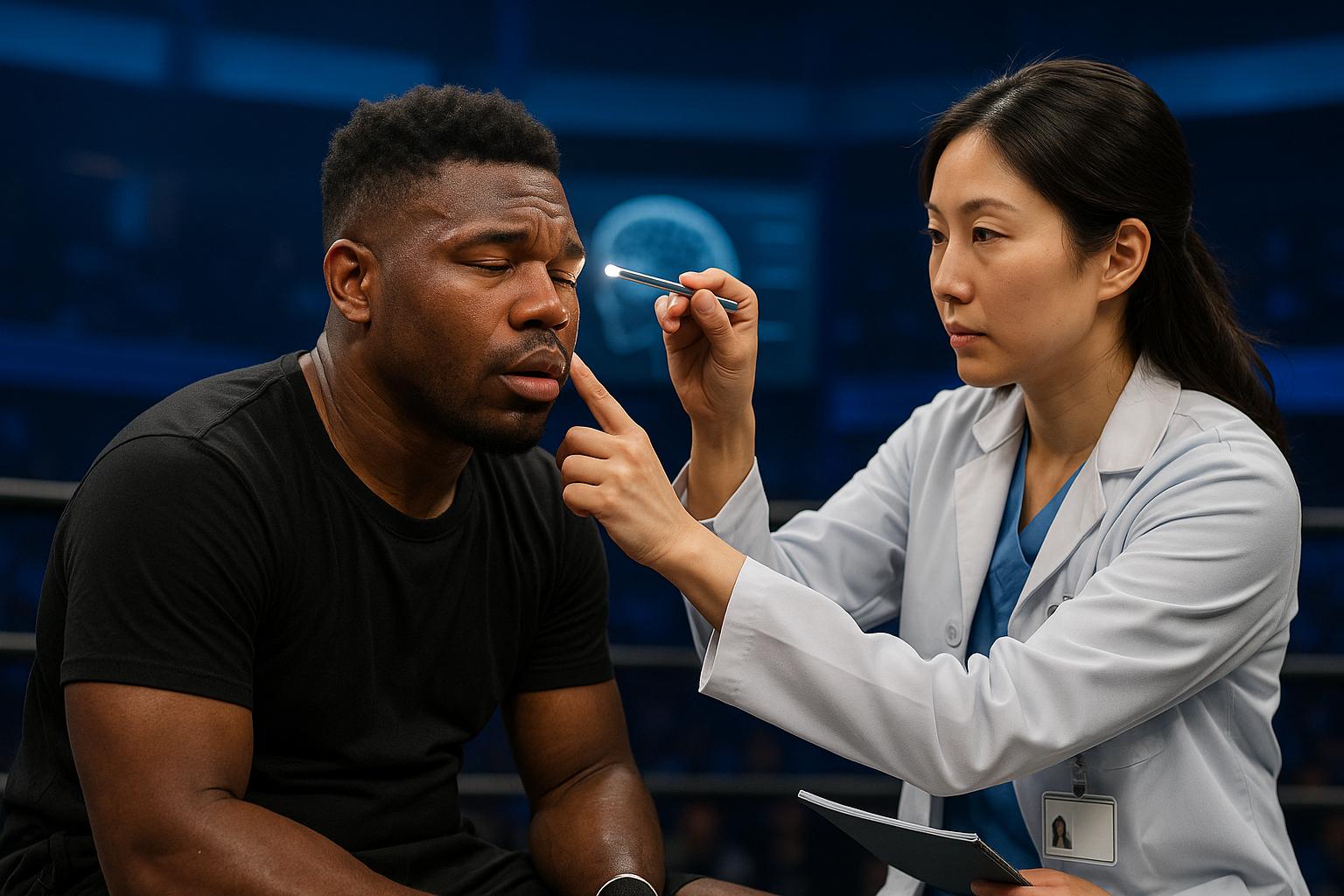
Domestic Violence Traumatic Brain Injury: Medical Evaluation and Legal Documentation for Attorneys
By Dr Ellia Ciammaichella, DO, JD, Triple Board-Certified in PM&R, SCI Medicine, and Brain Injury Medicine
Quick Insights
Domestic violence traumatic brain injury Reno typically results from blows or strangulation, disrupting brain function. Studies suggest even mild injuries can cause lasting symptoms—accurate medical evaluation and legal documentation are key for case outcomes.
Key Takeaways
- The diagnosis and prognosis of multiple TBIs, particularly from abuse, can be complex and may require specialized evaluation to ensure accurate assessment.
- The prognosis of TBIs may include risks of depression and PTSD, which can influence the assessment of damages in legal cases.
- Documentation requirements for TBIs may vary across different states, including Texas.
- Multistate coverage, including Nevada and California, may provide access to expert opinions for complex cases.
Why It Matters
For attorneys, understanding domestic violence traumatic brain injury is crucial—missed details can affect liability, standard of care, and damages. Research indicates expert clarity is essential for accurately linking medical findings to legal strategy, addressing your need for defensible, objective reports.
Introduction
As a physician with dual credentials as a DO/JD, I approach domestic violence and traumatic brain injury with a uniquely comprehensive perspective.
Domestic violence traumatic brain injury is an injury to the brain caused by physical violence—such as blows to the head or strangulation—within an intimate relationship. Clinically, it disrupts brain function and can result in cognitive, emotional, and physical impairments; for attorneys and their clients, it is a pivotal factor in both medical care and legal proceedings, influencing causation, damages, and liability.
Approximately 30% of women will experience intimate partner violence in their lifetime, with many sustaining traumatic brain injuries that are frequently underdiagnosed and underdocumented. Research demonstrates that these injuries often have lasting consequences for cognitive and psychological health, making precise evaluation and documentation essential for fair legal outcomes.
Understanding how medical evidence links to legal damages is critical—a thorough, objective analysis benefits both plaintiffs and defendants in these complex cases.
What is Traumatic Brain Injury in Domestic Violence Cases?
Traumatic brain injury (TBI) in the context of domestic violence refers to any injury that disrupts brain function due to physical force—commonly from blows to the head or non-fatal strangulation—within an intimate relationship. In my dual role as a physician and legal consultant, I have seen that these injuries are often underrecognized, particularly when symptoms are subtle or attributed to psychological distress.
Unique Challenges in DV-Related TBI
Domestic violence-related TBI presents unique complexities. Survivors may experience repeated injuries over time, compounding neurological damage. Non-fatal strangulation, a frequent mechanism, can cause hypoxic brain injury even without external signs.
Research demonstrates that women survivors of intimate partner violence are at increased risk for both TBI and brain alterations, especially when strangulation is involved, which complicates both diagnosis and prognosis.
Comprehensive assessments, including detailed functional evaluations, are important for accurately delineating damages in legal proceedings involving spinal cord and brain injuries. The intersection of physical trauma and psychological abuse can lead to complex clinical presentations that may be misattributed to mental health disorders alone, potentially delaying appropriate intervention.
Common Symptoms and Presentation
The clinical presentation of DV-related TBI is broad, including:
- Headache, dizziness, and memory loss
- Difficulty concentrating or processing information
- Emotional lability, irritability, and sleep disturbances
These symptoms may overlap with post-traumatic stress disorder (PTSD) or depression, making it essential to conduct a thorough evaluation. Studies confirm that even mild TBI can result in persistent cognitive and psychological symptoms.
Subtle symptoms—such as changes in executive function or emotional regulation—in domestic violence survivors may not be immediately recognized as indicators of brain injury, particularly when the individual is also experiencing ongoing psychological abuse. Targeted questioning and specialized assessments may be important for reliably identifying TBIs in domestic violence survivors.
When to Seek Medical Attention
If a survivor of domestic violence experiences loss of consciousness, repeated vomiting, or sudden confusion, it is critical to seek immediate evaluation by a physician.
Early identification and documentation of TBIs may be important, as delayed recognition can potentially impact both medical outcomes and legal proceedings.
How Does Prognosis Affect Damages and Legal Strategy?
The prognosis of a domestic violence traumatic brain injury directly influences the calculation of damages and the formulation of a legal strategy. As a dual-degreed expert, I am frequently asked to clarify how long-term outcomes affect both economic and non-economic damages in litigation.
Key Research Findings
Recent studies indicate that survivors of intimate partner violence with TBI are at heightened risk for ongoing depression, anxiety, and PTSD, which can persist for years, as documented in NIH research. These psychiatric comorbidities often complicate recovery and may increase the projected cost of care and lost earning capacity.
I have observed that the presence of persistent neuropsychiatric symptoms often leads to higher damage awards, especially when supported by objective medical evidence. From my unique perspective with both medical and legal training, I can translate complex medical findings into precise documentation that clearly establishes functional limitations for both plaintiff and defence teams.
Common Prognostic Pitfalls for Attorneys
Attorneys frequently underestimate the impact of repeated mild TBIs or fail to account for the cumulative effect of multiple exposures. Prognostic errors may include:
- Overlooking delayed-onset symptoms
- Failing to document psychiatric sequelae
- Ignoring the influence of social determinants of health
Research highlights that social and economic factors can significantly alter recovery trajectories, affecting both prognosis and the quantification of damages.
Having worked with hundreds of spinal cord injury cases, I’ve found that accurate functional assessment and documentation are equally valuable for plaintiffs seeking fair compensation and defendants requiring objective analysis. Clarifying prognosis with both medical and psychosocial insight provides attorneys with the evidence needed for effective and fair settlement negotiation.
In my consulting work, I emphasize the necessity of integrating both medical and psychosocial data to provide a defensible prognosis for legal purposes.
If you require medical assessment and legal analysis services tailored for domestic violence, traumatic brain injury and other complex cases, my expertise as an expert witness spans both disciplines to support robust legal outcomes.
Evaluating DV-Related TBI: What Attorneys Need to Know
A meticulous evaluation is essential for establishing causation, standard of care, and the extent of injury in domestic violence traumatic brain injury cases. My approach combines clinical acumen with legal insight to ensure that all relevant factors are considered.
Best Practices in TBI Evaluation
Effective evaluation should include:
- Detailed history of all head injuries and episodes of strangulation
- Comprehensive neurological and cognitive assessment
- Review of prior medical records and imaging
Research demonstrates that most service-seeking survivors have experienced multiple exposures, necessitating a thorough and systematic approach to assessment.
While some medical experts focus solely on diagnosis, my approach emphasizes comprehensive functional assessment that provides all parties—physicians, attorneys, and litigants—with clear, accessible documentation of impairments. In my experience, a structured evaluation protocol not only clarifies the medical facts but also strengthens the legal argument for causation.
Documenting Causation & Standard of Care
Precise documentation is critical. Attorneys should ensure that:
- The mechanism of injury is clearly described
- All symptoms and functional impairments are recorded
- The standard of care is addressed in the context of both acute and long-term management
Best practice for attorneys is to secure medical documentation that links the injury mechanism to the observed deficits, especially in cases involving repeated trauma.
My dual perspective as both a physician and legal consultant uniquely positions me to identify gaps in medical records that could undermine or strengthen a case. I routinely provide comprehensive case reviews, analyzing medical records and offering expert opinions on causation, standard of care, and prognosis, which are essential for robust legal arguments.
Rehabilitation, Cognitive Therapy & Recovery Considerations
Rehabilitation for domestic violence traumatic brain injury requires a multidisciplinary approach, often involving physical, cognitive therapy, and psychological therapies. In my practice, I have found that tailored interventions yield the best outcomes for survivors.
Multidisciplinary Rehabilitation Approaches
A team-based model is standard, incorporating:
- Physical therapy for motor deficits
- Occupational therapy for daily functioning
- Speech-language therapy for communication and cognitive skills
A recent scoping review found that rehabilitation programs specifically designed for survivors of violence-related TBI are limited but growing, with multidisciplinary teams delivering care in both inpatient and community settings.
In my experience managing neurorehabilitation for complex injuries, I’ve found that true functional recovery is closely tied to addressing the unique psychosocial and cultural context of each survivor. Addressing social determinants—such as transportation and literacy barriers—is crucial for successful rehabilitation.
Cognitive Therapy: Evidence and Outcomes
Cognitive therapy is a cornerstone of recovery, targeting memory, attention, and executive function deficits. Evidence suggests that survivors benefit from individualised cognitive rehabilitation, though access remains a challenge.
In my experience, early initiation of cognitive therapy can mitigate long-term disability and improve quality of life, especially when integrated with psychological support. Notably, I also work closely with attorneys to ensure that rehabilitation recommendations are thoroughly explained in my expert reports, directly linking the medical treatment to projected damages—a critical step in supporting accurate settlement or trial outcomes.
Assessing Damages: Linking Prognosis to Legal Outcomes
Translating medical findings into legal arguments requires a nuanced understanding of both clinical and legal standards. My dual expertise allows me to bridge this gap, providing objective analysis that supports fair damage assessments.
Translating Medical Findings to Legal Arguments
Attorneys must connect documented impairments to specific categories of damages, such as:
- Medical expenses (past and future)
- Lost wages and earning capacity
- Pain, suffering, and loss of consortium
National data reveal that disparities in TBI outcomes—particularly among racial and ethnic minorities—can influence both access to care and long-term prognosis, which should be considered in damage calculations according to the CDC.
From my dual-degreed perspective, I ensure that my reports clearly delineate the causal relationship between the injury and the claimed damages, supporting both plaintiff and defense positions with equal rigour.
Expert Testimony: What Sets a Strong Report Apart
A strong expert report is:
- Objective and evidence-based
- Thorough in its review of medical and psychosocial factors
- Clear in its explanation of causation and prognosis
Research underscores the importance of integrating both clinical findings and social context to produce defensible, high-quality expert opinions.
In my practice, I believe what distinguishes my expert analysis is the seamless integration of medical, functional, and legal concepts. My reports are designed to withstand scrutiny in both deposition and trial, providing attorneys with the clarity needed for effective advocacy.
My Approach to Patient Care and Expert Evaluation
As a physician with dual credentials in medicine and law, I recognize that every case of domestic violence traumatic brain injury demands both clinical precision and legal clarity. My approach is grounded in a commitment to thorough, objective evaluation—ensuring that each assessment stands up to scrutiny in both medical and legal contexts.
In my practice, I emphasize the importance of detailed functional assessment, not just diagnosis. This means I carefully document the mechanism of injury, the full spectrum of symptoms, and the impact on daily life, always considering the unique psychosocial context of each individual. My triple board certification in Physical Medicine & Rehabilitation, Spinal Cord Injury Medicine, and Brain Injury Medicine allows me to provide nuanced insights that are critical for accurate damage assessment.
I also prioritize clear, accessible communication in my expert reports, translating complex medical findings into actionable information for attorneys, claims adjusters, and litigants. My experience spans hundreds of cases across multiple states, supporting both plaintiffs and defendants with evidence-based, defensible opinions.
Ultimately, my goal is to ensure that every evaluation I provide supports fair outcomes—whether in medical recovery or legal proceedings—by integrating the highest standards of care with a deep understanding of the legal landscape.
Domestic Violence Traumatic Brain Injury Expertise in Reno
As a physician based in Reno, I am acutely aware of the unique challenges and resources available to those affected by domestic violence and traumatic brain injury in this region. The Reno area, with its diverse population and evolving healthcare infrastructure, presents specific considerations for both medical management and legal evaluation of these complex cases.
Local factors such as access to specialized rehabilitation services, regional support networks, and the prevalence of intimate partner violence can influence both the identification and recovery trajectory of traumatic brain injuries.
My practice serves as a hub for comprehensive assessment and expert consultation, offering in-person evaluations in Reno and telemedicine services across Nevada and additional licensed states, including Texas, California, and beyond.
Attorneys, physicians, and litigants in Reno benefit from my dual medical-legal expertise, which ensures that both clinical and legal standards are met in every evaluation. I am committed to supporting the local community while providing nationally recognized expertise in damage assessment and expert witness testimony.
If you are seeking a thorough, objective evaluation for a domestic violence traumatic brain injury case in Reno or require expert consultation across state lines, I invite you to discuss your case and schedule a consultation.
Conclusion
Domestic violence traumatic brain injury is a disruption of brain function caused by physical violence—often through blows or strangulation—within an intimate relationship. In summary, these injuries present complex medical and legal challenges, requiring precise evaluation, comprehensive documentation, and a nuanced understanding of both prognosis and damages.
My dual qualifications as a physician and attorney enable me to deliver objective, defensible assessments that clarify causation, standard of care, and long-term outcomes for both litigants and legal professionals.
Based in Reno, I provide specialized services across multiple states, including Texas, California, and Colorado, through both telemedicine and in-person consultations. I am willing to travel as an expert witness, ensuring that individuals with complex cases receive the highest standard of care and legal clarity, regardless of location.
I invite you to schedule a consultation TODAY to optimize your medical recovery and secure robust legal documentation. Prompt action supports better outcomes and peace of mind during challenging times. My unique dual expertise ensures that every evaluation stands up to scrutiny in both medical and legal arenas.
This article is for educational purposes only and should not be used as a substitute for professional medical advice, diagnosis, or treatment. Always seek the advice of your physician or other qualified healthcare provider with any questions you may have regarding a medical condition or treatment options. Never disregard professional medical advice or delay in seeking it because of something you have read in this article.
Frequently Asked Questions
What is domestic violence, traumatic brain injury, and why is it significant in legal cases?
Domestic violence traumatic brain injury refers to brain dysfunction resulting from physical violence, such as blows or strangulation, within an intimate relationship. This injury is significant in legal cases because it often leads to lasting cognitive and psychological symptoms, making accurate medical evaluation and documentation essential for determining causation, damages, and liability in litigation.
How can I access your expertise if I am not located in Reno?
You can access my domestic violence and traumatic brain injury expertise through telemedicine consultations in all states where I am licensed, including Texas, California, and Colorado. I also travel for in-person evaluations and expert witness testimony, ensuring that individuals and attorneys nationwide benefit from my specialized assessments and comprehensive reports.
How does your dual medical and legal background benefit attorneys handling DV-TBI cases?
My dual background as a physician and attorney allows me to bridge complex medical findings with legal standards. I provide objective, evidence-based reports that clarify causation, prognosis, and damages, supporting both plaintiff and defense strategies. This approach ensures that all relevant medical and legal factors are addressed, strengthening the foundation for fair and defensible case outcomes.
About the Author
Dr. Ellia Ciammaichella, DO, JD, is a triple board-certified physician specializing in Physical Medicine & Rehabilitation, Spinal Cord Injury Medicine, and Brain Injury Medicine. With dual degrees in medicine and law, she offers a rare, multidisciplinary perspective that bridges clinical care and medico-legal expertise. Dr. Ciammaichella helps individuals recover from spinal cord injuries, traumatic brain injuries, and strokes—supporting not just physical rehabilitation but also the emotional and cognitive challenges of life after neurological trauma. As a respected independent medical examiner (IME) and expert witness, she is known for thorough, ethical evaluations and clear, courtroom-ready testimony. Through her writing, she advocates for patient-centered care, disability equity, and informed decision-making in both medical and legal settings.
Medical Expert Services
Dr. Ciammaichella provides expert medical consulting for attorneys handling complex injury cases: