What Does It Mean to Be a Traumatic Brain Injury Survivor?
By Dr. Ellia Ciammaichella, DO, JD, Triple Board-Certified in Physical Medicine & Rehabilitation, Spinal Cord Injury, and Brain Injury Medicine
Quick Insights
A traumatic brain injury survivor is an individual who continues to live after experiencing a brain injury caused by impacts such as falls, crashes, or violence. This condition disrupts brain function, often leading to lasting cognitive and emotional challenges. Immediate medical care is essential, and the effects may include lifelong physical, psychological, and legal concerns.
Key Takeaways
- A significant portion experience a TBI in their lifetime, making this a common and serious health issue.
- Survivors are at significantly higher risk for neurodegenerative conditions like dementia and ongoing mental health struggles.
- Early, multidisciplinary rehabilitation, including therapies and peer support, can greatly improve recovery outcomes for TBI survivors.
- Emotional distress and isolation are common but can be lessened through dedicated support networks and evidence-based coping strategies.
Why It Matters
Understanding what it means to be a traumatic brain injury survivor is crucial for reclaiming control over life, building support, and protecting your legal rights. Knowledge empowers survivors and families to seek care, plan for long-term needs, and reduce the sense of isolation following serious injury.
Introduction
As a board-certified physician, I understand that the label “traumatic brain injury survivor” goes far beyond simply living through an injury. If you want to learn more about my dual qualifications as a physician and attorney (DO/JD), you can read about my background and approach on my professional bio page.
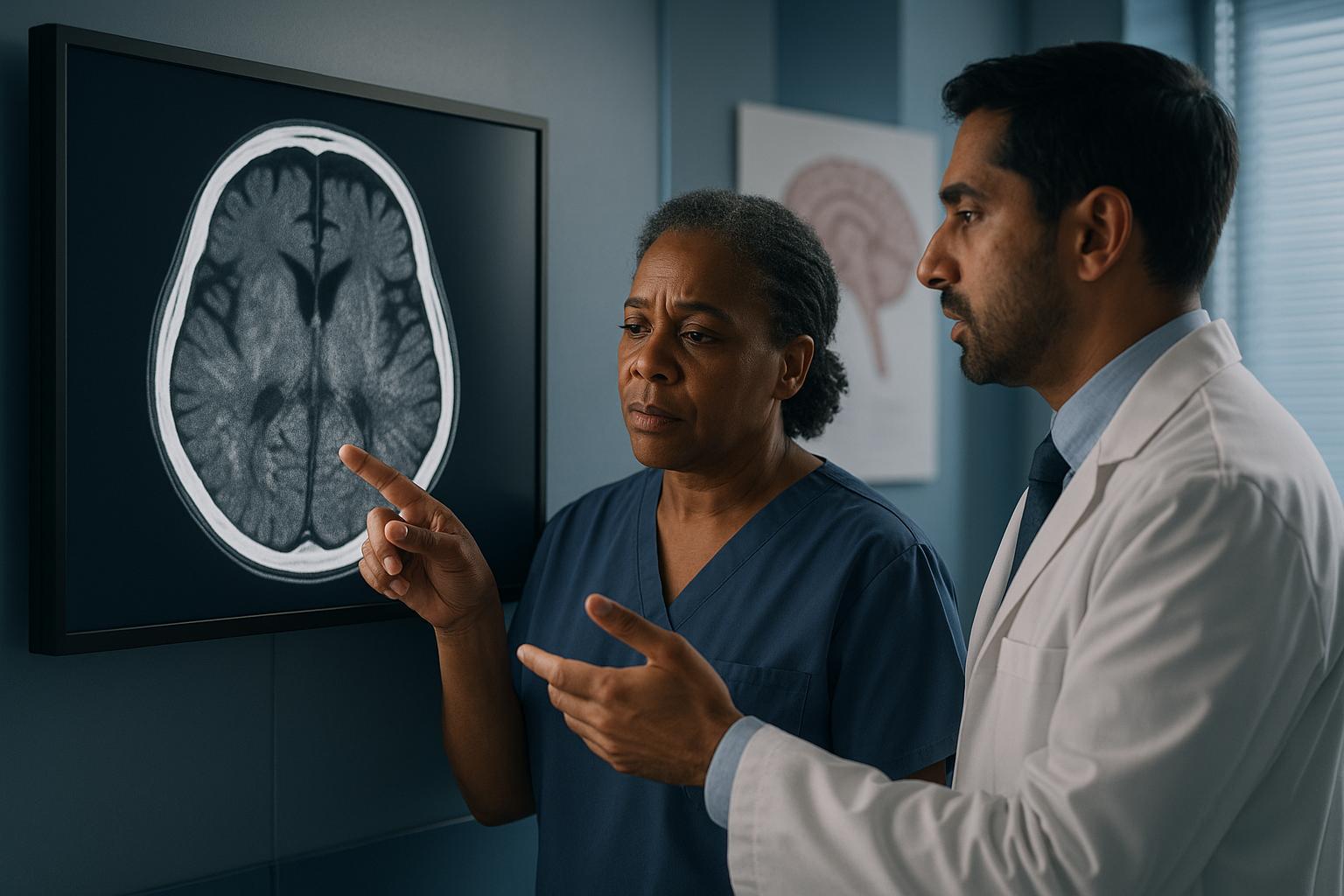
A traumatic brain injury survivor is an individual who continues to experience changes in memory, thinking, emotions, and daily function after sustaining trauma to the brain. What is a traumatic brain injury survivor? Clinically, this refers to someone adapting each day to challenges caused by a disruption of normal brain activity—whether from a fall, accident, or assault. For survivors and families, it means navigating new realities, uncertainty, and hope for ongoing recovery.
Modern medical understanding now recognizes TBI as a chronic health condition, with impacts that can last a lifetime. Recent scientific research emphasizes this chronicity and the importance of comprehensive, continuous care to manage both long-term cognitive and emotional changes.
You’re not alone—support, recovery, and connection remain possible at any stage of your journey as a TBI survivor.
Understanding Life After Traumatic Brain Injury
Life as a traumatic brain injury survivor means adapting to changes that can affect every part of your day. I see firsthand how these changes are not just physical, but also emotional and social. TBI is now recognized as a chronic condition, not just a one-time event. This means ongoing care and support are essential for long-term well-being.
TBI as a Chronic Condition
A traumatic brain injury (TBI) is more than an isolated incident—it’s a lifelong health concern. Research shows that nearly 50% of people worldwide will experience a TBI at some point, making it one of the most common neurological conditions globally. Survivors often face ongoing challenges that require continuous management and support throughout their lives. Recent studies highlight the global prevalence and chronic nature of TBI.
In my practice, I emphasize to survivors and families that recovery is a journey, not a destination. Adjusting expectations and planning for long-term care can make a significant difference in quality of life.
From my perspective as a triple board-certified physiatrist with legal expertise, I recognize how a detailed, ongoing assessment of functional abilities is vital—not just for rehabilitation, but also for accurate documentation in workplace, disability, or legal contexts.
Long-term Health Risks
Surviving a TBI increases the risk of developing other health problems over time. For example, 15–30% of survivors develop chronic neurodegeneration, and the risk of dementia may be higher than in people without a TBI history. Evidence links TBI to long-term neurodegenerative conditions.
Having evaluated hundreds of individuals dealing with the long-term effects of TBI, I’m acutely aware that subtle new symptoms—such as changes in mood, thinking speed, or memory—can signal evolving risks like neurodegeneration or dementia. This underscores the importance of continuous monitoring and timely referrals to appropriate specialists.
I always advise regular check-ins with your physician to monitor for new symptoms, as early intervention can help manage these risks.
When to Seek Medical Attention
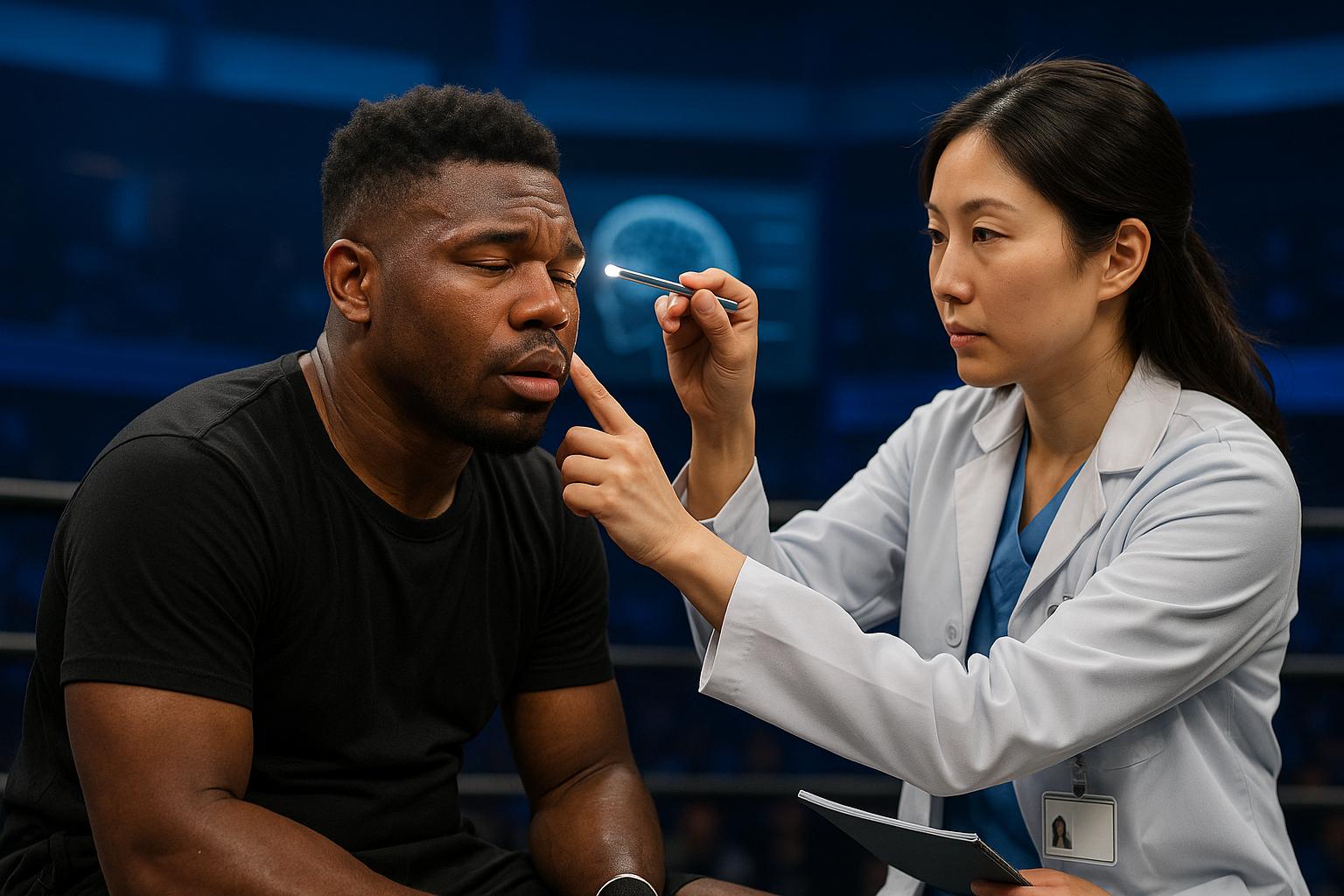
If you experience sudden confusion, severe headache, or loss of consciousness after a TBI, contact a physician immediately. These symptoms may signal a serious complication that needs urgent care.
Common Cognitive and Emotional Challenges
As a traumatic brain injury survivor, you may notice changes in how you think, remember, or feel. These challenges are common and can affect your daily life, relationships, and sense of self. I often reassure survivors that these symptoms are a normal part of recovery and can improve with the right support.
Research confirms that cognitive and emotional difficulties are widespread among TBI survivors.
Memory, Attention, and Executive Function
Problems with memory, attention, and executive function (planning, organizing, and decision-making) are frequent after TBI. You might find it harder to remember appointments, focus on tasks, or manage daily routines. These issues can be frustrating, but targeted strategies—like using reminders or breaking tasks into steps—can help.
In my experience, structured routines and simple tools like calendars or alarms make a real difference for many survivors. While some practitioners concentrate strictly on diagnosis, my approach focuses on functional capabilities—such as the ability to manage finances or return to work—which allows me to tailor rehabilitation plans and help clarify the real-life impact of cognitive challenges for both survivors and, when relevant, legal professionals.
Emotional and Behavioral Changes
Emotional changes such as irritability, anxiety, depression, or mood swings are also common. Some survivors notice increased impulsivity or difficulty controlling emotions. These changes can strain relationships and lead to feelings of isolation.
I encourage open communication with loved ones and mental health professionals, as support and therapy can ease these challenges. From my unique perspective with both medical and legal training, I can translate these complex invisible symptoms into clear documentation—not just for healthcare teams, but also for guiding workplace or legal accommodations when appropriate.
Effective Strategies for Coping and Recovery
How can TBI survivors cope with lasting challenges?
TBI survivors can manage ongoing symptoms by combining structured routines, emotional support, and evidence-based therapies. Key steps include:
- Cognitive rehabilitation to improve thinking and memory
- Emotional regulation techniques for mood and stress
- Peer and group support to reduce isolation
- Regular follow-up with a physician for ongoing care
Cognitive Rehabilitation
Cognitive rehabilitation involves exercises and therapies designed to restore or compensate for thinking and memory problems. This may include practicing attention tasks, using memory aids, or working with a specialist. Multidisciplinary rehabilitation programs have been shown to improve cognitive and emotional outcomes.
I’ve seen that early and consistent participation in these programs leads to better recovery and greater independence. In my 15+ years of practice evaluating individuals with spinal cord and brain injuries, I’ve found that detailed functional assessment, beyond basic diagnosis, is essential for accurately delineating damages—even in legal contexts.
This level of evaluation ensures therapies are truly customized and progress can be tracked in a way that’s meaningful for your everyday life.
Emotional Regulation Techniques
Managing emotions after TBI is challenging, but techniques like cognitive-behavioral therapy (CBT), mindfulness, and relaxation exercises can help. Behavioral therapies are supported by strong evidence for improving emotional health in TBI survivors.
Based on treating hundreds of patients with traumatic brain injuries, I’ve noticed that those who consistently use emotional regulation strategies not only experience fewer mood swings but also report improved confidence and stronger relationships. These methods can be started at home and adjusted as you progress.
Peer and Group Support
Connecting with others who have experienced TBI can provide understanding and encouragement. Peer mentoring, group therapy, and online communities offer a safe space to share experiences and coping strategies. Peer support is linked to improved emotional well-being and reduced feelings of isolation.
In my practice, I’ve witnessed the powerful impact of peer support in helping survivors regain confidence and hope. The sense of belonging in these groups can be especially crucial for those who feel misunderstood by friends or colleagues. For litigants navigating workplace or legal challenges, peer networks also offer valuable insights about resources, rights, and advocacy.
Support Networks and Resources for Survivors
Building a strong support network is vital for recovery. Family, friends, and advocacy groups can offer practical help and emotional encouragement. Research highlights the importance of social and family support in improving outcomes for TBI survivors.
Having worked with both survivors and their families, I know that the involvement of loved ones can bridge the gap between medical recommendations and what actually happens in daily life. Whether you are coordinating therapies, seeking accommodations at work or school, or exploring legal options, family support plays a fundamental—sometimes overlooked—role.
Family and Social Support
Family members often play a key role in daily care and motivation. Open communication and shared problem-solving can strengthen these relationships. I encourage families to seek education about TBI and to participate in support groups when possible.
Patient Advocacy Groups
National and local advocacy organizations provide resources, education, and opportunities to connect with others. These groups can help you find rehabilitation programs, legal advice, and financial assistance.
I recommend exploring reputable organizations for up-to-date information and community support. From my perspective as someone who works equally with medical and legal professionals, I’ve found that advocacy groups can help survivors access both health and legal resources they might not otherwise discover.
Local and National Care: Accessing Help
Access to care varies, but help is available both locally and nationwide. Telemedicine and virtual services have expanded options for TBI survivors, making it easier to connect with specialists regardless of location. However, disparities in access remain, especially for minority and low-income survivors.
I advise exploring both in-person and virtual care options to find the best fit for your needs. With my experience navigating multi-state healthcare systems, I know that even if local resources are limited, national networks, telehealth, and multidisciplinary teams can offer comprehensive support wherever you are.
Telemedicine Options
Telemedicine allows you to consult with TBI specialists from home, reducing travel and wait times. Many rehabilitation and mental health services now offer virtual appointments, making ongoing care more accessible.
Multistate and Nationwide Services
National organizations and networks can connect you to resources, regardless of where you live. These services include virtual support groups, online education, and referrals to accredited rehabilitation centers. Long-term rehabilitation is linked to better functional outcomes for many survivors.
I encourage you to reach out to these networks to ensure you receive comprehensive, evidence-based care. While some facilities may focus on short-term recovery, my approach stresses the importance of long-term connections to expert resources—helping you pursue the highest possible quality of life, no matter your geographic circumstances.
My Approach to Patient Care
As a board-certified physician with extensive experience in both medical and legal aspects of traumatic brain injury, I believe that every survivor deserves care that is both evidence-based and deeply personalized.
My approach centers on understanding the unique challenges each individual faces after a traumatic brain injury. I draw on the latest research, my years of clinical practice, and my dual training in medicine and law to ensure that survivors receive comprehensive support—whether for rehabilitation, daily function, or navigating complex legal situations.
I am committed to ongoing education, multidisciplinary collaboration, and clear communication with both survivors and their families. This means not only addressing medical needs, but also helping clarify functional abilities for the workplace, disability, or legal documentation.
If you are interested in comprehensive evaluations that integrate medical assessment and legal applications, I encourage you to explore my medical-legal services for traumatic brain injury cases.
By focusing on both the science and the lived experience of traumatic brain injury survivors, I strive to empower each person to reclaim as much independence and quality of life as possible.
Traumatic Brain Injury Survivor Support in Reno
Living as a traumatic brain injury survivor in Reno brings unique opportunities and challenges. The local healthcare landscape offers access to specialized rehabilitation centers, community support groups, and legal resources that can make a real difference in recovery.
In my practice based in Reno, I provide both in-person and telemedicine consultations, allowing survivors and litigants to access expert care and damage assessment services regardless of their mobility or location. The climate, local industries, and community resources in Reno can all influence the types of injuries seen and the support systems available.
I also work closely with local physicians, attorneys, and claims professionals to ensure that both medical and legal needs are addressed thoroughly. Whether you are seeking ongoing rehabilitation, a functional assessment for workplace accommodations, or expert analysis for a legal case, my Reno-based practice serves as a hub for comprehensive support.
If you or someone you know in Reno is navigating life after a traumatic brain injury, I invite you to reach out for a consultation or to connect with local and national support resources tailored to your needs.
Conclusion
As a traumatic brain injury survivor, you face ongoing challenges that affect both your health and your legal rights. In summary, living with TBI means adapting to cognitive and emotional changes, seeking continuous medical care, and understanding the long-term risks such as neurodegeneration. Many survivors regain meaningful function after dedicated rehabilitation, and research shows that long-term rehabilitation can lead to significant improvements in daily life.
My dual expertise in medicine and law allows me to provide comprehensive support—ensuring your medical recovery is fully documented and your legal needs are addressed with clarity. Proper care and thorough documentation are essential for both optimal health outcomes and strong legal cases.
Based in Reno, I provide specialized services across multiple states, including Texas, California, and Colorado, offering both telemedicine and in-person consultations. I am also willing to travel as an expert witness, which benefits those with complex cases requiring coordinated care and expert analysis.
I invite you to schedule a consultation TODAY to optimize your recovery and secure the documentation you need for legal protection. Acting promptly can make a real difference in both your health and your peace of mind during this challenging time.
This article is for educational purposes only and should not be used as a substitute for professional medical advice, diagnosis, or treatment. Always seek the advice of your physician or other qualified healthcare provider with any questions you may have regarding a medical condition or treatment options. Never disregard professional medical advice or delay in seeking it because of something you have read in this article.
Frequently Asked Questions
What does it mean to be a traumatic brain injury survivor?
A traumatic brain injury survivor is someone who continues to live and adapt after experiencing a brain injury, often facing lasting changes in memory, thinking, and emotions. Survivors may require ongoing medical care and support, as recovery is a long-term process that can involve both physical and psychological adjustments.
How can I access your expertise if I’m not located in Reno?
You can access my traumatic brain injury expertise through telemedicine consultations, which are available to individuals in Texas, California, Colorado, and other states. I also offer in-person evaluations and am willing to travel for complex cases or expert witness needs, ensuring you receive specialized care and thorough documentation wherever you are.
How does medical documentation impact my legal case after a TBI?
Accurate and detailed medical documentation is crucial for legal cases involving traumatic brain injury. It helps clarify the extent of your injuries, supports claims for damages, and provides objective evidence for attorneys and courts. My combined medical and legal background ensures your records are comprehensive and understandable for all parties involved.
About the Author
Dr. Ellia Ciammaichella, DO, JD, is a triple board-certified physician specializing in Physical Medicine & Rehabilitation, Spinal Cord Injury Medicine, and Brain Injury Medicine. With dual degrees in medicine and law, she offers a rare, multidisciplinary perspective that bridges clinical care and medico-legal expertise. Dr. Ciammaichella helps individuals recover from spinal cord injuries, traumatic brain injuries, and strokes—supporting not just physical rehabilitation but also the emotional and cognitive challenges of life after neurological trauma. As a respected independent medical examiner (IME) and expert witness, she is known for thorough, ethical evaluations and clear, courtroom-ready testimony. Through her writing, she advocates for patient-centered care, disability equity, and informed decision-making in both medical and legal settings.
Medical Expert Services
Dr. Ciammaichella provides expert medical consulting for attorneys handling complex injury cases: